
Episode 17 · Season 1
Uma incessante busca pela Excelência
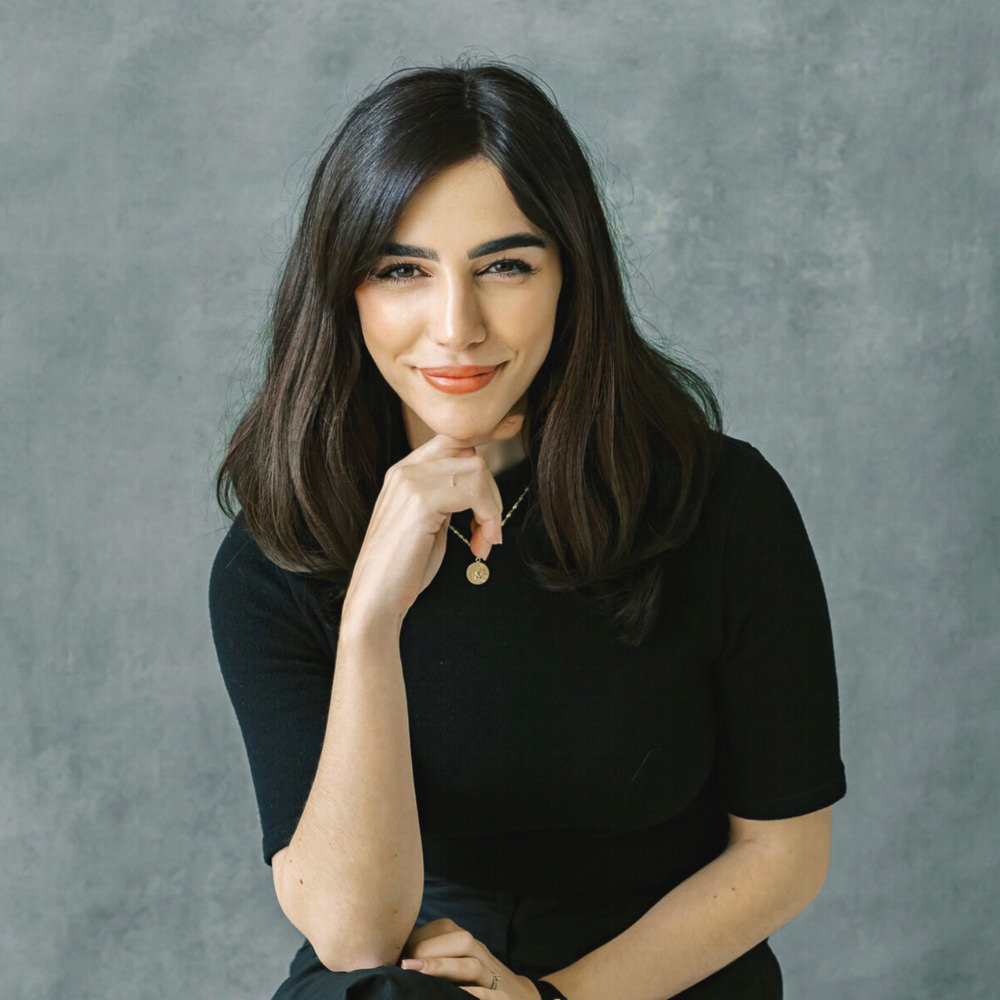
Sofia Nascimento PlanningSofia Nascimento Studios
transcript + show
episode: 17 title: "Ep. 17 - Uma incessante busca pela Excelência, com Sofia Nascimento" pub_date: "Mon, 22 Jul 2024 05:00:00 +0000" original_language: english source_audio: "34f15810.mp3"
Hello, welcome. I'm Rui and this is the The Wack Podcast. Hello Sofia, good morning. Hello, good morning. I really have a great pleasure to have you here today. And let me tell you that in the first list of guests I made for the podcast yours was one of the first names I had there. And that's why I'm very excited to have you here today with me. And the thing is, I've been following your weddings for some time and while your wedding was something absolutely indescribable so beautiful, I was excited because I realized that you achieved something that is not very usual. Which is, everyone I talked to, everyone I talked to is totally unanimous in saying not only that you are a dear one, but you are an incredible professional. That's why we haven't had the opportunity to work together yet. But when I have people with the greatest consideration who only have the best compliments for you and for your work I can only be very happy and very excited with your presence here and with what you have to share. So, thank you very much for accepting my invitation. Thank you for the invitation. Let's start from the beginning. Do you start weddings in 2014 even with My Fancy Wedding? Or did you already have some experience before that? So, it's a long story, actually. That is, I actually was born a little in this environment. Not directly in weddings, I mean, in a way, yes. But this already comes from family, in a way. That is, my grandfather had a restaurant and a space for events. So, we like to say that we grew up a little bit in the middle of the pots and pans, right? So, it was literally this. That is, our recreation was my grandfather's work space. My mother also followed this project and it was something she grew up doing and loved. So, we ended up having access to this event environment, event preparation, restaurant logistics, and so on, from a very young age. With its advantages and disadvantages, right? Everything that comes with it. The disadvantage is that I can't see them cooked in front of me and be the one treating them because of that, right? But it has many advantages. So, deep down, this all started through my grandfather and my mother, right? And consequently, my father, at 16, decided to join this project to be able to learn as much as possible from my grandfather because he loved the area. And later on, he opened his own space for events. Which here was already a little bit more on the path that, in a way... This is, deep down, a reproduction of what happened to me. Which is ironic, now that I'm realizing this. That my father ended up wanting to create a space for himself, a little more exclusive, to be able to choose a little more the client he had, right? That is, while on the side of my grandfather and my mother there was a lot of space and there was a lot of... A search for the best price, right? Even though with a lot of quality. And it was a restaurant that effectively had people moving from Algarve to Lisbon to have lunch there on Sundays. That is, it had a lot of weight. My father wanted something a little bit different. He really wanted to bring innovation, to do more exclusive things, for the time, right? Of course. And so, it was a little more visionary in that sense. Between this, right? And between doors and crossings, my parents ended up getting divorced. And so, there ended up being this time at my mother's house, right? Which was a restaurant and a space for events and large groups, up to a thousand people. And in my father's house, then, there was the part of the weddings and there was also the restaurant, but it wasn't all his focus. And I helped from one side and the other, right? So, there was no being at home on the weekend. There was being in the kitchen, in the hallway, seeing all the staff running from one side to the other, seeing the assemblies on Thursday, on Friday, right? And the events then taking place on Saturday and cleaning on Sunday, or another event, right? So, that was a little bit where I grew up and it ends up being very natural, right? So, we play around here in the studio because nowadays we do weekends, right? We try to have weekends for us and for our family and we play around that, really, it's my team that reminds me of the weekends because I'm not used to the weekend, right? That is, the weekend for my father, for my mother, for my grandfather, for my whole family, basically, was the day when there was more work, right? And the weekend, so... It was even a process of breaking up, right? From that culture to another moment. And so, I started... I don't know exactly when I started, that's why, but from the age of nine, I actually started to help, right? And at 10, 11 years old, I did the children's animation with the kids at weddings, because we always had horses and it was a passion and a very strong thing for us too. And we did... I did the children's animation with my oldest sister, we did it... At 9, 10 years old, I would go with my oldest sister and we would pick up the grooms from Charrete, so it was something that we hated, right? Deeply, because it was... And it's one in the afternoon, like this, at sunset, while my brother's friends were at the beach, right? I invited them to join them and we had other plans every Saturday. So, it was... It was a love-hate relationship, right? With this industry, with this world, in which there wasn't necessarily a choice in that phase, but at the same time, there was a natural evolution for being in this environment, that is... But do you feel that there was a click between the love-hate and then just the desire to one day do something with this? Much later, that is... Indeed, there was a phase in which I really wanted to get out of the area and take a course that had nothing to do with this area and work in a big company, etc. There was no maturity, no idea of what I really wanted to do, right? I think it was more like, okay, this is what everyone does, this is the natural process and the natural order of things, so this is what I'm going to do too. But it was an evolution, as I started with this because I was really very young, right? Then I started to realize that I really liked decoration, so I started to help with the decoration of events and I started to help the team. Then I actually started to grow and work there more actively, from, okay, I left school and on Friday I would go, as soon as I left school, I would help and prepare tables, chairs, that is, I would do the layout of the room too, we would start with the preparation of flowers, etc. and then on Saturday we would do the final preparations and we would have the event. I did, many times, table service, so I was a table maid, I was there too, I also earned my exchanges as a young person, right? And so I ended up having this recurring dynamic in the events, that is, I did the decoration part on Thursday and Friday, on Saturday I did all the decoration part in the morning and then I would go join a team of table maids and I would continue with them. What did that give me? A lot of backstage knowledge, right? From an early age, that is, what works, what doesn't work, and that then also allowed me to move on to the next stage, which was a little older, which was to really accompany the customers, do sales, do all the follow-up, what they want, what decoration they want, what are the timings, what is the menu, do menu tests, so there was a very complete school here and we also played a lot with this, also among everyone who has already been there, that we really gained a lot of knowledge of what is work ethics and speed and fluidity, right? And it was a little bit like this, it was something that was forced, in a way, but that I really appreciate nowadays, because it really allows us to have another kind of dynamic when we talk to catering, it was one of the things that they told us the most when we started, it was, okay, we are not used to talking to a wedding planner who knows what our work dynamics are, what works and what doesn't, and we always have orders that are often ridiculous and that don't work at all in the operational, right? So, this is also needed and that's why I'm very grateful, because it really was something that maybe when I was 14, 15, 16 years old, I didn't value so much, right? But it also gave me a lot of preparation for what was to come. But that's it, but it was a few years here, still in this ... And at some point, and at some point, were you away or were you always present? I was always present, that is, I was in other jobs too, that is, when I went to college, I was a year in Leiria, and then I got another part-time there, and at the time, with my father, he asked me to really come back, to be more present and study in Lisbon and continue from Lisbon, but as in everything, right? Working as a family is not easy either. In my case, my father was a great inspiration and continues to be, in what he really created and did, for his time, mainly, which is really to praise, but we are very similar, so the attention is ... They are different dynamics, and what we want to do are completely different things, right? So, each one, deep down, then starts to trace his own path, to the extent that ... I remember being at events and not directly with my father, because it really was more than a space, and we weren't together at all during the day of the event, but with my team during the day, I had a head of the room, and he said, look, stop talking to the photographer, with the DJ, we don't deal with any of that, we deal with catering and space, that's it, okay? You don't have to get involved in anything, so the desire to really go a little further and manage everything, which were suppliers and timeline and everything else, was a little stronger, right? And I always ended up creating this synergy with the team, which wasn't just ours, right? And there was this desire, okay, let's go a little further, let's make sure that the flow and timeline level, this works, and so there was always a little more support here, which sometimes even against my team happened, right? Until a DJ, who is among us in the industry today, which is Diogo from Groovebox, worked with us there in space, and we had a wedding together, and he had a problem, he had a failure in his technical arrangement, he had an error there, and so it was very natural, right? Okay, this is failing for this producer, but we're all in this together, right? So if the event fails, it fails for everyone, right? Ultimately, this failing will actually harm a whole set, and not just the DJ's feedback, so for us it was very natural, okay, this is happening, let's stop the track, I'm going to start walking the guests, let's open the buffet earlier, and let's solve it, so there was a very strong dynamic between the two of us in the way we work, and we get along very well, and later, after we do one or two more weddings together, he said, look, I do weddings with wedding planners who only do weddings for foreigners, etc., and I think you would be very good at this, and so, have you thought about it? Do you really want to be added to a space? Is this what you want? Don't you want to try it? If I were to be a couple, I can recommend, and I said, oh my God, I can't do it, speaking in English for a year with a client, consecutively, making calls in English, it's not something I'm prepared to do at all, and it's not something I see myself doing at all, I think, and he, no, but, we tried with one, and such, I think it would really work very well, and you had the whole profile, so this was, it started to grow, little by little, it was something I never thought about, doing at all, that is, at that stage, I was more in the phase of thinking about finishing college and projecting myself into another area than actually doing this. Are we in Qiam, at this point? Yes, that's the interesting part, so, I was 18, 19 years old at this point, so I was, I think 19 years old, so I was really very young, but, that's it, that is, at the time, I was, I was this age, but I was, also performing commercial functions and everything else in space, and there was a huge reluctance here, on my part, to even use my last name, so as not to be considered the boss's daughter, right? So, this was all I wanted to avoid. So, I was, Ana Valadas, just Ana, I invented all the middle names and everything, so as not to be at all related to, with the owner of the company, and so, all this was, it was a process, right? Of starting to think about, really starting a project of my own, and, with all that was going on, because I was already experiencing being very young, and receiving clients, and not wanting to have any association with the owner of the company, I always had to prove my worth, right? Because people looked at me, and there was already a reluctance, like, okay, this girl is going to organize my event, right? And totally legitimate, and so, there was a process of one or two meetings to talk to the client, to actually understand, okay, she knows what she's talking about, there's experience here, but there was always an account, right? How does she have experience if she's 18 years old? So, it was challenging, and also thinking about having my own business at that age, of course it was challenging, because it wasn't an easy thing to prove to a client, right? Of course, after some time, and some time, and after some time, they would be able to understand that I actually had experience in the area, but from then on, right? I didn't transmit the desired security, but it was growing, so I started to think about this more calmly, meanwhile, I thought, okay, if it's to do this, I want to do this totally independent of my father, of the project that exists, and where I've already worked, right? And I want to open my own company, do this alone, and so, the little bug started here, right? To think about how this could happen, and the desire came up a lot of, effectively, I did this, I loved what I was doing, but it was all very repetitive, right? So, I changed the color of the flowers, it was always that, or we have the red roses, or we have the green, right? That is, working with the national flowers, very normal, which is part of the package, right? Of the venue with catering, but, okay, you can choose the color of the towel, right? Within these options, you can choose the color of the flowers within these options, and these are our menus, and this is our space, and that's it, right? So, there was a lot of attempt here to change the layout a little bit of what already existed, to vary it more, but there is always a giant limitation, right? So, we are getting married to that profile of person who actually likes that particular space, right? Because there will never be the maximum personalization that I also wanted to bring to these events. And that's where it came from, okay? To do this, I want to personalize as much as possible, and I want to create something exclusive for each client, and... and leave totally, right? From the environment I'm in now, because what I achieve, I don't want it to be for a whim, right? From my father, or my father's company, I wanted this to be something of mine. It's a project of mine, that I start alone, and I wanted to give my own space in that sense. And even because, ethically, at the time, I thought, I don't want there to be even a margin for doubt, of thinking that I can be diverting any type of client to my services, right? So, I waited for the time to end, this was in October, we did a... a fair, at the time, that we created, this also with my sister, who nowadays also works in spaces for events, and, therefore, there was a farewell here, right? And the beginning of my own project, which was a baby, right? At the time. So, this was in 2014, and I was in college, and, therefore, while I was in college, I had classes at night, I was answering emails from couples who were still getting married in these spaces, right? For which I was responsible, and... And I started doing it right away, like, during the classes, and writing down the mission of the company, and so on, and what I wanted to do. There were several brainstorming sessions with my boyfriend, at the time, therefore, when I was 18, 19 years old, and with his family, and with friends, that is, there were several brainstorming sessions to understand what made sense at the name level, and so on, and they were the ones who helped create the name at the time. And that's how it grew, and, really, there came a phase, right? A point where I didn't have all the resources to support myself, and to support a company, right? Without any other income. So, I decided, okay, I don't want to work in this, I want to go to another area, to really have, here, a total break, and start from scratch. I went to work for a restaurant, then I went to work for a hotel, and, in the meantime, I was supporting this project. After that, I was invited to do another consulting project, for interior decoration, and so on, for a space that could be converted into a hotel, and that's what allowed me to invest more, really, in this project. It grew, it was molding a lot. I can say that, at 20, I had no idea what I really wanted to do. So, there would be a... Someone knows. Exactly, that's it. One thing is that we really started a project at 30, or at 35, right? But, at 20, we don't really know who we are, we don't really know what we're doing. I knew I didn't want companies, and it was something that, for me, terrified me a lot, and I always said that when I had a company, I thought it was my husband, and that's it. Because, really, the dynamics of companies scared me, and even for my own family, which had already had cases of total non-success, it was something that scared me a lot, and that I was very reluctant. And that was something I knew, but I didn't know anything else. So, at the time, we had different people working with us, too, who helped a lot in the process, both designers and in planning, and it was a growth, but we did a lot of bad things to start doing a lot of good things, right? And, really, it has been a growth, and this year will be... I'm going to complete 10 years since this project really was born in me, right? But there has been a very big evolution of what was the beginning for now. It was a direct cut, because I did my research, and I went to the end of your Instagram. And you, clearly, you notice that since that moment, since 2014, you really have a focus, and you decided, and you clearly invested in beautiful weddings, and with an aesthetic that is far above average. But there has been a big evolution, or a big... change in recent years. My question is, do you feel that it was the result of what you were sowing or was it a focused strategic change? So, there it is, going back to this, when we start a project at the age of 20, we have no idea what we are doing. That's the truth. There was experience in terms of backstages and catering and space and everything, but there was no clear notion of what I wanted at a strategic level, of how I would position myself, that was not at all thought out. And that's why I feel a little bit that there was almost a new project starting in 2018, 2019. That is, we really started at this time and it was something that was very desired when I started, but there was an evolution here and throughout the course and throughout the history of this project, things really changed a lot and I started to understand a little bit, ok, this is who I am, this is what I want to do and this is what I want to take out there, right? But there started to be a clear tension here between what I wanted to bring and what I wanted to do and develop and what I was showing to customers, right? At the website level, Instagram and all the image that was being passed, that reflected all that I wanted and that was even my image and my aesthetic as a professional and as a creative. And I started to feel that and I even had full colleagues who came to talk to me and said, look, I have this client who is not quite my line, but I think it will be more your style and more bold and rustic. And I said, this is not really me and I am doing something very wrong because I am continuing to promote something that has nothing to do with what I want to do. And when I started to have this kind of feedback, there was a click here, ok, this strategy has to change drastically and what is being passed out there is not entirely in line with what we want. And so there was here, I would say this was in 2018, so in 2019 there was already an internal investment, right? Ok, this is where we want to go, so this is what we are going to do. That's where you change the brand and do ... In fact, it was to follow, it was to follow, that is, we started with that more aesthetic part, right? To really put a little more of this personal wedge throughout the design and this was in 2018, yes. In 2019 was when we really started to feel repercussions of that, right? And our client really changed because there was a clear perception of what we wanted to do and a different positioning. But this still with the name and the old brand that did not reflect us in the best way and did not represent us in the best way either. It was something thought out with a lot of affection and love and it was something reticent until the possibility of putting my name on it, because in fact this has always been a team, right? And different people have already passed through the team from the beginning and incredible people who contributed to the growth of the project. But really there were many things that changed, even at the level of objectives, of understanding what we wanted, what is our dynamic, even what we want at the team level and who we want to work with and how we really see ourselves creating something that is lasting and that is pleasant for everyone, right? And we felt that ... it was a bit of a shock, was it that giving my personal name is being dishonorable in a way? The people who are here every day working for this and adding and bringing so much value to what we are doing. And this was talked about in the team at the time of the pandemic, which was when we finally had time to think about this in a clearer way, right? And the team said, no Sofia, that's it, you sign all our weddings, everything we do is signed by you, the creative direction is all done by you, who is going to be the photographer, who is going to be the makeup artist, who is going to be the director, who is going to be the space, right? It's all a decision that is made, deep down, by you and that is then continued by us, but there is a direction here, right? And clearly the client comes through this path, right? And through the personal connection that you bring to each event. And it's not seen that way at all. So, if we think about Valentino, for example, right? We have the creative director, in this case we no longer have the founder as a creative director, and now they have changed the creative director again and it is a totally normal thing. Indeed, this is done with a whole team of excellent professionals and excellent people behind it, but there is a signature, there is a creative direction from start to finish, and everything that comes out goes with that wedge, right? With that vision and with the aesthetics too, and with the personal of the person who is in front of it, in that sense. So, it was a little bit like this. All the best brands, all the big companies in history, they all started, and a large part of them have Chanel, Louis Vuitton, all these big brands have... Exactly. Some of them are already 70, 80, 120 or 130 years old, like Louis Vuitton, and it's not because of the fact of having the name, but I think it's really funny, because we, in weddings, have a little bit of this mixture. Not only a large number of brands that have their own name, but that don't have a vision, it just started like that, especially in the case of photography, and then sometimes, when you really have, in your case and others that we know, in which you have that, there is that vision of the person, the creative vision, and then we are afraid to put the name in the place where it should be. So, sometimes it's a struggle, but I think it makes perfect sense, and it's perfectly understandable. That's it, and it really was a struggle, because people say, but we love your name, our name has nothing to do with who we are today. I mean, this started in a very naive way, many years ago, and it doesn't represent us anymore, and it doesn't reflect who we are, and where we want to go. I think that's the fundamental, it doesn't reflect where we want to go. And it was a difficult decision, but that was the good thing that COVID brought us. So, it was a phase in which we were able to stop and, okay, we got here, we're taking the steps we wanted, but this is still a big barrier between us and our ideal client. So, we have to think here in a deeper way, and there was a total rebranding at the time with a designer that we really had in-house, which was clear to us, look, you're the person who knows us best as a brand, and there's no one better to express that identity than you, who have been here with us for so long. So, it was very natural for us to start this transition, and it was really a key phase for us at the brand level, which was starting the website from scratch, the logo, the name, a whole internal restructuring that we would never have time to do in a normal time, with events. Let's say low season, there is no low season for us, as planners, it doesn't exist. So, we always say that in the low season, we're going to solve all our workflow problems and everything, but we never do, because there really is no low season. And that's what allowed us, and we were even relatively frustrated with what we had in terms of web design at the time, when we hired the service, we never really felt that it was what we idealized. So, we thought, okay, we have time, let's do the logo internally, let's start dealing with the copy, we hired a copywriter to help us with that, and we made the website ourselves, here in the studio, and it was something that was fantastic for us, because we were able to really bring out what we had been wanting to do for a long time, and that's when we also felt that there was a boom of that change, which was already happening, actually, internally, two years ago, more or less, but it wasn't fully mature, in terms of concept and idea, and that was, without a doubt, the turning point, I would say. And there was also a, okay, this... Now, this is the project that I really identify with, that I imagined, and we are taking steps to create something that is really more personal, more exclusive, which, deep down, was always the desired, but with a lot of immaturity, this has never been treated that way, because there it is, it's 20 years old, and there is no perfection, there is no notion of what it is to run a brand. Let me tell you this, I had this... Hearing your story, it's really confirming a series of things that I had a very abstract feeling, but it's really funny, I wanted to ask you this question, a bit like a joke and provocation, which is, I really started to find it strange, in the last two years, more or less, 22, 23, the amount of times that your name, your weddings, your projects, the people you worked with, all of a sudden, they were always showing up everywhere, always with an absolutely incredible level. And I couldn't identify how, all of a sudden, this planner that I didn't know, with this level, made me confused. Then, when I went to investigate a bit, and I realized that you already existed with My Fantasy Wedding, and now, my question is, there's an absolutely epic quote from Mourinho, that he says, I worked for 20 years to be a success from night to day. Do you think that touched you a bit? Did you work since you were 9 to be a success from night to day, at the expense of your 29, 30, 28, something like that? Yes and no, to the extent that... I mean, our market is very small, right? Our market is very small and... I was even watching the other episodes of the podcast, to understand the dynamics and everything, and I think it was Jasmine who was saying that it's a very small industry, and there's no community. Actually, there isn't, it doesn't exist. And so, we really, as an industry, in the past, 10 years ago, there weren't many options, now there are huge options. But there was a time when we were in the market and we were evolving in silence, right? Because, really, we weren't gaining experience, we were gaining more notions of dynamics and nuances that I didn't work with before, because I was in another area. Despite being in the market, it's completely different, it's another line. And so, all of this was a preparation for what we live today, right? So, in that sense, yes, as André Teixeira often says, it's not luck that gives you a lot of work. And it has given you, in fact, because there has been a lot of investment, which happens naturally, to the extent that there's always... And we like to talk about this a lot, Alice Mendes, who is our Head Floral Designer, who is a fundamental piece in our brand, every year we talk and we're defining what we're going to do for each project and everything else. I said, ok, but now we're going here. And Alice, really, every year, right? We're going up a little bit, we're demanding more of ourselves, but it has been a natural growth, as there were several steps that had to be taken for this to happen now, right? And even so, we have... I have a profound notion that we have so much to evolve and so much to grow, and we're still halfway there. There's a lot to go through, there's a lot of know-how to gain in certain areas as well. And as we also work with a different type of event, a different dynamic and demand, there's a lot to discover. So, we haven't also experienced all the comfort of, ok, for the year, let's repeat. It hasn't happened yet, since the beginning of the project, an ok, for the year, let's repeat this, and everything will be fine. No, ok, we got this, now let's go there, right? What can we improve? What is the dynamic level of image, of aesthetics, which, for me, is a very strong thing, the whole aesthetic part as well. But one of the things that defines us the most is that a client that comes to us is not a client that says, I don't want to know about the food, but the decoration has to be incredible. No, our client loves to eat, we are foodies, our clients are foodies, our client loves entertainment, our client is very focused on guest experience, so this is very important for all of them, and the whole aesthetic part and the design of the event is very important as well. So, it's a very strong thing, and of course we have clients that come to us purely for the aesthetic sense and for the creative direction, right, but it's never just that, the focus, and the goal has always been that really what we have on the day and for the guest, all those pieces that are as spectacular as the photos seem to be, but of course for that it requires a first simulation, and therefore we will have from an initial phase, in 2018, 2019, show a little more highlights, because that client is not yet as focused on all this as the client we have today, and that we will certainly have for the year or in two years, right? So there is more and more personalization and more demand in each of these areas, but it has been an evolution, and it was really very remarkable for us to make the change of Marta, because I think I myself was not so comfortable in my shoes, that is, I could not see myself in that project and in that brand, and it was a turning point, ok, now yes, this is it, we are on the right track, and that naturally was expressive, right? So naturally that reached our colleagues, producers, partners, and it was coming that way too, because we were not able to do the type of event and the way we wanted, because of the limitations at the brand positioning level, and we, deep down, we were being our worst enemy in this process, and there was a recognition of our limitations, but also a understanding, ok, we are not even valuing ourselves in the right way, for what is the work really delivered and for what is the investment in constant training and improvement from year to year, right? And there is a lot to go through, without a doubt, but we feel that we took important steps, yes, in the last three years, I would say so. In a way, you are saying that you already had the feeling, the inner part already told you where you wanted to go, what you wanted, but your project itself did not recognize that, or was not aligned with that, however you aligned it. At this moment, how do you continue these steps? So, I think that training is inevitable, right? When we want to evolve and grow, and we, as a team, are always looking for, I naturally always went after it, since I remember, that is, I am walking my dogs in office intervals, I am listening to podcasts about management and events abroad and luxury market and so many other things that are important for us to train as human beings, you know? So, it is something that, for me, is very natural, to go after knowing more and doing better, and where is it being done really? Where is the market and this industry being more developed? Is it in the United States? Where can we really take examples and understand paths and analyze clearly what it really is to work in this type of industry and niche, and learn from people who have 25 years of career, right? In this market specifically, and who really took many steps, and I think it is really a constant evolution as we are in a very small country, with a very small market, and we fight to be able to bring the type of client we want to Portugal, right? But one of the things that was most important for us when we did rebranding was, we don't want to promote Sofia Nascimento Studios, it is not only about Sofia Nascimento Studios, we want to promote our country, we want to promote Portugal as a destination, and we want to finally start being seen as a low-cost country, as a low-cost destination, and really start being compared to Italy, to France, and put Portugal on the map, and now we say, there are a lot of people doing this for many years, right, but why not do it together, right? Get on this path together, so I have a huge respect and admiration for people who have been in this market for many years, and who fight for this consecutively, right? And constantly, along the way, because this is it, we just have to realize that if we do it as a community, right, and as a whole, the results will be completely different, so it is worth it to look at this industry and think what we are not putting out there, what we really want to bring. Of course, if the clients talk with five different plans, and the important thing is to close, and I will present the lowest possible budget, because I want to sell that wedding, it is inevitable that suddenly there are one or two companies in the market that are super expensive and are super inflated. No, everything has to do with strategy, with positioning, with the number of events that we want to accept per year, so we have a limit per year that we accept, and that's it. And we know that this is our key number to be able to maintain the quality and to be able to maintain our structure and team, so we are not going to negotiate these conditions. And when the client asks us to lower the budget, no, it was thought for him, all those conditions were thought for him to be able to give the best and to maintain the quality, because otherwise, yes, we will have to accept 15 per year, that's the whole idea. So, I think we can maybe stop and look a little at us and think, do I need to accept 15 weddings per year? No, maybe I can accept 5, or 6, or 7, or 8, or 10, depending on the structure and the dynamics of each brand and each company, because there is a market for everyone, and there is room for everyone in this market. So, I think that sometimes our greed to have to grab the world and misjudge the world. Curiously, I think it's a little bit the opposite. I think it's this perspective of scarcity that many of us have in the wedding industry. The vast majority, I think, have this fear that there is no more, and there is no more wedding for me, and there is no more work, and by the end of the year everything is over and it explodes. And I think it's that feeling of scarcity that says, no, I have to grab. And a while ago I saw a comment, someone who shared on Threads, that the year was difficult, that it was not being able to close, and one of the answers was 50% something is better than 100% nothing. And I, this is exactly what pulls us down. And really, I agree 100% with what you're saying, when we value ourselves, I think it's a Portuguese problem in a global way, I think it's cultural. We always think that outside, whoever comes from outside, whoever is outside, is always better than us. And I think that in recent years, they have proven the opposite. We have ours, to go outside. And we have to do it together, we have to do it as a community. But going back, do you think that we really have this ability to place ourselves next to the south of France and northern Italy, for example? This is a very difficult question. So, we have many advantages as a country, we are an incredible country. And in terms of gastronomy, the art of receiving well exists, and it is very strong for us. And they are undoubtedly key points that put us years away from other destinations. But we still lack a lot in terms of preparation for the service. The service itself has to improve. And I speak for us. It is something that we invest in every year, how we can improve our service, how we can improve the customer experience. How can the experience be even more pleasant and more white glove, as they say. So, we still have a lot of limitations in that sense, with various spaces, catering, hotels, with which we work. That is, I speak a lot about hotels specifically as well, and this was spoken about a little while ago in a conference. But we really lack this notion of, we don't want the good and cheap, right? We also want to have a solution at the level of events, services and qualified suppliers, for those who actually want a different experience, of high quality and with an excellent guest experience. And that goes a little further than what Portugal is now known for, right? But there are really limitations. We see consecutively that when we try to do something a little more elaborate at the level of logistics structure, people are very reluctant. This is something that we have experienced a lot as a company. And that's why I say, when we are putting Portugal on the map, we are doing it for all of us. We are not doing it for our brand, because we know that we are going to accept 7 per year. We are not going to accept the 100 main ones that come and so on. Therefore, it is difficult for us to sometimes get the suppliers we work with to understand the audience we are working for. And they understand the difference. And we see, in technical visits and everything else, we make visits with the suppliers and we want to ensure that the level of production is all clear and that nothing goes wrong either. And that all the needs are discussed before the event, as is obvious, and not during. And people have a lot of... It's always difficult, it's always difficult. So, this is an expression that for us Portuguese, we love this, right? It's always difficult. So, this hurts us so, so, so much. And we, for example, worked in Marrakech and it was a giant shock for us in terms of dynamics. Just like for an American, it's a shock to work with us. Because our response time is very long compared to that of an American, right? But when we talk about a Moroccan, then it's five times, right? So, it's very different. But the difference is that in terms of luxury market, we have hotels and the best resorts with a fantastic quality that we don't find yet in Portugal. Because Portugal is not... No, Portugal is great, but we still lack that kind of hotels and experiences, even the white club. And, for example, in Morocco we can already find this, right? In fact, we found it many years ago. But, although we have a lot of lack of resources here and at the level of teachers we have many limitations, we really have a preparation in the hotel industry that doesn't exist here yet. And it's in that sense that I say that sometimes I think we really lose clients that could come to Portugal and go to the south of France or go to Italy because they feel that confidence and that security in the hotel rooms they go to. Because there is a completely different preparation. There is a very different level of training also in the staff itself and in the way of addressing and serving the client. Because, really, it's possible. It has a price, right? It has a cost. But it's possible, of course. What do we need to do to make this happen? Do we have to rent an extra day? Do we need to bring a team of architects and production to the equation? But it's possible. So, it's all a matter of mentality, right? And we feel a lot that we have several difficult conversations with sponsors throughout these years of operation. This is done. It's not done here. And you don't know any colleague of yours in Lisbon or in Portugal who does it. But this is done. I can name all the countries and cities where this happens, right? And it works. And it's feasible. So, let's look for a way to make this happen between us. And really, after a lot of talk and effort, things happen. But there is a giant resistance in the market to go further, to climb the ladder. So, we feel that we are not just fighting against ourselves and our limitations. We are also fighting against the market itself and our mentality, as Portuguese and professionals, that this is really going to be very expensive. Okay, but I didn't ask if it's going to be expensive. Let's discuss possibilities. Let's see if this is feasible at a logistical level. And if it is, what are the values that we can present for the effect? So, there is resistance, yes. There are several steps that are being taken, but there is still resistance. And it's difficult to compete with certain countries because of that. But it's not because of lack of quality. It's not because of lack of capacity. I think that's a lot. It's not because of lack of capacity. Sometimes it's really because of our own mentality, of belittling ourselves as an industry and not believing that it's possible because it's us doing it, right? I agree with you and I really think it's curious. But don't you think it's, in a way, the fact of the great limitations that you're talking about, hotels, weekends, caterings, which Jasmine, curiously, also talked about, she said more or less the same. Isn't it curious that these are probably the oldest areas of the industry, that already have more years of experience, but at the same time, maybe it's because of that, they're more used to their routine, but isn't it curious that these are the ones that are preventing growth when really many of the most recent areas want that growth and that evolution? Not necessarily to the extent that we were never known as a luxury destination, right? So, if we think about it this way, we are actually already connected to the world in a certain way. Portugal is what? Good and cheap, right? It's what we always hear. And we have a lot of clients who come to us and say, no, I came because I can have a great wedding here, which in the United States was x, with a lot more quality. And this has improved over the years, there has been an evolution, but there is a lot of this dynamic of, well, I'm going to spend less because I know it's good and cheap, right? And yes, there are really a lot of services and costs that you won't have here, as you might have in New York, right? But the quality is paid for, right? And suppliers with experience and qualified and with a lot of quality pay, and there is a cost. And so we can't also belittle it that way. And even sometimes the way we sell the country. I mean, we in Portugal have planners, not just brides, but we have several industry professionals, and even in blogs, that make budgets that are completely unrealistic for us, many times, and for what the client wants. And this doesn't help the growth of the market, right? So, if we continue to want to promote Portugal in this way, and position Portugal in this way, it doesn't help the industry. And it's a little bit what I say, is that sometimes we are working for ourselves, we are not working for everyone. And I think it's super healthy, to say to a client that, maybe we are not the best fit, right? One for the other, but I'm going to recommend someone who will treat you in the best way possible, and give you the best support, and that really has everything to do with you. And so, we find this dynamic of partnership, even with our peers, and we can really see who the client will be able to work with, if it's not the right thing for us, it's healthy, and find that space for all of us. Do you think that small community among brides exists? Or is it on the way to disappear? I would say that maybe it's better. I'm not the best person to talk about it sometimes, because we are... I'm the false extrovert. Typically speaking, I don't have a lot of ease to go to an event and talk to all of our colleagues, because it's not something that naturally happens to me. So, I really like to put it this way. A false extrovert is the best way to put it. And maybe it's our fault too, and our fault, we no longer have a relationship with colleagues. But I feel that there is a lot of appreciation for that. I feel that there is a lot of competition, and I don't see the same level of health in the relationship between brides that I see between photographers and videographers. It's something that I've been noticing since the beginning. So, photographers and videographers, I remember having Christmas dinners all together, and recommending each other. I always thought it was fascinating. It's a shame, isn't it? Because we can't have this. And it's very rare for us to have a dynamic. Fortunately, we recommend to colleagues that we admire, and when we are available, or when we see that that client is not the right one for us, and we are not the right ones for that client. And it's all right. We recommend to someone that we know could be a match, right? And, fortunately, that has happened a lot lately. But I don't think we were willing to sit down and talk about values, and be open about values and what we charge. I think that's a mistake, because we could be growing so much, while the industry... If we opened this conversation to the whole industry, and talk openly about what we want for the market, what we want to achieve, and what are some steps that we can take as professionals to achieve and better position the country and destiny. I think it's improving. There it is. Maybe it's our fault, we are not so present in so many events. But I think it's improving a little bit that sense of community. Because you were talking about the photographers, and I feel that it happened. It was lost a little bit, or maybe it died a little bit, because of COVID, the physical distance that naturally happened. And part of the goal of this project is exactly to restore and bring back this community and this sense of connection that we have. But do you think that this is improving? I'm talking right now about the micro-community of Edding Planners. And do you think that it won't be the fact that it's still a very young community, very recent, that is still trying to find its common points? Yes, that's a good point too. I think it's still very limited. I wouldn't be able to characterize what we have as a whole community. Unfortunately. And I think it's everyone's fault. So I don't think there's a finger pointing to anyone in particular. I think it's a culture that's being created, and that the younger ones are afraid to go to the older ones and ask for help. And maybe the older ones can also feel who these people are. So I never felt, from the beginning, that there were people who could go and ask a question. I never felt the need to. And even nowadays, we've never been, I mean, we've never had anyone come to us and ask a question that we treated in a delicate way, quite the opposite. And there's a huge resistance to asking questions. I can only speak for us. We have several plans that ask the photographer, the rental company, the lighting company, who do we hire to do this and that. Why not come to us? It's so easy. It's so easy to go to the website, call, look, I saw you did this, you can go to the supplier. It's so easy. And it seems like we're ashamed to do it. And it seems like we feel the need to be sneaky, to go too far. Because this is what we understand as correct. Just like, for example, the issue of venues. We've always been very annoying with this. We're publishing a work, and this work is done together. And I was here talking about the copyright, the images, etc. Which is a very controversial topic between planners and photographers. And so, all the work that is being represented happens because there's a team behind it. It's not because Sofia Nascimento Studios did the event. It's like that, and spectacular, that they were able to bring together this creative team and bring this vision and do this project. But it's because there's a team behind it. And so, deep down, we're sharing the work of several different people, and several different artists and creatives. And we make sure to credit everyone. And until recently, no one knew which venues were where. So, this was hidden as much as possible. Like, this is a secret. And if you find out, you're going to ruin the work. Because no one can know where this space is, where I am now. And so, there was a lot of secrecy in the business, right? In a very strong way, in everything we do as planners. And it's not. How good! That American planners are coming, and that planners who are working in France now are coming. It's great! There's a whole education of the industry and of the suppliers. Because that's really what it is, right? Who comes from abroad is always better. And so, sometimes it's also good for the suppliers, and for the catering, and for the spaces, and for all the suppliers to understand that in the United States, it's for our everyday life. And of course, yes, we're going to do a test with exactly how it will be on the day, with the rentals, with the flower team, because this is normal for that type of client. Ah, but it's not for our... Ah, but this client is waiting for this. Can we do it? Can we do it? Can we execute it? So, it even brings... I think it's healthy. And I don't just say, ah, these planners come from abroad and we're taking them to work. There's a market for everyone. Really. I really believe in that. If we all work well, if we're honest, and if we're professional and careful with what we're delivering and passing on to the client. So, in fact, having people from different parts of the world making a request to a local Portuguese supplier is healthy. Because it really increases the perspective at the level of service, at the level of dynamics. It brings a different speed to certain things and a different naturalness to certain things that should already be almost automatic, but they're not yet. But I feel that there's a lot of fear and we can really talk to a planner in the United States and say, look, how did you make this spreadsheet? Can you tell me how you did the calculation? Why do you charge the commission and not charge a flat fee? Can we talk about this? How was the transition? And people talk and offer to schedule a call and talk about it with us. They send the spreadsheet by email. So, it's very different. Here, there's fear. There's fear of knowing how much we're charging. There's fear of talking about it. There's fear of saying which suppliers we hired. We asked when we launched the site during the new COVID. No, let's put the venues. Let's put the names of the venues here. So, it's something natural. This only promotes the country. It doesn't make sense to be hiding the name of a palace because a lot of people still don't know. Okay, but what's wrong with knowing? Because what I bring as a planner and designer to that space will be completely different from what my colleague brings. So, it's this personal connection that each of us has and this aesthetic sense, this creative direction in what we do, that will make the event our own. It doesn't shock. And there shouldn't be any problem in talking about it without fear. So, there's a lack of openness. I think that's basically it. And I'm not saying that it's necessarily with malice because I don't speak in that sense. I think people are genuinely afraid of losing their value. I think it's also a cultural issue. Vanessa told me some stories. I don't know if I have to say this, but I don't think it's a bad thing. It was very curious. When they went to the WADAF in March, she told me that when André and Sofia... I don't know if it was both of them, but I think it was André who said that at the end of the event they were all having a conversation and she was following the Portuguese and you had a lot of comments and reposts and a lot of activity on Instagram but none of those people, none of those Portuguese had personally the ability to talk to André and say, hey, you're bigger. I think it's a cultural issue. It's very difficult for us, physically, to go there and say, oh, you're a Mayomu, good participation. And I really think that this delays us a lot in this question of small communities, in each of the areas, and even more so when we try to mix these communities, of plenaries, photographers, videographers, even the remaining individual florists, or even catering and venues, because I really think we have little... In fact, even speaking of small, there are always things that overlap between our areas, what you need, what I need, what the venue needs, and sometimes we're all in a bubble, literally, when, perhaps, if a person talked, you could see the other side and say, ok, no, this really makes sense to do it this way, because there is one behind, right? Exactly. But how do you think we can go around or make this global community grow so that we can all make Portugal, make our country more well-seen in another way out there? There are many steps to be taken, right? And I'm not the kind of person who has the Pandora's box with all the answers, but we try little by little. I would say that this always starts in the mentality, right? This always starts... It literally starts from each one of us. And this is really what you said, we are not people who, as a people, we don't have this desire to come and praise the person, to publicly honor the person with so much desire. It's not something that is natural to us. We are more timid and attached in that sense, for better or for worse, that's it. But it starts a lot with us first realizing what we want to do and where we want to be and what our position is, and stop understanding everyone around us as competition, right? Because this has a lot to do with the industry, not with the industry, but with the sector and with the services. Because, while we had photographers, videographers here, who have a relationship that may have been slightly affected by COVID, but who have a much more community relationship with each other and share. For example, the catering industry has a position of mortal enemies sometimes, right? So, there's a... There's no room for conversation, right? And I feel that the plans are a medium. We are not at all people who call each other. For example, we already had... We already called colleagues because we were interviewing people and we wanted recommendations because it makes perfect sense. I mean, we are in the same area, this person worked in another company, let's talk, right? While you stop, to really understand what your feedback is and if there's someone you would recommend. But I feel that we also, not only out of fear, but also maybe out of shyness, and even out of a matter of mentality, we think that we don't have the right to ask and to clear those doubts and to ask those who have already gone through the same and will know why the person might be bothered with feeling invaded and so many other things. So, of course, everything has to do with the way we do things, right? But I would start by having more room to talk openly about values, about services, to talk openly about budgets. And it's something that really seems like I'll never talk about my value because I can earn by having a lower value than the other. So, I'll close this client because I'm cheaper. What's the advantage of that, right? I don't see any advantage in closing with a client in this type of work because I'm cheaper. Because our service is so personalized, so exclusive and so detailed, that it ends up having a direct contact. The human component is very strong. So, either this makes sense for both parties and there's a notion that, okay, this is an investment that I'm willing to make for quality, and for all the time spent and for all the structure that is being made available to me, together with this service. And I don't want to be chosen because I'm cheaper. I want to be chosen because the client clearly understands that there's a difference in terms of service, there's a difference in terms of vision, in terms of working and even in terms of connecting with the suppliers. This was a very strong thing for us from the beginning. We work as a team, and I always say this to my team, the photographer, the videographer, the cleaning team, the catering team, they're your colleagues. So, we're not here to give orders to anyone. We're here to make an executive production of an event, and of course, sometimes we have to be tougher in a specific situation to ensure that things are ready on time, but never being delicate, never being arrogant, never being sarcastic and ironic in a tone of superiority with anyone, because that's not how we work and that's not how we believe that we're going to take things forward. And I think that we really, sometimes... I can't really understand the best way to start, but I think that steps have been taken in different ways, but I'd say that we have to think first about changing our mentality, changing the way we see ourselves as producers, professionals and industry, changing our approach to the client. We always try to educate the client to the maximum. I know that you're going to have several proposals that are completely different in terms of values, but we believe that this is the best for them and it's what they're going to ask us in the end. We don't earn anything, and this is what I think we all have to understand as an industry, and specifically for Plenas, that we do a whole expectation session from day one to the end, and from the budget, of wanting to sell an event because the budget is below reality. So, I'd rather have the difficult conversations about budget, budget and expectations at the beginning, than have the budget four times higher than what was initially planned, because I wanted to sell, because I wanted to be the first option and I wanted to close a contract. So, I think that all of us, and I say all of us because most of our industry are women, but there are also male colleagues, when we all realize that the way we position ourselves, how we sell ourselves and how we collaborate with each other in this sense, has a positive impact on the outcome, and for the sponsors, for all the colleagues, I think there will also be a turning point, but it takes time, it really takes time to get to that point, and everyone has different phases in their business and in their growth, and as I say, we are also years away from being where we want to be, but it's a process and we work towards that every year, but we always want to look at this as, ok, we want to ensure that Portugal starts competing with other destinations in a fair and equitable way, and that we can position ourselves to the point where the client is in between Italy, France, Portugal and Spain. Spain, of course, is now growing a lot more, but Italy and southern France have always been very strong over the years. We want to compete in a healthy way with these markets, and we want to show the client that it's possible to do it, but it's a mentality that also has to evolve in that sense, for us to stop positioning ourselves as, this is difficult, maybe not that, and start working together, how can we make this happen, what is necessary, who do we have to bring to the team, who do we have to bring to this pregnant project that doesn't fail, so let's do that, we have to talk to a colleague and ask for an opinion, because he has already done a job in the same space with the same team, let's talk, let's talk, let's work together, and I think that's very healthy, honestly, but it's a mentality, it's a mentality that has to change, and we have to start working a little more together, and not be afraid of, look, I already have a closed date, or I have already reached my maximum of events for this year, however, I recommend this person, or literally there is no click between us and the client, and look, but I recommend that you talk to this and that person, because then maybe click, right? Maybe it's here, because there is a very strong personal identification when we talk to a client for this area, right? I'm not selling a product, I'm selling a service, so it has everything to do with the way we really identify with the person we are talking to, so we can say that we interview the client, and the client interviews us, because if it's not a match, no one wins, but we have to have all that consciousness as colleagues, which is, okay, this is not the right client for me, but it will be for someone else, and even better, and even better that it is so, right? Without a doubt. I just wanted to leave you two questions, one was already promised, which was, how was it to get married, with so many years of experience, and with so much knowledge? Yes, that's a funny question, because we really meet people from industry, right? Because, of course, it's natural, right? To touch on that topic already, and you say, oh, it was so beautiful, and I don't know what, and I remember the months before my wedding, and they were so intense, and so tiring, I don't say frustrating, I say even exhausting, I think that's the word, because it's very complicated to make the decision to get married at a young age, when this is our job, right? And we got engaged in 2019, and so we said, oh, let's do it in 2021, because we have time, no worries, we already know how things are, and there's always a need to prioritize our client, right? Between us, and so we already thought about this with the due diligence, and so COVID started, we're not even going to think about this, because there's so much logistics to deal with our own couples, in terms of expectations, and things are already so sensitive for each of them, that we still bring this emotional side, and this emotional weight for us, to plan and change plans, it's not worth it, we're going to click pause on this topic, and we'll come back to this later. And in the meantime, it goes on, we come back from COVID, it's crazy, because suddenly the borders opened, what are we going to do? After all, the weddings are going to happen in 2022, huge postponements, so there was a huge accumulation, and then, okay, look, if we keep doing this, there's always going to be an excuse, right? So, let's get married in 2040, so let's do it, let's schedule, let's see a date, and it was very funny, because we talked to the space about this, and we never touched on the subject again, and we were super calm, because we wanted to do it abroad, it's something that we also like to do with our couples, try to find dates that work best, to do everything outdoors, and we talked like this, very loudly, during a visit with our space, and a few months later, we received an email, saying, look, we have a pre-reservation for the grooms, for the grooms, on day X, they're going to continue, we need the deposit and such, and I was very confused, if we don't have any couple for this date, what's going on? Try to understand if they had exchanged with another plane, when we realized it was the space itself that made a reservation for our wedding date, without telling us, so we had a wedding date, we had no idea what we had, and it was already pre-reserved, like, three months ago, so we thought, great, this is for us, so let's get married on that date, great, we didn't choose the date of our wedding at all, it was the venue that chose it for us, which is Caricato, so I said, look, that's it. But what day was it? It was July 26th and 28th, but, that is, we talked, look, it could be a weekday and such, but in a month with a better climate, to be able to bet outdoors, and then we received an email from the secretary, look, we have this date here, the client hasn't paid the deposit yet, I don't know if I found out who the client was, but they were worried, trying to understand if there had been a mistake, or if there was another planner that could be in contact, and if it was for another couple, and they weren't able to access the date, and we realized that, after all, it was our wedding date, so, okay, let's go with that then, let's plan our wedding, and that's where it started, I think it was a bit of this search of the space itself, to say, no, it's reserved for you, for us to realize, okay, it's this one, let's go with that then. But there was a lot of exchange, a lot of dynamics, and I think, as everyone in this area, those who work in this area, our colleagues, will clearly realize that whenever there's a change in the team, in the structure, it's a huge mess, and it's a rollercoaster, and so it was a very difficult time for us, we had team changes, and I, naturally, had to ensure certain things with clients who got married just before us, so, there was a... dealing with several things and putting it on hold, and, okay, now I have to prioritize my client, and then I deal with us, and then there's a whole couple on the other side, look, Sofia, I know you're getting married, but you're doing ours too, so, if possible, prioritize this, it's important, we have deadlines, so, I'm not proud at all to say that we closed DJ four days before the wedding, I'm not proud at all to say that, so, there were things that were very automatic for us, the space, the photography, and everything else, that we always knew who we wanted it to be, there was no question of who we wanted it to be in that sense, but there were things that we admitted with, there you go, with some shame, that were dealt with a lot ahead of time, but we tried to do something of our own, we tried, we didn't try, we clearly did something of our own, without family influence, without anyone's influence in that sense, and it was a very weird experience, and it was tense, of course, and taking into account the change we had at the team level, I didn't want to overwhelm the team with my own wedding, so, I took responsibility for everything, and then I made the timeline for them to coordinate the day, because, of course, that was something that wasn't even negotiable, but it was, I mean, during the wedding week, I was being the bride, and I was closing timelines, so, that part was... I would repeat it, maybe I wouldn't repeat that part, but I didn't control it, and life happens, right? And we just have to learn to dance in the rain, as we like to say, and that's what happened, so, there were unexpected things, there was another thing that wasn't exactly as it had been established, because, there you go, it was being dealt with by me, while I was on my way home, and receiving family, and receiving everyone here, at the same time, but they were minimal details, honestly, minimal, aesthetically speaking, that weren't exactly as we had idealized, minimal things that, also, because of us, the lack of communication here, also because, there you go, we were prioritizing our couples, but it was a very important decision for us, as a couple, it was, we know what this is, we both work on this, right? In different ways, but we both work in this industry, so, now, let's just decide that we're going to... That's it, it's over, I've already reviewed the timelines on the eve, it's all right, everything was directed to the right people, they are spectacular professionals that are involved, and they are people, and humans, that we really like, and we fully trust, as people and professionals, so, let's just deliver, and even if the feijoada shows up, instead of paella, it's all right, because it's not out there, it's delivered, and we just have to learn to trust and enjoy, which is our biggest advice for our brides, especially our brides, but it's also applied to several brides, which is, enjoy it, and from a certain moment, there has to be a turning point, like, okay, now I'm just going to enjoy it, this is my day, it's at its peak, it literally flies, and, therefore, I just want to be with my people, and I want to enjoy every moment of this day, which was this, it was an incredible cloud of love, both on the first and the second day, we did the opposite, we did a bigger event on the first day, which was a cake cutting festival, and everything that was much more dynamic, with all of our favorite foods, and much more relaxed, and then we did a very intimate ceremony for 50 people on the wedding day, to put it bluntly. But, on both days, we really enjoyed it, we didn't worry, but it was really funny, I mean, I did the timeline, and we always said, I wanted to have a car in Santini, to pick up something from the college that I loved, and I was able to stop at Quatro Piscas to pick up that specific ice cream and come back, and we really wanted to have that car, and I remember having the timeline, I did the timeline, I was dancing and thinking, at 10.30 the car will start to take apart, and it will take apart, so I have to go eat an ice cream before finishing. So, apart from being a bride, I was, of course, having an amazing day there, and I had a great time, and I lost track of time, which is what you want, to lose track of time, and let the professionals deal with it, but there is a duality here, of being a bride, and being formatted to think about all the nuances, and then there is a whole OCD happening inside me all the time, so I'm looking at the stage, that flower turned, and now I was going there, but now I can't, this corner is not in the right place, this cutting board is not aligned, so there is everything, this happens naturally, because it's my job to worry about this, and it's a very strong thing for me. So, it was dealing with all of this in a natural way, and it was getting to the space, and ok, now let's just let it happen, let's just enjoy it, and nothing else matters, we are here, we are with the people we love, this is an opportunity and an incredible privilege, and let's live this with all the intensity possible. I understand, because now in 2024, Elsa and I are 10 years married, we got married in 2014, in August, we had a wedding the previous week, we had a wedding the following weekend, and it was also a series of interesting things, I'll just leave you with a funny detail, that for us photographers, you must imagine, it was supposed that the catering staff was wearing a black butterfly, a white shirt, a black butterfly, and on the day they were wearing a yellow tie. Discreet. Basically, we came in, we saw, I smiled, and I went to enjoy the rest of the day. Exactly. Completely yellow tie, it was perfect. In a monastery, it was balanced, it made perfect sense. But well, it has been an absolutely incredible conversation, Sofia, it has been a great pleasure, not only to meet you, but also to share, I think it will be very rich for those who listen to us, and I wanted to leave you with one last question, which was, where is Sofia going? Sofia or Sofia Nascimento Studios? This is another exercise. This is another exercise. There is also duality here, there is a personal identity, a professional identity, a brand, right? So, it's like I say, we have a giant ambition to grow and evolve at each event. We always think that we are as good as our last event. Why? Because there is always an evolution and a search for excellence. If there is always this idea that we could have done this differently the next time, this can't really fail, and it's not something that the client necessarily notices, but we notice, and we know, right? But our search is still primary to present and provide the best possible service to the clients, always with a strong sense of community with our partners, which I think makes all the difference. And we have clients who come to us and say, I noticed our dynamic with the photographer, with the catering, and that makes a difference for us, because when there is this community, you feel at home, and the clients feel, and even the guests understand everything as a big team, right? And that is certainly our way of working. But we always manage to see the next years as a bet in an even more premium service, because we have a lot to learn and grow, no doubt, and to be able to invest more in a better workflow, in a better experience with the guests, more attention to the guests themselves and not just the couple, and the needs of each one. This year we are already implementing several things that we didn't have last year, and that are new, and that we are already sharing with the photographers and videographers and catering, and they say, this is so good for us, and they help us so much. And these are things that we couldn't implement before, but now it's a priority, let's do it. And there are things that we know we couldn't do until now, that we are going to leave for the blessed low season, which never exists. But it's this search for how we can improve communication with the client, how we can improve communication with the supplier, how we can improve logistics, how we can improve production. There is an increasing search for us to start working with architects and production teams, to be able to raise the level of what we are delivering and focus on what we know how to do well. And for me, it's always also, all the creative direction, visual proposals, the design of the event, is done by me directly. I don't want to lose it all, because I think it's very personal. And that's it. We can really look at the client and take several things that sometimes don't make sense, and squeeze all the juice to be able to take something that makes sense and create something that tells a story throughout all that event, all those three events, two events, whatever. But I would say that it's about investing more and more in a qualified team, in being able to promote our country better and better. And for us, we already work abroad, we will work abroad again this year, and there is something we want to continue doing, which we think is also healthy, seeing and having access to other cultures and other work dynamics that also ends up oxygenating the process a little bit, and opening us up a little bit, because sometimes we are very closed, because we are in our corner, and we end up not seeing what is happening around us and outside of Portugal. So that's something we cut and is in our plans for the next few years. But I would say that, above all, we should be able to continue improving the image of Portugal as a destination, as a service provider, as an industry, and really create a sense of community and excellence in our sector. And seeing this maturity, there is no problem, there is room for everyone, in fact, but everyone should give their best in what they are doing, and we should have seriousness and professionalism, and never forget to evolve and to insist on this formation. And for me, it will always be that of Mauro, which was our first wedding, with the planning that he told me at the end of the event, which was, thank you for bringing humanity to the event. This is a phrase that I remember from time to time, because sometimes we go into automatic mode in the process of checklists and workflow, and we forget that we are here because there is a human relationship that is very important for that client, and they chose us for that. So we have to be able to manage this personal part and the part of workflow management and checklists in a way. And that's the funny part, we have to get the emotion out of our work, but at the same time, people want this humanity and this interpersonal relationship. So I think so, I think it is to continue working to evolve, to challenge ourselves internally and even the industry itself throughout each project, and not to stop looking for ways to evolve, to increase the gap in a good way, and to create a service for excellence, and that's it. Portugal should start being associated as a destination that can be a luxury, and we should start captivating events that go far above the 500,000, to 1 million, to 2 million, and that is normal, for me, it is the goal, it may not be with us, necessarily, because there it is, we have amazing colleagues, national and international, who are also doing it in Portugal, but it is more and more normal to say that last week's wedding was of 1 million, this one is of 2, and everything is fine, it is normal, because this allows us to elevate, in a fascinating way, what we can do, the service delivery, the quality of the sponsors involved, and the experience that is provided to these clients. So that is our goal, to realize that Portugal also has the capacity to accept this type of events, which require a lot of commitment, a lot of commitment, a lot of commitment, a lot of quality, a lot of detail, and control, to the maximum, because there are a lot more details to be dealt with when we are talking about high and higher budgets, but this is the goal, that we can start to see this here, and be a normal thing, and the industry start to be prepared to deal with this naturally, and not have one per year, or none, but having 10. I like it a lot, all this focus, all this enthusiasm, all this motivation, I think we all can, and should, drink a little of it, and then get together, because we don't go anywhere alone, and together we can go very far. Sofia, it was a great pleasure, a great pleasure to be here with you. Thank you very much for the invitation. Let's work to make interesting the industry as a community. Let's do it. Thank you very much for the invitation. Bye bye. We have reached the end of this episode, and if you liked it, please subscribe to the podcast, and see you next week.
New episodes, twice a month. Be the first to hear them.