
Episode 44 · Season 3
A Paixão pela Música em todas as suas Dimensões — A conversation about what it means to truly love music and build a life around it — from playing for ten people to performing for international guests in the Swiss Alps.
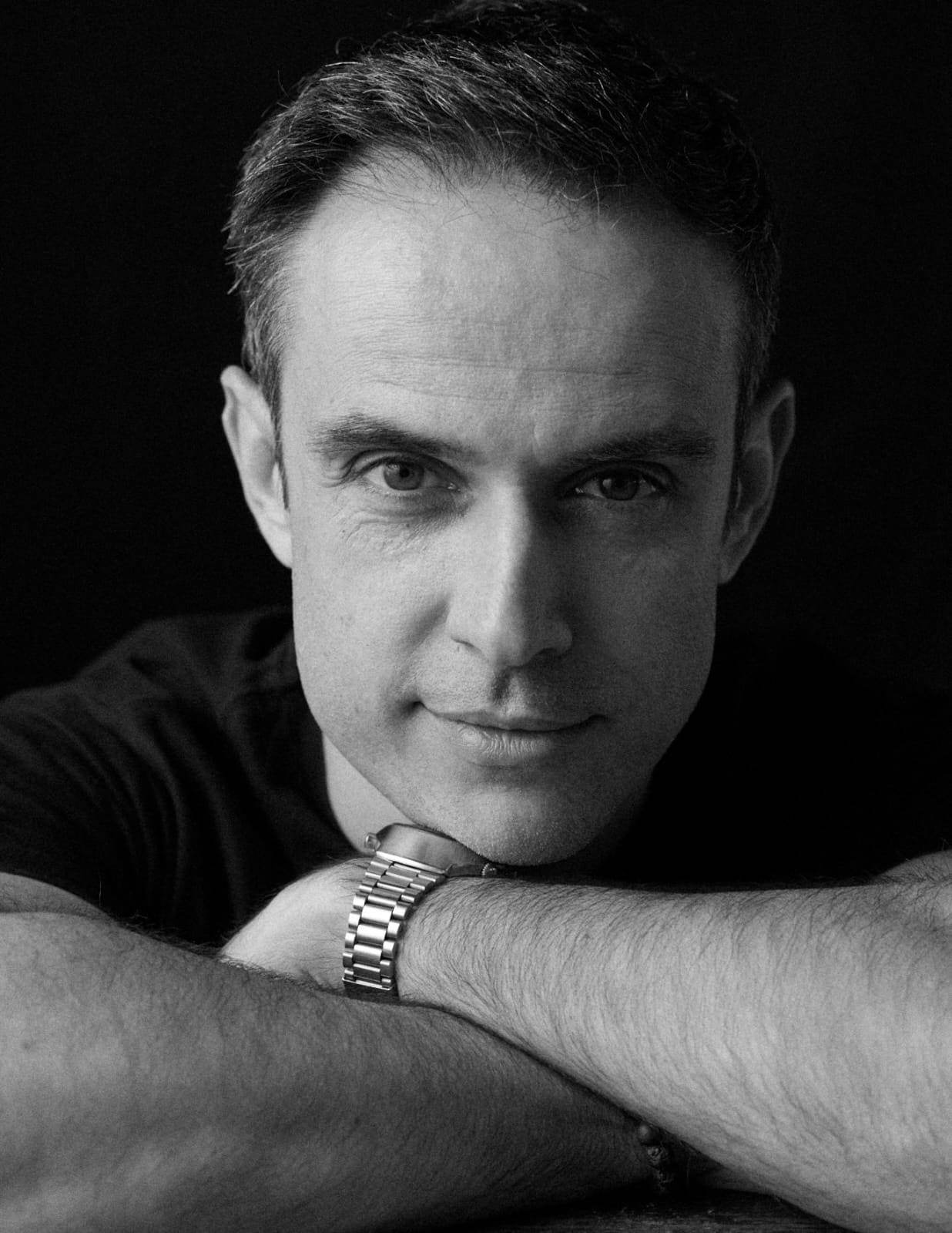
Miguel Abrunhosa Wedding MusicianMiguel Abrunhosa
summary
Miguel Abrunhosa began his musical journey at eleven, on a Saturday morning in Porto, when his father stopped at a music store to buy drumsticks. He wasn't the kind of child who asked for things — but that day, he wanted a keyboard. His father struck a deal: the keyboard in exchange for proper lessons. That single commitment became the foundation of a career spanning three decades, most recently playing nightly at a luxury hotel in Gstaad, Switzerland, for a clientele that travels from across the world to be there.
This episode doesn't rush toward the subject of weddings. It earns it. Rui and Miguel spend a long stretch in territory that feels more honest than a portfolio conversation — talking about what it means to genuinely love music, and what happens when that love gets tested by the reality of making it your profession. That tension is the actual heart of the episode.
Miguel describes a moment that forced him to stop and recalibrate: falling asleep at the wheel on a highway while driving to a show. He had been playing everywhere, every night, in venues and situations that had eroded his sense of artistic identity. He had lost creative freedom. The pandemic gave him space to realign. What comes through clearly is that his passion for music never wavered — it was the context, not the calling, that had been wrong.
Rui brings in a John Mayer story that lands quietly but with real weight. Mayer's father, now 99, told his son he could no longer play — he didn't know where the notes were anymore. Mayer said he thinks of that every time he steps backstage feeling reluctant: he still knows where the notes are. Miguel absorbs this. It's one of those exchanges that doesn't resolve into a tidy lesson. It just stays.
The conversation turns to weddings — to the specific craft of reading a room, managing the energy of a dancefloor, building transitions that keep momentum alive. Miguel makes a distinction Rui clearly recognizes: a band can be extraordinary at a wedding and still be a problem if it becomes a concert, pulling attention away from the guests and toward the stage. The job, he says, is to be present and transformative without being dominant. The party comes first.
He talks about the difference between musicians drawn too quickly into the spotlight — talent show trajectories that skip the years of playing for ten people, then fifty, then a hundred — and those who build slowly, creating roots before they grow. There's a bonsai image that runs through the conversation: years underground without visible progress, then five or six meters of growth in a single season. You can't rush what holds you up.
Miguel is currently working toward something he's been quietly building for years — his own music. Songs he's written, themes he's still maturing, waiting for the right collaborator who can bring some distance to what he's too close to. He talks about it with the particular mix of excitement and perfectionism that keeps work in a drawer longer than it needs to stay there. He seems aware of the trap. Creedence Clearwater Revival, he points out, released thirteen albums in five or six years. Write, show the world.
At the end, asked what dreams he still has left, Miguel's answer is simple and a little vulnerable: to finally put himself into music that's his own. Something that stays after the night is over, something someone else can carry with them. For a musician who has spent decades making other people's most important day more beautiful through sound, that feels like the most natural next chapter.
key quotes
"Once I fell asleep on my way to a show, I fell asleep on the highway. And that wakes you up and puts things in perspective."
"Before you question your passion, in my case, before I question my passion, or my will, or question myself, I have to question the environment and the reasons behind it."
"I wish everyone could be on the skin of a musician while doing what they love, and that moment is priceless. It's just like that. And when you're lucky to be paid to do what you love, it's a privilege."
"You walk for years and years without seeing anything, because you're creating roots, and the roots are there to support you."
"I want to be discreet, but I want what I do, in some way, to touch a certain point, that people say, cool, I liked it, and they come back."
"I didn't have creative freedom anymore. I didn't have artistic freedom to do something that identified me."
"There's a tendency to cut yourself off. With technologies, everything is great, we have access to them, but there's a path that you have to go through, inevitably."
"Something that grows and someone identifies with what I did to be worth it."
overview
New episodes, twice a month. Be the first to hear them.