
Episode 10 · Season 1
A Liberdade da Escolha
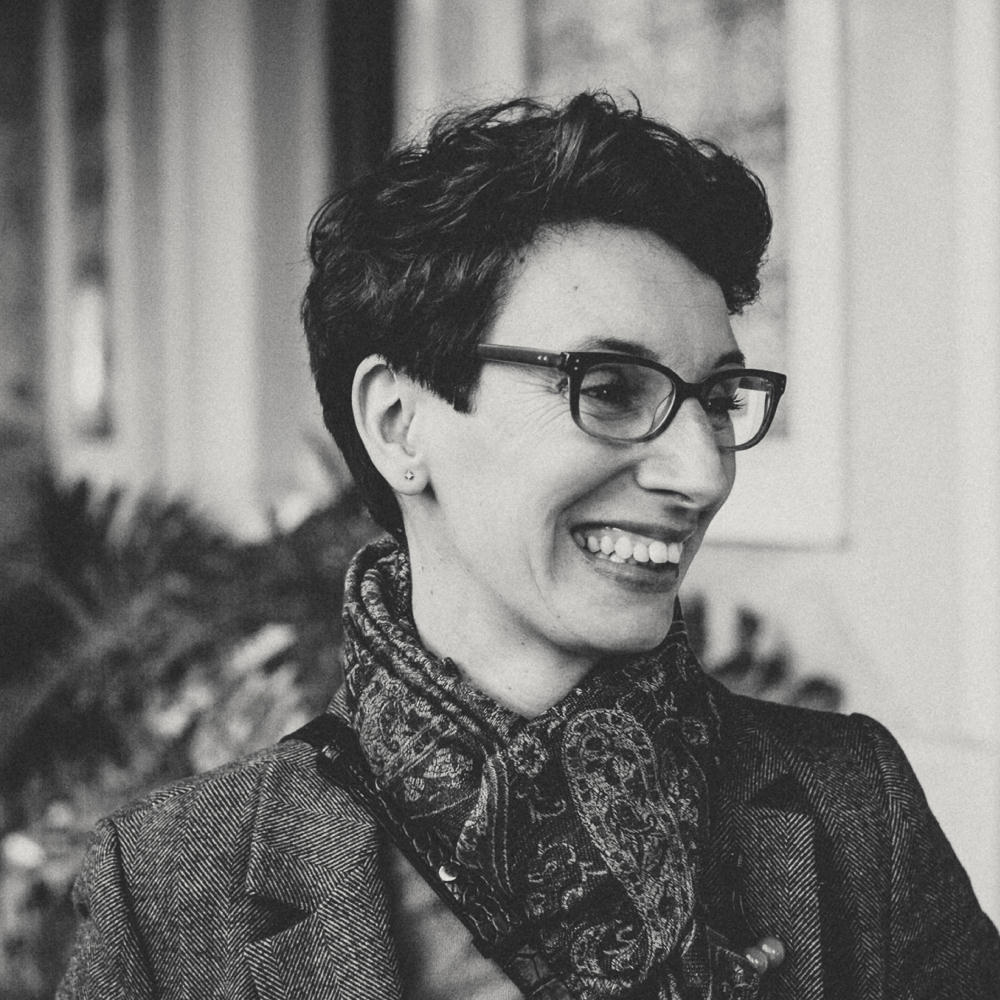
Susana Esteves Pinto MarketingSusana Esteves Pinto
summary
This episode explores one of the most compelling questions facing wedding professionals today: what happened to the sense of adventure and community that defined the early days of the modern wedding industry? Speaking with Susana Esteves Pinto, founder of Simplesmente Branco, Rui unpacks a decade of transformation—from the exhilarating years when making weddings cool felt possible, to the current landscape where fear, algorithm-driven decisions, and tribalism have replaced the spirit of experimentation.
Susana's perspective is refreshingly candid. When asked whether Simplesmente Branco was delivered by design or luck, she reveals it was neither—it was organic. She wanted something for herself and her emerging wedding invitation business, and the professionals around her wanted the same thing. So she created it. There was no business plan, no five-year vision, just a genuine need for community and a willingness to fill it. That simplicity became its greatest strength. The early events—digital magazines, warehouse parties, spontaneous creative projects—happened because people had the courage to do things without overthinking them. They gathered, collaborated, created, and supported each other without fear of judgment or failure.
But something shifted. As the wedding industry matured and became mainstream, the barriers to entry disappeared. New professionals now enter a market that's automatically cool by osmosis, which paradoxically has made the industry less creative. There's less hunger, less curiosity, less desire to know why things work. And critically, there's less willingness to make choices. Susana articulates a quiet frustration: professionals today seem more concerned with blending in than standing out. They follow what's working on Instagram rather than asking what's true for them. They bite their tongues to avoid polarizing. They say yes to clients, projects, and volume not because it serves their vision, but because of a deep-rooted fear of missing out, of being hungry, of falling behind.
This leads Susana into one of the most practical and challenging parts of the conversation: the relationship between freedom and choice. She argues that many professionals believe they lack options when they actually do. The constraints they feel are self-imposed—invisible networks built inside their own heads. Whether you do five weddings or fifty should be your conscious choice, aligned with your life, your values, and what actually brings you satisfaction. Yet most professionals abdicate that choice, deferring instead to vague external measures of success or the weight of what others are doing.
The turning point comes when discussing Susana's own newsletter and a powerful observation: that many of the things stopping professionals from creating, experimenting, and building community come down to fear. Fear of what others will think, fear of risk, fear of being wrong. And yet, when you create with intention and offer genuine value, people respond. The isolation professionals feel isn't imposed from outside; it's a choice, even if it doesn't feel like one.
Toward the end, the conversation lands on something beautiful: the distinction between the rite of marriage and the party surrounding it. The rite—that moment of profound transformation, of becoming something new—is timeless and needs no innovation. But everything around it? That's infinite. That's where freedom lives. That's where you build something true for those specific people on that specific day. What emerges is a challenge for the entire community: to remember that freedom comes before positioning, that choice precedes success, and that the courage to be yourself is what actually creates something worth remembering.
key quotes
"It was a natural process. In other words, it was neither one thing nor the other. It wasn't pure luck, nor was it truly planned."
"And I think freedom is the most important of all. If you have freedom, you can do whatever you want. If you don't have freedom, you can't do anything."
"I miss it. I need it for me, so I'm going to do it. But without any kind of... I wasn't even minimally offended, not even of the importance of that comment."
"Blend-in instead of stand-out, everyone wants to do what is currently working on Instagram, the same reels, the same things, the same techniques."
"You're always afraid, you're always hungry. And if you see someone next to you eating, your first thought is, why is he eating and I'm not?"
"Everything is still a choice. You have to have the cold blood to do it."
"Why are you refusing all the moments of authority and autonomy that you have at your disposal? Because, how come you don't have things inside you that you want to put out there?"
"Leave it as it is, because that's the beautiful part and the meaning, is the rite. It's like that. It's fine like that. It's a concordance for the future, forever, of two people who want the same thing."
transcript + show
episode: 10 title: "Ep. 10 - A Liberdade da Escolha, com Susana Esteves Pinto" pub_date: "Mon, 03 Jun 2024 05:00:00 +0000" original_language: english source_audio: "a719d63e.mp3"
Hello, welcome. I'm Rui and this is the The Wack Podcast. We've reached episode 10 of this season and this week I have with me Susana Esteves Pinto, founder of the portal Simplesmente Branco, among other things. Simplesmente Branco represents for me the beginning of the community where I grew up as a professional. It was the year 2011 and joining this portal allowed me to meet a large part of the colleagues I now call friends. Naturally, when creating a project that aims at the development of the professional community, I was eager to invite Susana to talk a little about those years and what has changed since then. It was a very enriching conversation for me and I hope it will be for you too. Stay in my conversation with Susana. Hello, Susana. Hello, Rui. How are you? I'm fine, and you? I'm fine too, thank you. Look, I'm going to start by saying that I'm super excited about this conversation and for a few reasons. Good. First, yes, first, because although we've known each other for 13 years or something like that, it wasn't enough for us to be in the same division, at least in the last 10 or more. And during that period, a lot has changed. The market, the grooms, and we've also changed. And I think some of these things deserve a good conversation. Then, because your vision is particularly interesting. This is because although you've been to many weddings with Wise Up, a wedding invitation company, the truth is that I think your main contribution has been in the aggregation of professionals. Which, being the purpose of this podcast, the creation, the development, or the elevation of the whole community, I think that your external vision, in a certain way, and very pragmatic, is something that I really value a lot. Having in mind this, I would like to thank you very much for being here with me, from the bottom of my heart, for accepting this invitation. You're welcome. Let's go, then, to some questions that I have prepared for you. This is going to be... I think it's going to be funny. As I've just said, I think one of your main contributions was really in this creation of the aggregation of professionals. But my perspective, in relation to Wise Up, although most people have met and know Wise Up in the perspective of publishing, content, weddings, and all that, my perspective is different. When I look back, I see this creation and this community that, at the time, was built. And when I look back, I see an incredible group of professionals that came to shape the market in the following years and that made this industry cool. Something that it never was. And my question is, was this delivered, or was it a deeply happy coincidence? It was a natural process. In other words, it was neither one thing nor the other. It wasn't pure luck, nor was it truly planned. What happened was that I was one of you, or one of us. I was one of us. And so, I wanted, for me, for my small, emerging business, the boutique, I wanted a certain place. And the people I knew, the people I collaborated with, they wanted the same place. So, it was very natural, first, to create that place, and then to lead it with this vision of what I wanted for myself. And, clearly, what I wanted for myself was the same as what we wanted for ourselves. So, it ended up being a deeply organic, with a lot of adventure. I found it very funny because, precisely when we met, in those days I spent in Porto, I had been visiting the new studio of Branco Prata, and I had been talking to André, and we talked about that time. I'm not a nostalgic person, I don't have any need to look back, I really like what is still to be done, I don't care about what is being done, but I felt a little bit of that slight, almost nostalgia, but it had more to do with our time, and although this sounds a little old, but our time was a very good time, genuinely, it was a time when everything was new, it was possible to do everything, it was possible to dream about everything, it was possible to dream about everything, and all of that was genuinely new, which is something that shocks me a lot right now, I've seen everything, everything is an iteration of what has already been done, and in that time, there was a, I won't even say a glimpse, but there was a feeling of opportunity, and a space for curiosity, and a lack of filter, in terms of the crazier ideas that crossed our minds, we did them, but we did them with this naturalness, let's do it, we'll see, and Simples Finto Branco was a little bit like that, it was Simples Finto Branco, it was the digital magazines, it was the first dinner we had, when we launched the first digital magazine, I still remember today, whenever I pass by Pim's door in Porto, it was there, we had a party at Elisa's store, at Design Context, a guy from Lisbon came, just for that half an hour, two hours we were there, things like that, we did a crazy showcase, in a completely unthinkable place, falling apart, almost without electric light, well, we did everything we wanted to do, and I think that's the great scene, and the great mark of this generation, regardless of whether we are more than ten years old, or ten years older than the others, as is our case, for example, but we are all from this generation, in professional terms, that there is clearly a before, when nothing was cool, there is a during, when we were cool, and there is a now, which does what it wants, because the others before us, we created that opportunity, and we gave that validation, everyone who comes now, enters the market, which is automatically cool, becomes cool by osmosis, almost, simply because it enters, it becomes cool, but I would really like to see a little of the recognition of the importance of who was before, not because it was us, but because it was this great shift, provoked, worked, and built by us, that allows everything now to be everything you want it to be, with an incredible ease, and we, by doing that, we actually wanted to break what was before us, but we still know who were some of the great names, of the heavyweights, before us. A few days ago I was talking to someone, a photographer who is 30 years old, he had no idea he was just white, and I thought, it's not possible, because you're not a kid, you should know more, but not in this sense of you don't know who I am, but in the sense of how come you don't know, one gram of the history of the sector, which is such a young sector, such an interesting sector, it's a sector with so much space, and that supports so many people, and where so many people can be so creative and express themselves in a way they understand, coming from wherever they came from, and how is it possible not to know, and not to want to know, and not to have that curiosity of how did all of this happen? Because it happened yesterday, it didn't happen 20 years ago, it happened yesterday. It's true, no doubt, and it's really funny to talk about it, but it's understood and understood in this perspective that the wedding industry has this funny thing, which is, I agree with everything you said, but there's that group of people that are in all areas, from paintings, photographs, videos, all of that, and... that never left the bubble they were in. Even with everything happening around them, even if it's here, or outside, they never left that bubble, that's why, in my reality, in my bubble, it's very strange for someone who doesn't know the simple white, or what happened, but it doesn't surprise me. Because you really have a lot of people that stayed in that bubble, and never wanted to leave, because it worked like that, that typical phrase, it always worked like that, why would I change it? Until a point where it stops working, and you end up going to something else. But, well, making the connection with what you're saying, and you already talked a little bit about how you see the sector and the market now, but, what are the main differences that you feel, from a practical perspective, for those who are working now, those who are communicating now, how do you see that big difference? Look, the main one, the one I already mentioned, was the absence of filter, and the will to do, without fear, without fear of judgment, without fear of, it's a good idea, it's a bad idea, without fear of risk. I think that today there is a lot of fear, even if you call it something else, but I think there is fear. No one sticks their finger out of the risk, and when they do, they probably do it in excess, without consistency, without having value, without having a big idea underneath, that sustains all of that, that sustains the craziness, that makes you look twice and think, I get it, this is really good, it's not just weird. And, I feel very, one thing that was very pleasant in our season was, there was no such community, as you say, people didn't talk to each other, they didn't know each other, and Simplesmente Branco provided that arena, a place where people could be, they knew each other, the photographers were already forming their small, big group, but the rest was all very scattered, and people just didn't talk to each other. And, from the moment that they systematically became a team in weddings, they started to see each other every weekend, every week, there were our events, where everyone came, who participated, who came to visit, and there was always room for conversation, that made, and, in a certain way, we also did a lot of these crazy projects, of photographic productions, of digital magazines, you have to understand the context, this was at a time when none of this was normal, none of this was common, all of this was very exotic, and very improbable. And so, there was a lot of that desire to be, to talk, to know, there was a lot of availability to interweave, to know more, there was a lot less filter, a lot less jam, there were tricks, it's also part of age, sometimes it seems that we were all in high school again, but we were also always able to digest and surpass, even if we had a few seasons without talking to each other, and then we only talked to each other, but we all knew who we were, we knew where we were, we knew what work we were doing, and we were available to the craziness that the other wanted from us, and that was absolutely fascinating. Nowadays, I feel that I think it has a lot to do, it's the sum of everything, it has to do with the pandemic, it has to do with, there was a moment in 2000, precisely at Portas 2020, at the wonderful event that Miguel organized at L6 Factory, the WXperience, which was finally a wedding fair organized by someone who was from the sector, that alone was a difference in a phenomenal step, and it was an incredible event, those who were there until today know how much that was a change, bad luck, it was at the doors, precisely at the doors of COVID, and I remember closing and thanking the people for coming, etc., and having believed, and everything, and looking around with the microphone in my hand, thanking all those people, and thinking, and there are so many people saying I finally have a feeling of community, palpable, there is an environment here, there is a vibe here, there is a scene here that I don't know how to define, there is a thread that connects all of this, that connects the availability with which people embraced this event for the first time, the way they presented themselves in public, all of the best, incredible stands, they fulfilled the indications that were shared by the organization, all of that, all the people, the whole collective was at its best, with an incredible responsibility, and with an incredible will to do it, and I remember perfectly, and I had just announced that I was going to close Simplesmente Branco, and I remember saying that W was a lighthouse for the next season, that is, Simplesmente Branco had fulfilled its role, it was done, there was no need to do anything else, and that was the next step of that universe of people that genuinely like to work in the wedding sector, that saw in this an opportunity to grow, to create, to challenge, to produce, to center, to challenge, etc. Nowadays I feel that people work a lot inside, we were always a bit tribal in our small groups, but I think that now it is much more tribal, and the groups are much more closed, I feel that there is no interest in knowing the other, there is an interest in knowing what the other does, but not necessarily in knowing him, in knowing why he is doing that, what he needs, where he is looking, I feel a lot of that closeness, and I feel a lot of pity, because I think that with closed scenes you don't learn anything, there is no darkness, you don't bring anything, I think it is not very interesting, I think it is... I feel again, which is a very curious thing, a certain stagnation, even with the new generation that is entering, there is a great revitalization, there is a great exchange of who leaves and who enters, successively, but I don't see ambition, I don't see ambition in terms of visibility, I don't see ambition in terms of creation, of signature, of autonomy, of you being you, yourself as a professional and a person, wanting to reach places for you, as a personal satisfaction, wanting to reach and do as a personal satisfaction, I don't really see that, I don't see that, but... As a community, yes. Now, at the beginning of your answer you talked about a series of things and I will read to you a few words that I think you are able to recognize. If we start from the general to the particular, our daily sphere will be made up of dozens of self-inflicted habits in which we close ourselves and that freedom that is available to us. In the weight of the success of others over us, that ends us, or the disdain that gives us, in the fear of saying goodbye, or not accepting a pernicious client, or calling reason a partner that ceases to be, in the hesitation in articulating a non-obligatory canonic, this one is particularly incredible to me, in the blend-in instead of the stand-out, biting an opinion so as not to polarize, not being a pioneer in a decision-making that is beneficial for everyone, obeying an algorithm at the moment in substitution of the experimented intuition, in all the things that we stop doing because they are risky and what others will think of me. This is certainly what you already recognized, which is from your newsletter with the title Mais Liberdade Por Favor, from April 25th. I loved the whole text, but this part stuck in my head since I read it. And for several reasons that you just mentioned, which is, you talk about a more general perspective of society, but I see all of this in this little world that we are in. Yes. Blend-in instead of stand-out, everyone wants to do what is currently working on Instagram, the same reels, the same things, the same techniques, the question of biting an opinion so as not to polarize, nowadays you don't have the strength or the will or the energy to bear an argument that you really believe because you know you are going to polarize in such a way that it's not worth it. And then this ending of, I'm not going to do this because it's risky or what am I going to do? I don't have a proper question to relate to this, but this touched me so much and marked me so much, this part of the text and I would really like you to better organize your thinking or in a formal way, the way you feel about this, how you feel about this applied to marriage and our industry. Look, to start the conversation, I don't feel anything like that. I, personally, don't see myself in any of these things, because who knows me knows that and it's on almost all of my websites, April 25th is my favorite holiday, I'm turning 50 this year, like April 25th. I don't know the world in any other way, I don't even want to. And I think freedom is the most important of all. If you have freedom, you can do whatever you want. If you don't have freedom, you can't do anything. And therefore, my entire professional path and my vision of the world sits in that principle. I don't like comfort zones, I don't understand them, I understand that they are necessary to rest, but not as a way of life, because you don't learn anything, you don't grow anything. I think knowledge and wisdom are the greatest form of seduction, absolute. And I think you should have a place to look. It's not the same as ambition, but something that is bigger than you, that you can absorb a part that you don't have yet, whatever it is, something that you haven't reached yet, and therefore, you want to go. Simplesmente Branco was created because I wanted something like this for me, for my wedding invitation brand. At the time there was the Click wedding, it had just appeared, I was contacted once or twice by their commercials, and that was a whole process of horror, from the super aggressive sales conversation, from putting a contract on the table, now you have a 30% discount, everything that I didn't want for myself. And therefore, what do you know about websites and digital platforms in 2008? Nothing. Do you see things you like? Yes. Do you understand your subject? Zero. Do you know people who understand their subject? Yes. Ok, so let's get in there. So, you start something simply because you don't have it and you miss it. And how do you miss it? You miss people being by your side, that you know, with whom you hang out, that look at you in the same place. Risk? Man, very little. People don't want to? So what? I remember having a conversation. Man, I'll never forget it. With a photographer, sitting next to me in my room, and I explained to him that I was going to do this. And sometimes I used as an example, that example that I always use, that you all know, which is, man, it's a kind of a national style me pretty. Which was the best way to illustrate this. And he answers me, with an air, like this, a little bit, superficial. Who do you think you are? Do you think you're going to do that? And I, in my ingenuity, totally usual, that passed me completely aside and I just answered, I don't think anything, I miss it. I need it for me, so I'm going to do it. But without any kind of... I wasn't even minimally offended, not even of the importance of that comment. Unless, he needed an answer and the answer was, I don't think anything about it, I miss it, I'm going to do it. So, with a total and absolute detachment. It was simply because it was something that needed to be done. As no one was doing it, and I also missed it, man, I'm going to do it. Instead of waiting for the universe to take off and put it in front. The magazine, the famous ES Magazine, which is also 13 years old, I still look at it today and think, wow, this still has substance. It happened because, in one of my trips to Lisbon, Porto de Lisboa, on the phone with Ana Jordão, those crazy, usual ideas that we had, ah, Gigi was doing a digital magazine. At the time, digital magazines appeared, and there were two or three amazing ones. And my automatic response was, again without filter, you're crazy, don't even think about it. Not even five minutes later, I grab the phone, I call him back, and I say, well, you know, we're going to celebrate the first anniversary of Simplesmente Branco, maybe it would be cool to do it, we can do it like this and that. A digital magazine, bilingual, with almost 200 pages. Where do we... There it is. Nowadays, perhaps the thought would be, where are you with your head? At that time, it was, yes. Why not? Why not? Precisely. Precisely. And I remember when we did the event at Elisa's store, João Marques came from Lisbon, from Jukebox, Carlos from Video Art came, I came. We all went to her store. Did you go to the hospital? We went to the hospital, at 10pm, in Vila do Conde, to drink a glass, play some music, and hug each other. Because, nowadays, you can't even imagine the simplicity with which these things happen. And so, it costs me a lot this blending of the world, and more than it costs me, my great perplexity is, how come you're not fed up with this? How come you don't want something else for yourself? You drink a glass of those, it's like those bad glasses, you know? You bite, you drink it gray, without foam, without anything, that comes in a boiling glass, that you can't even touch. The worst version of all. And you don't want anything else. You can't imagine a cappuccino, or a strawberry salad shake, or a scene, any other scene. Don't you miss it? You, a creative person, don't you miss creating? Truly? I find that so strange. So, so, so strange, that I can't understand. So, in short, this thing of you refusing all the moments of authority and autonomy that you have at your disposal, is something that I have a hard time understanding. Because, how come you don't have things inside you that you want to put out there? How come you don't want to have a conversation with the other? How come you don't want to discover the other? How come you don't see value beyond that period of polarization? Because even polarization can be dismantled, if you really want to. And things are polarized, it depends a lot on how you approach them and put them on the table. One thing I found super funny was, I have this newsletter, which is 159, and, invariably, every time I send it, two or three people cancel their subscription. It's very normal. I even find it more annoying to say more about them than necessarily about the content of my newsletter. Because I don't see it as something in relation to my content production and the ideas I want to put up for discussion. I see it more as it doesn't interest me. That's it. If it doesn't interest you, it's you who doesn't care. No worries. Interestingly, with this newsletter from the 25th of April, there was no one who canceled their subscription. I don't know if all of that got a little bit out of hand, as it happened to you. Maybe people were going on holidays and weekends, and so they spent a bit of time at work. But, in fact, if we were all dressed the same, doing the same thing, producing the same thing, eating the same thing, maybe it's worth telling people to pay attention to this scenario and realize if this is what they want from you. Have you read the book 1984? George Orwell. Many years before 1984. When I read it, it was that agony that you talk about. You just said that. It's the feeling that you're really in a reality where there's no... not only freedom, to start with, but there's no creativity, no initiative. Just reading it was already an agony. And to imagine that you live... Of course, it has nothing to do with the book, but to imagine that you feel, in a way, closed, limited, and blocked to your opinion, to your creativity, to your ideas, and that same limitation, is it you who imposes it? Yes. Is it you who says, I'm not going to do this because... You don't know what's going to happen when you put things out there. As you said at the beginning, I think it's really fear. People are afraid of rejection, afraid of criticism, afraid of an opposite opinion. We live in this world where opinions, now, we have to control them. Why? There's even comedy about it. But it really touched me because I feel that, I feel this feeling that I have to go in the direction of the carnage, and the algorithm says it's like this. Why? It's tiring. Yes. It's tiring. Don't do it. Yes. Yes. Try not to go, and you'll see what happens. Nothing happens, Rui. Nothing happens. Exactly. I'll go even further. Hearing you talk about that experience you had with the creation of Simplesmente Branco, all those incredible moments that we all had, it literally feels like you're in my head. Because this podcast is exactly that. I missed talking to people. I miss that the conversations have more than 140 characters. I miss someone who can... I love... I don't like when I have someone in front of me who tells me what I say. I like to be argued with, because I also like to argue. But I like to be argued with with support. And you, even on social media, with 120 or 140 characters or whatever, you can't support anyone and it's very easy to polarize. But when you're with people in front of you, when you have an hour or an hour and a half to talk, you can hear people's ideas, you can at least try. You may not agree, but at least you'll understand why that person thinks that way. And there's always... Even this morning I was talking and I said, you can hear interesting things from anyone. Even Trump can say valid things. And the best people... You even have Obama saying nonsense. All of this can happen. But we live in a world where if that person is like that, what they say doesn't matter. It's not even worth listening to. And it's sad. And it's tiring. And I think that... And it was a bit... You said... No, basically it was this. There's one thing that's even more additional, that for me is much more worrying. Which is... I, in the work I do, and in what I put out there, I do it in a very conscious way. And I do it from this point of view of digital sustainability. That is, I only put out there content that has value. To my eyes, obviously. But that has value. And that value can be beauty. It can be information. It can be fact. It can be humor. Humor is very important. It can be a series of things. But it's never empty. I don't put... And anyone can look at my history on Facebook. On Instagram. The things I choose to keep on Pinterest. The things I put on my newsletter. The way I build my websites and the content I put there. Everything has, consistently, value. And I'm always interested in the conversation. Always. Everything I put out there, especially in this aspect, which is more intellectual. Let's call it that. In opposition to the other, which is more creative. It's a spark to think. It's structured and thrown out. Because I feel the need for that conversation to happen. For there to be another opinion. For there to be a validation. This is my impression. This is something that's always in my head. You're also seeing this. For it to be, in a way, an echo of what's around. And what I feel a lot, especially in this content production that's being done nowadays, is that it's never a conversation. It's a deaf thing. It's a need to kick out. You kick out, you close the door. You produce again, you open the door, you kick out, you close the door. There's no intention of a conversation. Or of something that's bilateral. That comes and goes. There's no interest in ping-pong. There's only interest in putting it out there. And the content itself, not only the way of doing it, the content itself, doesn't ask you for a conversation. It doesn't question you. It goes through you and you're not even there. It doesn't have any kind of impact. Now, the cost that this has in our lives, the hours wasted that Malta takes to build this kind of narrative, the time it takes, the effort it takes, the doubt it creates in each one of us. I'm not going to do this badly. Now that I've finally understood, it's not like this anymore. I have to understand how it's going to be done. And to live like this, intentionally, make choices, choose wisely. You can choose something else. And above all, you can't just make another choice. If you're truly competent and good and creative and consistent in the work you do, your work will continue to exist. And your work will continue to reach you. Maybe you'll have a better client. You can, in fact, choose. What prevents you from choosing? Because these are all networks that you put inside your own head. Without an advantage. And if you have an advantage, well, I give this, but I have that. No, you give this, you give that, you give the other, and you keep giving. That's it. I think we were on this subject for more than two hours. And I liked it, because it's something that takes you to other paths. The comedy and the amount of bits that you feel are out there are so, sometimes, agonizing that... But let's leave this for other... For other... Carnivals. Because I wanted to move on to a topic that I know you like a lot and that I'm very excited about. It's more practical and more for the colleagues that will listen to us. Which is the question of market positioning. I know that one of your favorite authors is also one of mine, which is Seth Godin. I put him next to Simon Sinek for different reasons, but I love them both. Later on, I'll tell you about one of the quotes that you have at the end of your newsletter, but before that, I'll ask you a more or less introductory question. In the work that you have and in the project that you have as a consultant, I believe that this should be one of the main topics that you have with the people in front of you. The question of where do you want to put yourself in the market. What is the place where you want to be? Am I right? No. No? No. Actually, it can happen something similar, but not the same. Someone comes to me and says, I want to be there. And I observe everything and say, no. You think you want to be there, but you really want to be here. And it's the most fascinating process of all. Because it has a lot to do with something that I like a lot and I have realized that I do it well and I am very happy because as I like it a lot and I do it well, it is the best of both worlds. That is, you have a clear vision about you and your business. And I have seen many times, almost all the cases with whom I have worked, that Achilles' heel is the lack of clarity. And from the moment you can find that clarity and with that clarity comes the correct vocabulary, comes the right site, comes the portfolio selected in the right direction, comes everything, comes the right price, can even come the right clothes, comes also the right client. That process is very fascinating to watch and it is very interesting because it is what is missing the most. And it is probably what is missing the most. Why? Because all of us, or at least maybe 90% of us are self-taught. We have already done many things, some more, others less, because some started later, others started earlier. We are all self-taught in the universe of knowledge to be professional in the marriage sector. We like photography, we like flowers, we are good with our hands, we studied graphic design, we studied photography, we studied cinema, we studied math, as we also know. Therefore, all of us did and studied and got interested in many things before landing here. And therefore, probably even the way we got here was, on the one hand, half intuitive, half natural and on the other, perhaps because of the ambition of, look, I want to be a wedding photographer. Why not? It is valid as any other option. But the fact is that we did not really think about it. It is very done by hand. We did it and in doing it, we reacted, we were more reactive than proactive, that is, we reacted to the work and we learned with the work that was appearing, with the different clients that were appearing, with the different places where we were going to be, with the different types of people we were contacting, with collaborations that we were having. That is, everything is very reactive in that sense and perhaps there is a small interval of proactivity left, in the sense that, okay, you've done all these things, maybe now I want to have a new website, I want to change the logo, I'm going to paint the studio walls to make it look different, I'm going to make a new postcard. In the abstract, suddenly everyone says, oh, I want to work in the luxury market and my position is in the luxury market. When you don't have the slightest idea, genuinely, of what the luxury market means, or even luxury. Your idea is absolutely external and it is in the sense of almost absolute certainty, this is genuinely true, it is worth it. You are looking at the money that can come in, you are not looking at why it really interests you, what does it have to do with you, where are you going to get the pleasure? We spend two-thirds of our lives working. For me, having pleasure at work is a super fundamental thing. In this whole cake of things, why are you choosing what you are choosing? Does it have to do with you? Is it an external choice to you, which is from the outside to the inside? Or is it something that is internal to you, from the inside out? And invariably, the questions that come up, whoever comes, always comes with a vision from the outside to the inside. What I want to do with the people I work with is get them to make choices from the inside out, which are much more interesting, much richer and, above all, you get a capital of trust in yourself, which I always say is when you talk about your business, practically all of us work alone, these are non-businesses, and one person, two people, three people at most, and maybe when there are two, they are almost always a couple, many times, when you talk about your work, it must be like breathing, because you are not working for someone else, and then you can turn your head off, someone makes decisions for you, etc. But when it's all yours, this must be like breathing. Like breathing means that if I ask you a question, you don't hesitate to answer, because it's all organic. If your things don't really serve you, you won't be able to give that answer, that way. It will be something that you will hesitate, you won't be sure if you're saying the right thing or if you're saying the wrong thing, if it's exactly that, if it's a little bit next to that, and so that idea of being like breathing is much more important than positioning. Positioning comes after that, it comes later, it doesn't come first. Yes, basically, as Simon Sinek said, find your why, and when you find your why, everything works. it becomes easier. Call it whatever you want, but if this is yours, if you chose this, I'm going back to the 25th century again, if you chose this, choose it truly, enjoy it, it's a pleasure, and find the way, this is a bit like, look, you have to wear a skirt, and the skirt has to have a top and a pair of pants, but the pants you choose to wear, and what you choose to wear from the top, it can be whatever you want, it can be exactly whatever you want. And this example is wonderful, you know Diana Vinha, from Pretty Exquisite? Yes, yes, yes, from Manas. Diana, I mean, it's been a few years since she had an absolutely extraordinary shoe collection, it was in the 200s, a few years ago, now I imagine it's been a while, but at one point Marlene told me where that came from, she went to a school where she had to wear a skirt, a skirt, a skirt, and, I have a lot of skirts at home, but she had to wear a skirt, and the way she expressed herself, it was the shoes, it was where she could choose, and while most people choose, since the skirt is basic, you choose a basic pair of shoes, she chose, no, if this is where I have the choice, then this is where I'm going to break everything. And there you have the choice because you don't use it, right? Yes, it's your way of appropriating the recipe, you have to know it, first you have to know it, talk, make it work for you, not for others, always, how can you take what is the way to do, to walk on the street, you have to wear shoes, what do I do with this information? Well, I'm going to wear the shoes I want, or I'm going to wear only sneakers, or I'm going to wear sandals, I'm going to wear sandals as socks, I'm going to become mine, and so, when they ask me which shoes are those, it's like breathing, well, they are my favorite shoes because I love green mustard, with a little glitter on top, and that's it, ok. No doubt, using the choice if you have it. Look, the sentence I referred to a little while ago that you have at the end of your newsletter is pick the client, pick the future, and you already talked a little bit about that, but, at the moment, you have to choose, going back a little bit, you choose what is yours to breathe, you know why you are here, you know why you want to do this, the next step is to choose the client, or do you think there is still a process before that? Is it immediately following? Yes, if you never made choices, you will never make choices, and all these processes are things that the gain is essentially cumulative, the world doesn't change from today to tomorrow, but maybe at the end of the year, your context is different. I remember when I started, the Simplified Branco was always a point of attention, it was a place of attention, it always was, precisely because I always chose the people I wanted to work with, to me, to my eyes, it is deeply natural, to many people's eyes, it is probably an absurdity, or a weirdness, or an incomprehensible thing. But, if you have a clear vision of what you want, and it can be not necessarily what you want, but it has to be, obviously, what you don't want, which is already a more simple way to start and create a place, you have to choose, period. And therefore, I spent probably 70% of the time saying no to those who contacted me, 10% of the time saying yes, and another 70%, even if this is already 100% of the time, was me contacting the people I wanted. And there was always a very big shock, those who received the email saying it doesn't make sense, and it was always a very careful email, very attentive, and very explanatory, also saying, look, this is the editorial direction, this portfolio is not aligned with that editorial direction. I'm not discussing quality, I'm just saying and confirming that I will never be able to generate results for that investment, because that's not where we're going, our clients don't consume that product, they don't consume this product. And so, this is almost like having a Sabrinas store, and someone saying, I want to sell these high-heeled shoes, which are amazing, and I say, well, it's high-heeled shoes, but my clients only buy Sabrinas, they will never buy high-heeled shoes, so it doesn't make sense to pay to be here, because I won't be able to generate anything good, anything fruitful. So, this generated amazing antibodies, and in 10 years, the next step has always been this one, to refuse what doesn't make sense, and go after what is the right fit. And so, this no ends up being a fundamental thing, and it's never personal, it's not offensive, it's nothing like that, it's, look, I can't do anything for you, my work, what I do best, doesn't serve your needs, it's not even about you, it's literally about me, because I can't accommodate what you're going to need. So, at this point, when you have the person in your consultancy, and when you're talking about the client, you're also talking about those platforms that you can use, or before all that, you have the real idea of the client that the person wants. Can you understand that with them? Yes, I can understand with them where, the most interesting part is to understand where they're looking, and where they want to look, and if these two things don't coincide, make them coincide, even if it's a little bit aside. And, from the moment that, ok, so, we want to do this, and we want to do this, for these people, and these people are here, we align everything to there. And that everything, it's literally everything. You align, the portfolio you show, you align, the vocabulary you use, you align everything. It doesn't have to be hyper-orthodox, because I think that never works, I think everything that has a certain elasticity is good. And, you stop working with, and then, there are good clients and bad clients, and there's no reason for you to work with bad clients. We've all had bad clients and we know how to get to know them, even if we want to let them pass, and give them a second chance, and say, ah, that's not good. They're all there, at the end. There are times when we align because it's actually necessary, there are times when we align because we're being naive, and there are times when we align because we're being stupid, because we already have experience to know better, and we already have knowledge, and positioning, and competence to not accept, so it's not necessary to say no, in fact, because it's going to be much worse for us than bringing benefits. And so, start saying no. And maybe in the 30 contacts you have, you'll say no to one, next year you'll say no to five, and maybe next year you won't say no to any, because you'll only have 20 contacts, and those 20 contacts will be the right ones. But again, this has to be done without fear. 50 years of Salazar still weigh a lot. It's a long time, it's many generations. And if there's something that is deeply Portuguese, it's this look over the shoulder. You're always afraid, you're always hungry. And if you see someone next to you eating, your first thought is, why is he eating and I'm not? It's not, hey, how funny, what is he eating? Oh, I want that too. It's always because of the negative. It's always what you don't have versus what he has. It's never what you can have, that he also has. This is something that doesn't exist yet. Yes, yes. And it goes, for example, to our relationship with clients, that if you have 10, you want to have 20. And when you have 20, you want to have 30. One of the questions I always ask, especially to my clients, and I was going to say the volume ones, but not even the volume ones, it's the same for everyone, which is, what is your great number? What is your great number of weddings? And we go there a little bit to chew and such. How many times does this happen? The great number being one, and we're in February, and that great number has already been exceeded by 10. When last year's experience was already a horror, because it was already above. Because you're afraid to say no, you're afraid, you're afraid that you'll die of forgetfulness. Or of an idea, which is not even a joke, of a deeply vague idea of forgetting. Now, it's possible to do less, it's possible to do well, and it's possible to do better. But again, you can choose what you want. It's you who can choose. If you want to do 45 weddings and die every year, and in five years you can't even look at any of this, you're in your hair and all of this makes you want to throw up. Or, unconsciously, you think I'm getting tired, let me do a shift here to do something better. I remember perfectly the great number of customers at Simplesmente Branco was between 90 and 95. And there was a moment when we had, I don't know, 103 or 105, and I thought I don't want any of this, I can't do this. And there were only five more. It was 5%, but it was enough for me to feel that I didn't have control, that I wasn't taking care of everything, that I couldn't provide the service the way I wanted to. I had an additional load of stress, that I didn't want anything in my life, I didn't care about anything like that. In the name of what? To have a little more income? No. Let's do the accounts another way, that's what I was missing, to find another way to bring that income into Portas. But I didn't. Just grow, grow, grow, grow, grow. Because there are many ways to grow. Without a break. Always with this fear of being hungry. Always looking over your shoulder. No, do you want to do five? Five is enough. Do five. Don't do more. And that's at the end of the five months. Can I fit two more? I'm still on vacation when I want to. Do it. I agree 100% with you, because I think the fear of being hungry is something that is deeply rooted, some people more, others less, but I think it's something that is deeply rooted. But it's something so internal, so personal. How do you think we can fight that? As a community as well, but as an individual, how do you fight that? Curiously, I think it's the opposite. I think it's something that is not internal, it's totally external. I think it's much more about not thinking what others think about the same. We lead a life thinking that others, when we say I'm doing 10 weddings, the first thing that comes into their mind is a balloon with a measuring machine that are trying to figure out what 10 weddings mean. So this person gets X. Nobody does this. Right? Nobody has a balloon, that on top of their head, with this calculating machine. It doesn't exist. But we all think that if we say I only do 10, it means that you're not able to do more. Or if you say I do 30, the other person will think when you grow up you want to be like that, you want to be the biggest. It seems like you only have this dichotomy of the worst or the best. When it's the number that works for you. It's the number that works for you. In your case, Rui, you have three little kids right now. You and Elsa do the same job. They work mainly in the summer, when maybe the kids have more free time from school, etc. So, if no one besides you or no one better than you, or than you together with Elsa, will know what your right number is now, which is certainly not the same number when you didn't have kids yet, it's not the same number when you didn't have a house, and maybe you still had that with your parents, it's not the same number when your three kids are all at school, and probably at a different age, maybe one is already on his way to university and the other is already more or less out of school. So, even that number has a very large plasticity. And it should work for you. And for your life, and the moment you're in. It shouldn't be a stunk thing to grow continuously. I remember in the podcast with Jenny, you commented on the question of growth, that we have an abstract idea that is a ramp, continuously, but that in reality are steps. I was there and I was thinking, there was a moment when I got to a place that I thought was the best place for me, that already had more than 100 customers, more than 100 customers, what a scene, fantastic, what a measure of success or whatever this is. And then I thought, this is all horrible, so either you take the leap, you invest more to be able to take the leap to the next thing, or you take a step back, because you've seen what it's like there, you don't like it, you take a step back to a place where you're fine and you can do things the way you want without imposing quality, etc., etc., etc. So, it's a choice, everything is still a choice. Everything is still a choice. You have to have the cold blood to do it. Without a doubt. And you went through all those examples and it's all right, especially when we talked, at the beginning you were saying that we're still in the pandemic, we're still going out, it was four years ago and for me it seems like it was last year, it's a very strange mix of time and in this very short period a lot has happened. And it wasn't always the same. In 2020 I had four weddings and it was amazing. I didn't have time to rest and it was horrible. And now we're going through this year, 2024, which you've already realized is a strange period in the world. That's why we're all suffering with it. But I'm not... There's always some apprehension, there's always some apprehension and some anxiety. A lot has happened in that period in which we've really adapted to what was happening and not always the choices, we didn't always have the possibility to choose and sometimes the choices weren't the best. Yes. Doing that unconsciously is a choice. Because you accepting that and accommodating that as a means and not a way of being, I have to be like that right now, but unconsciously it's right now, it's not permanent. It's now, I'm going to tell it this way. Lower your head and go on. It's necessary to get to the end, to get to the other side. But the choice is to do it consciously instead of reacting or even deliberating about the subject. Without a doubt. We're in a restructuring process since the last... half a year, six, seven months. Because of that. Because we got to a point where I started to question if I wanted to be in the wedding photography. And... fortunately, completely fortuitous situations like Ivo and Vanessa and other conversations that made me realize that what I was asking wasn't what I wanted, what you said at the beginning, the alignment, I thought I wanted something, I was receiving that thing, I was receiving those clients and it has nothing to do with the people, who were always amazing people, that I thought I wanted, but in reality it wasn't those weddings that brought me the pleasure of the profession. And I needed a series of things, most of them were fortuitous, and suddenly this time passes, I can't say that I'm still on the other side of the tunnel, but even with this project and the incredible conversations I've had with people I already knew, people I've reactivated relationships with, it has given me this comfort, in the sense of this emotional return, so good, that you think, no, after all, I really like this, I really like this community, I really like these people, I just need to align a series of things. And there it is, we're back to the choices. I also had here, this post-Covid period, it was very weird, it was literally that feeling of clothes that aren't yours, because at the end of, since 2018, when I wanted to leave Simplesmente Branco, I was very saturated, I was saturated with relationships with people, people were becoming very difficult, I didn't have anything left, I didn't have a challenge, I had to move on to something else, I needed a level of investment that I didn't have financially, and I didn't appreciate it enough to make the effort to get there, and at the same time, at least 10 years, I almost died on the beach, so I had this fixed idea of no, 10 years, in a circle, it's done. And at the end of 2019, in the last quarter, I sent an email to everyone saying look, 2020 is the last year, it's been 10 years, I have other projects, I want to go on with my life, I want to do other things, and above all, my work in this bubble is done, what I set out to do, what needed to be done, done, well done, very conclusive, grade 20, everything impeccable, everyone is... our little world is another, everything is more interesting, all this definition of a new level of the wedding market, from my point of view, for me, as a professional, was fulfilled. And that gave me nothing. And so I decided, at the beginning of the year, first I communicated inside, then I communicated outside, and everyone was very surprised, and I said, I'm going, my friends, I don't want to do any of this anymore, I want new things, I'm coming. The pandemic came, in the middle, I decided to grab the phone, call Cristiana, from Zankio, and say, look, you know I'm going to close, because I already told you, in case you want to buy this, because whoever is with me doesn't want to be with you, there's a mess here, the guy is going to become an orphan, he has nowhere to go if this disappears, so, look, remember to put this on the table if you want to consider it. Yes. The moral of the story is that they wanted it. So it was an absolutely incredible scene. And I signed the sales contract on December 31, 2020. Precisely. And that's how it was. And then, it was a very strange period, with its pandemic component, for sure, but no one, except 3 or 4 people from my most super hyper intimate circle, but none of these hundreds of clients, and in reality they went through the simple white that I made those accounts, about 300 suppliers in their 10 years of existence, no one told me anything. No one asked me what I was doing. No one asked me if I was selling. Not even, not even anyone told me. Congratulations, what a crazy scene! Nothing. Total silence. And it was a very strange period, because it was a kind of... as if I had gone through a... simply for the simple fact that I decided not to do that anymore, I had gone through a 10-year professional bubble. As if I hadn't existed at all. It was a super weird feeling. Weird in many ways. Why? But how? Well, so what now? Me too. What am I going to do now? What do I do with so much experience in this sector? Do I have to be continuously channeled into the sector? Because I myself want to be in it, but I don't want to do this. I had a lot of time to be able to make the site the way I wanted, and sometimes I thought, but this is the universe telling me that this is not going to work, and people didn't answer my budget requests. Everything was... an astronomical difficulty. Everything was silent. What was I supposed to think? It's very rare for me to have doubts about my ideas, not about how to make them come true, but about the idea itself. I started questioning things that I would never question in another context. And only at the end of this year, which passed, I always had work, I always tuned in to what I wanted to do, I always had clients, I always communicated the same way, I always had a 15-page newsletter, I always had a site, as I always have. Only at the end, in the last quarter of the year, suddenly, I realized that everyone paid attention. Suddenly, I became... a bit of the flavor of the moment, which also confused me. I thought, but on my side, nothing changed. What's going on on that side? Because now everyone thinks my work is relevant, that my work has quality, and that I'm a great professional. Suddenly? But what do you mean, suddenly? Where did the sudden come from? And I decided, ok, let's surf this wave. Now I'm the best. Excellent. Yes, I'm the best. I'm not going to discuss that. And so, it has been very interesting, this recovery of value. Although, in reality, it never ceased to exist, but apparently, it ceased to be seen. Which is something a bit strange. I think that's it. It was that... I talk about the example I lived, which is the question of those years in which we had... I felt like I was surviving. And I felt like I was trying to solve my daily problems. And I didn't have time to look outside. And I believe that, like me, a lot of people were going through the same. And suddenly, 2023 brought some time, some space, some normality. And maybe people started to look more outside. And maybe they started to feel more missing of what they had lost. This is just my thesis, but I think, in my case, it was something like that. I had, first, closed inside, solving what had to be solved. And then, when I thought, ok... For me, in terms of work, the pandemic ended in 2023. In the end. Because I was able to deliver, for the first time in three years, I was able to deliver all the work on time. And I was there, two or three months of rest. Something like that. I was able to breathe. I was able to breathe. And then I looked around and I realized that the world had changed completely. That the weddings in Portugal had changed completely. My head exploded several times. And for me, it was really a strange thing. I imagine that it happened to a lot of people. And in relation to silence, it is also curious, because Vanessa shared something similar that, not exactly related to the pandemic, but to our culture, which I think we don't verbalize enough the praise. I always say, I don't miss the opportunity to say I like your work. And I have made great friends because of that. Sometimes, in contexts that have nothing to do with this. Because, how can you not say you like it when you like it? Yes. It's so simple that it's strange, right? Yes, yes. If you like it, congratulate them. Say it's beautiful, say it's good. Or don't say anything when it's not good. Because then it seems that the guy doesn't hesitate. When things are not so bestial, there's no problem saying, this is weak. No, man, let yourself be breathed. You can be on other occasions, let yourself be breathed, definitely. Because when you pull someone up, we all go up. It's better for everyone. If someone does a good job, and you recognize that it's good, what you're thinking is, man, I wish I could be like that. I wish I could do this good job. I wish I could be next to him. And, unless you have this thinking, lazy and bluffing, of, ah, you're there, but you shouldn't be, I should be there, it's me. And so, you won't open up. Or you think, this is really good, but I won't tell anyone. I won't give, why? I won't give a weak part. No, the worst is, I'll give a weak part if I say the other is good. No, you'll just show, look, you have an understanding of what is good, that you know how to read what is good, that you know how to recognize, and so, you're a pair. Yes, and, when you put yourself on the other side, because I think it's good in both ways, I think it's good to give a compliment, in the same way that it's good to receive it. The simple things, I have received some messages because of the podcast, that I didn't imagine at all, and some of them I don't know at all, and super simple things, you know, and there it is, a lot of us suffer from the impostor syndrome, I don't think we all suffer in certain moments, but, and I still suffer a little bit, with this project, with this idea, but when you have a message saying, hey, cool, I liked the conversation, it was an interesting topic, you think, ok, there was a person who liked what we were doing, for real, you calm down, and why not do the same on the other side? Look, what you're doing is cool. Look, I remember, precisely, again, in the conversation with André, he said that, in many quotes, the only thing he brought from the workshop in Mexico with José Villa, was validation, it was him getting to know with more certainty that what he was doing was already good. Intuitively, he was sure he knew, otherwise he wouldn't have continued doing it. But, when someone from outside, of course, in that position, the impact is the whole other, but even a simple stranger, if you give the job of interrupting his daily life, and you provoke him with an emotion that needs to be passed on from inside to outside, because you can't keep it to yourself, because there's something in you that's altered, and you can't resist opening a little message and saying, wow, great, I really liked it. And we are much more closed to that, there it is, always looking over the shoulder, always hungry, the anglo-saxon culture is completely different from that, it's all more open and much more, maybe to a certain extent, even a little more artificial, because we are always great friends and we give big hugs, yes or no, maybe, who knows, but, at least, there's not so much that barrier, and, look, if nothing else comes out of this whole conversation, that this idea of freedom and this idea of, take the filter off, if you like it, say you like it, if you can give a hug, give a hug, if you can extend a hand, extend a hand. In my position, since we talked about position, my professional position, one of the things that gives me immense pleasure, and that I'm realizing, later on, or by third parties, that had, in fact, an impact, and that genuinely fills me with the measures, is this idea that something you said, be it a comment, be it an advice, be it, in fact, having interacted with the person and having said, look, think about this, try that, go talk to I don't know who, has an impact on the business. I remember, precisely at W, I've known Catarina Vassal, from Cata Vassal, for many years, when Cata Vassal wasn't there yet, she was already doing her pieces, she had lived a few years in Spain, had just arrived in Portugal, and was doing her things, and I contacted her because we needed some pieces of photographic information from a brand of wedding dresses, and I sat down to talk a little bit with her, and then we talked a little more, and I told her two or three things, and we stayed like that. At W, well, almost, almost a decade later, probably eight years later, she came to me and said, look, I hadn't told you this yet, but it was because of that advice you gave me, that time we talked, that Cata Vassal is Cata Vassal today. Imagine, Cata Vassal is a brand hyper-muscular, within this universe. It must be one of the most recognizable brands, with more capital along with the brides and successive generations of girls of this age, and all of a sudden you realize that, well, you made a suggestion or an observation, oriented to the person, not in the void, but in fact, you looked at her thing and thought, hmm, you're doing this, but maybe if you do that, things can happen, because from the consumer's point of view, I'm seeing this, and I find this confusing, and maybe I can see that, and that's clearer. It's amazing. And it's amazing in the sense of how cool it is for people. It's not amazing in terms of ego, it's not like that, it's, well, how nice, where did you get this push? Amazing. It's a good emotional cycle. You told her a piece of advice, you told her what you thought, what you were going to tell her, and that helped her, and then she closes the cycle, and the conversation goes on. And it's amazing, you have an amazing cycle. This conversation has been amazing, Suzana, it's been a great pleasure, and I would like to, closing the cycle a bit, ask you a question, not necessarily about this part, but you mentioned at the beginning, also related to one of your newsletters, which is 33, and you say everything old is new again. And you say that there really is a search for nostalgia, instead of the search for what wasn't done, what wasn't invented. But at the same time, you also say that marriage is an event that is supposed to be timeless. And I agree with you on both sides. My question is, how do you think we are able to balance the two today? How do we search for what hasn't been done yet, knowing or trying to make it timeless? When I was in Porto, the last time, I was at an event with a group from Brazil, from the Destination Lab with Manuela Cesar, who we had invited to our conference in 2016, and there was a moment when she said something that I was absolutely fascinated by. And I think that's one of the keys to your question. She was talking about her own marriage, that she was all super bohemian and relaxed, and when her husband invited her to get married, she changed completely, she turned into a Bridezilla, something she never imagined. And following this, she decided to study a bit more about marriage and talked a bit about the concept of rite. In other words, what is important in the marriage scene? There are many things, obviously, but there is one thing that is paramount to her, and that is that you arrive as a person and leave as another. And there is this transformation. And the transformation has to do with the fact that you are profoundly present in that moment, in consciousness. I'm here, I'm going to get married, this is the person I want and that I see in my future, until the end of my days, this is what I want for myself, with absolute clarity, and certainty, and conviction, and faith, and everything. And you go through that moment and become another person, become one of two, become half of that couple, become a family in another sense, it's not that there is no commitment before, but it's all the same, and it's all different. And it's this transition from one moment to the other that is the important part. I think this is very beautiful. It's a bit esoteric and a bit spiritual, but I think that anyone, regardless of their convictions, can understand this concept of transition. I think this is very beautiful. And you decide to make that transition alone, or with your partner, or accompanied, with different types of company. Larger, more extended, more restricted, more friends, more family, regardless of the format. I thought that was very interesting, and I thought it was very beautiful, genuinely beautiful. And in that aspect, this is what all marriages have in common. And that's what makes it that specific moment where you gather a group of people and there's a total alignment in your direction, in yours and your partner's. Everyone looks at you, everyone wants you well, everyone wants the best for you, everyone has a lot of expectations and a lot of dreams, everyone is looking forward to the future. And this is very beautiful. And they're all the same. This formula of people coming together, with more or less witnesses, because they have a future decision, is the same everywhere. This doesn't have to be different, it doesn't have to be clodded, it doesn't have to be innovative. This is the wheel. And the wheel doesn't have to be different, it's this. Now, what you can do around it is that you have a universe of possibilities. And here, yes. Because one thing is the rite of marriage, another thing is the party. If you decide to do what you understand best. Do you want to do the Cirque du Soleil? Do it. Do you want to do a super urban scene, super chic, flashy, champagne towers, I don't know what else. Do it. Do you want to get everyone into the pool? Do it. You can, in fact, together with your team and your client, create the most cool and most interesting thing, and make sense for those people, and even if it doesn't make any sense, they want it because they want it. That's all. I think we can validate any kind of scenario, any kind of plan, idea, whatever, I think it's all ok. But, where you should leave it as it is, because that's the beautiful part and the meaning, is the rite. It's like that. It's fine like that. It's a concordance for the future, forever, of two people who want the same thing. And it's always beautiful. And they want it with certainty, because we have so few certainties in life, that suddenly you decide, of course, like water, that this is my person for the rest of my life, even if it's for tomorrow, but in your head, in your expectation and in your desire, and in your conviction, it's forever. So, let it be in this corner, in this corner, and precisely in this newsletter, I think it's in this one, which is linked to a Spanish article, which is exactly that. Why are all marriages so beautiful? Exactly that. You don't need to change any of that. You don't need to change the emotion of people, who will always cry because they see you happy. You don't need to change any of that. That, yes, is totally, absolutely timeless and beautiful and magical in itself. Leave the rest. It's all ok. I think we couldn't have ended better, right? I think it's perfect. I really think so. There's not much more to say. Look, I want to thank you very much. You're welcome. Thank you for this invitation. It was a pleasure, because you really have a very pragmatic vision, and at the same time, rich and always special and peculiar. I think for me, it's worth a lot, it's been worth a lot, and I think for those who listen to us, it will also be worth it, for sure. So, thank you very much. Thank you. It was very, very different from the usual, which I find interesting, because it's about... I always think that it's much more interesting what's next and looking at everything that's next than just looking at what's in front. And what I do the most in my work, and I've always done, because it's stronger than me, is, someone says, this has to be like this, and my first reaction is always, hmm, I'm stressed. Why? It's not so much questioning why it's like this, it's proposing that here it can also be cool. Why not? And that laterality of things, I think it's a wealth. How come you don't want more? That's it. How come you don't want more? How come you don't want different? How come you don't want another? How come? No doubt. Ana, thank you very much. Thank you, Rui. It was a pleasure. Agreed. We have reached the end of this episode and if you liked it, I ask you to subscribe to the podcast and see you next week.
New episodes, twice a month. Be the first to hear them.