
Episode 13 · Season 1
O casamento como ferramenta de inclusão
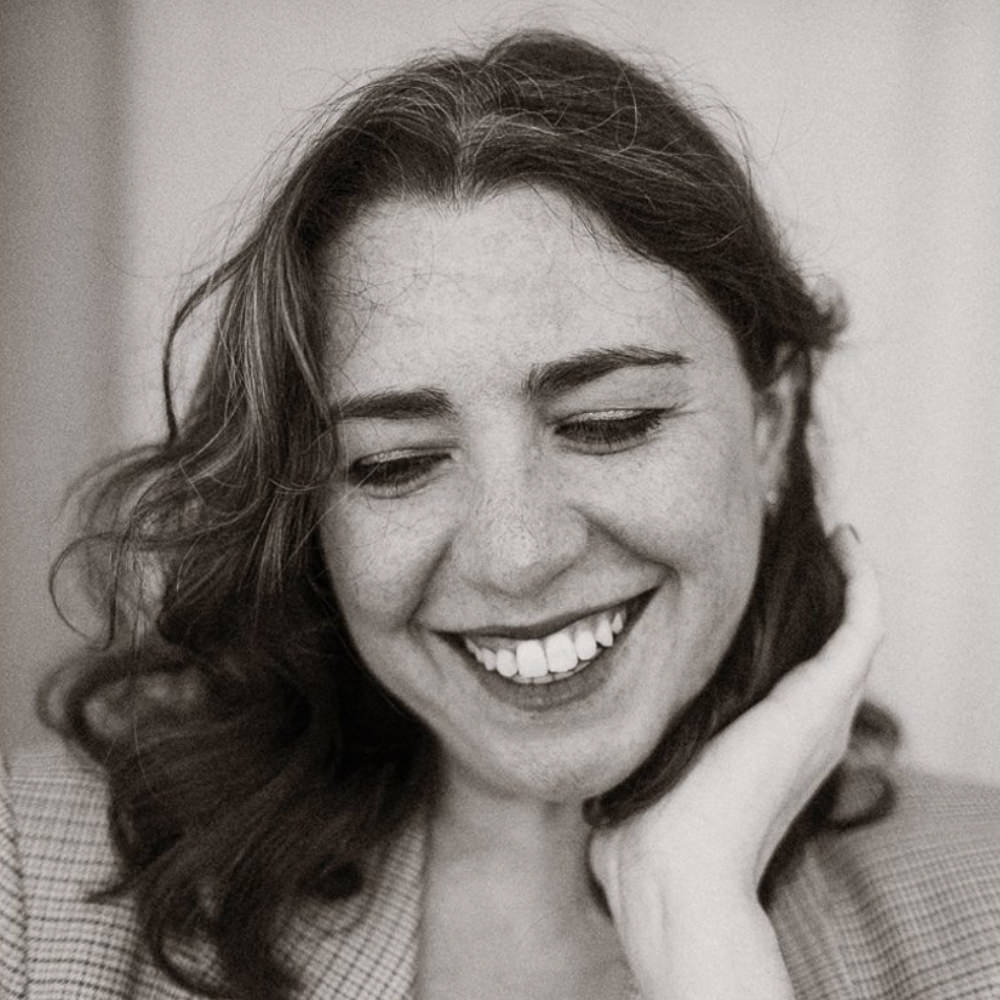
Ana Luísa Pinto PhotographyThe Luminous
summary
When Rui and Ana Luísa set out to talk about photography and art, neither of them anticipated the conversation would veer into something far deeper—inclusion, respect, and love. Yet that's precisely where this episode leads, and it's all the better for it. Ana brings the perspective of a queer photographer who has built her practice on intention and visibility, reflecting on how her work has shifted from self-portraits to wedding photography shaped by a conscious eye toward representation. The discussion winds through the aesthetics of our time, the pendulum of trends, and how the wedding industry finds itself in a unique position to reshape cultural narratives. What emerges is a conversation about the marriage institution itself, not as an outdated relic but as a living, evolving practice that holds remarkable power. The couple discusses queer joy versus the tiresome narrative of queer struggle, the importance of representation that goes beyond performative inclusion, and how professionals in the wedding space can contribute meaningfully to society not through their designs or images alone, but through how they shape the stories and experiences of the people they serve. There's also a fascinating historical thread—how fashion, music, and aesthetics cycle through periods of extremity before finding balance. Throughout, Ana speaks with clarity about her own privileges and the limits of her perspective, even as she advocates for genuine inclusion and the amplification of queer voices. By the end, what began as an industry conversation has become something more philosophical: a meditation on how our work touches lives, how traditions can hold space for radical inclusion, and why the simple joy of existing—of being queer, of being loved, of being witnessed—matters as much as any aesthetic choice.
key quotes
"I didn't think so until now, but after this conversation, I start to think that we have a voice and that we work in an area that maybe—it's probably the oldest event of the human species."
transcript + show
episode: 13 title: "Ep. 13 - O casamento como ferramenta de inclusão, com Ana Luísa Pinto" pub_date: "Mon, 24 Jun 2024 11:26:10 +0000" original_language: english source_audio: "faa8ee6f.mp3"
Hello, welcome. I'm Rui and this is the The Wack Podcast. This week I have with me Ana Luisa from Luminous Photography. Whenever Ana and I meet, the conversation flows in an extraordinary way. We both like to talk, we are both learning to listen and we both like deep and meaningful conversations. After all this, inviting Ana to the podcast was obvious. As obvious as the difficulty we would have in staying focused on industry issues and even more so during an acceptable recording time. And I was not mistaken. But more important than all these details is the essence of this conversation. We had planned to talk about photography and art but we ended up talking about inclusion, respect and love. And I can tell you that I was very happy with this deviation. Without further ado, follow my conversation with Ana Luisa. Hello Ana, how are you? Hello Rui. First of all, it is a great pleasure to have you here with me. We already had the opportunity to have a few interesting conversations. Maybe at times we should have been working, but... Yes. But things flow and they happen. So I really have a great pleasure to have you here. And I think we will try to keep this going for less than two and a half hours. Ok, we will try. I think it is a victory. We will try. And I wanted to start by saying that your work, you too, but now specifically speaking about your work, has always had a very special touch. For me, it is very different from what I do. But it always has something very special. And it clearly has your face, and knowing you, it has a lot of your soul. So, let's talk a little bit about that. But it is one of the main reasons that I really like to have you here. Thank you. I am really happy. I had already told you this, but I think it was good to repeat it for people to hear. I am a big fan of podcasts. And this is the first one I am doing. I am very excited. And I will try to speak slowly, because for me it is a very complicated thing. So, are you willing to tell me to slow down a little bit? No, I will do what you tell me to do. I imagine that it will be the two of us, speakers, who have the habit of speaking on top of each other. How is this going to be? This is going to be fun. It is going to be fun. And I will tell you that I told you a little bit off camera that this is the first one. And it is going to go well. And you, one of these days, will get to the moon on conditions. So, let's all hope for that. Great. I am a big fan. I have been listening to everyone. I am really happy to be here. Really, really happy. Thank you, Rui. Let's go then. Let's start at the beginning. You started in 2008. But you started right away at the weddings. No. So... How long ago do you want us to go? As long as you want. Photography has always been very present in my life. This is the most cliché thing in the world, so to speak. But it is true. I remember that my 10-year wedding, my 10-year anniversary wedding, was the Spice Cam, the Polaroid that is there. I have it there. And as a teenager, on special occasions, I received cameras for my 10-year wedding, so it was always present. And it was never something that I thought as a teenager, to follow as a profession. It was something that never crossed my mind. Of everything I considered to follow and do, it never crossed my mind. So much so that I got a license in conservation and restoration. And that's it. And I took pictures there, I took pictures in high school, I took pictures of various things. And when I was... I got a license, I ended up there in 2007. My sister was born. I stayed with her for a year because my mother worked. So I stayed with her for a year, a year and something. And I went to a master's degree in Portuguese history in the Faculty of Letters, here in Porto. And I was in that master's degree and I was testing, I think it wasn't suitable for academic life, at all. And I started, they offered me a machine that year, my father offered me my first DSLR that year. And I started doing self-portraits. That's how it started. It didn't start with weddings at all. It didn't even start with the idea of marriage. It started with self-portraits, which actually I did with a camera that I had before. I had a small Nikon that turned the camera back and forth. And I thought, I bought that 16 years ago. It was my first digital camera. I was very excited because Charlotte from Sexy City had the same camera. And I really liked Sexy City. So... And I started taking self-portraits with that. And it was something that goes to the drawer. Because I was very ashamed to show it. Like every artist, right? And at a certain point, I came across a group on Flickr, which is where I started posting, a group called Female Self-Portrait Artist Support Group where I realized that it could be a scene. And I didn't stop. So when do you get married? I had my first wedding as a second photographer in 2010. And alone too, in 2010. I spent a time as a second photographer a traditional store photographer here in Porto. I didn't particularly like it. It wasn't really my style. I had a very clear idea of what I wanted. And I was... This week, coincidentally, I came across the person who inspired me at the time who was an American photographer called Steve DePino. I don't know how I got to his site. But I got there. And he's on the Loverly list too. 14 years later, I'm on the same list as you. And I got to his work, and I looked at his work and I fell in love. And I was like, this is possible. It's possible to do art with this. And from there, I looked at it and said, I would like to do this. And I remember being at my grandparents' house with my aunt showing him the site. I remember that his site was playing Hey Soul Sister. Whenever I hear this song, I think of his site. And I looked at it and said, I would like to do this. At the time, there was a friend of my grandparents who had a wedding photography brand. And my grandfather and I were talking and I said, I would like to try it out. He said, look at me for a second. And I said, when? And it was a very traditional thing, a very traditional thing. But I did a lot of weddings and then I felt capable of doing it alone. In the first year, I was completely crazy. And I did it, in 2010. The first one was in 2010. Because you don't think that... Two things. First, that there is an ingenuity that maybe was more usual at that time, because we also started in 2010. Don't you think that there is an ingenuity or there was, of, man, this was cool, let's do it. Because I feel, I look back and I think, the first weddings that Elsa and I did, I had never photographed. The first wedding I photographed already existed instantly. It was by chance a meeting with a colleague of ours before, like a few months ago. And Elsa had gone a few months before me. But it already existed instantly and there were already things and suddenly, let's go. Maybe it's cool. And when it came to the point of the clients paying us I said, follow it, it's all right. We do it and it happens. I don't know, I think we had an ingenuity of, man, this is going to go well. And I think I lost a little bit at that time. I think we completely lost. I think it has to do with the learning curve. And we learn, the more we walk the more we realize how little we know. I think that's a natural process. But yes, there was something. In my case, it also has to do with age, it also has to do with being in the early 20s and everything seems easy to me. And everything is more or less simple. That scared me a little bit, I confess. I wanted to do the path of going as a second or first and to do it not to take it off right away. My will was to take it off my head but I managed not to do it and I managed to pull back a little and say, no, let's try first like this, see if we like it. And then I didn't finish it. That year was the master's year. I had finished the master's curriculum year and I didn't want to do that anymore because I said, no, this is it, I want to go that way. So, let's go there. And you started Luminous right away? Luminous was on a blogging platform that I saw at the time it was my... This has all little stories behind it. But it was the name of an episode of a series that I liked a lot which was The L Word and that was very important in my process of getting out of the closet and my formation as a queer person and at that time I got the name I had a blog with that name and it was all going that way it was all moving forward like this a little bit organic biological and natural from running and when it came to me it was Luminous Tomography and it stayed because it was intentional but it happened in a very gradual way so Luminous as a brand already exists since the self-portrait the brand has been around since 2010 but I started in 2007 I had said that there were two things that I wanted to ask you do you think that you also started more in a perspective of this can't be all like this there has to be some things because it's the time that we were 2009, 2010, 2011 Yes, absolutely These last 10, 12, 13, 14 years a lot has changed in our area, especially in the photographic part then a few years later a lot has changed in the video and I think that now we are in another phase more with flowers and wedding planners maybe a big revolution I speak a little bit of foreign, but I feel it and at that time when we started it was, this can't be all as bad as it seems to me we only knew one or two colleagues that we really looked at and liked and we started more from if it's so bad, we have to do something a little bit more interesting and then we started to meet and things exploded did you also feel that it was a little bit like that? Completely I remember having this conversation in the same conversation I was showing my aunt the photo of Steve de Pino I was telling her, this is it and this is different from everything I saw here and I remember at the time my references were very American I was very connected to the self-portrait community in Flickr, so my references were and still are very Americanized and I remember looking there and saying, I don't know anything like that in Portugal and I already existed, obviously but I didn't have a way to get there I didn't have a way, the internet wasn't what I hear we didn't have I mean, we had access, but we didn't it wasn't something, it wasn't everywhere there was no Instagram, just get to that point as simple as that, there was no Instagram so, it was Facebook it was blogs, it was sites and really seeing that and looking there and saying this person does this and that there was also a girl, Steve de Pino from New York or New Jersey but there was a girl from the South, from the Carolinas I think it was Katie Stoop I was trying to remember, but I couldn't find her stuff but it's a lot more my style because Steve, if you see, his style isn't very similar to mine it's a lot more similar to yours it's a lot more fine art what we call fine art it was a lot more in that line but Katie had a job it was a darker job with warmer colors something a little more aesthetically, even in line with what I do now and I remember looking at Katie and saying I don't see this here I don't see any of this here, so what do I want to do? I think there's a hole here where I can fit and the truth is it was like that I only took the photography course later the professional photography course later I started the professional photography course in 2009 or 2009, 2010 with an external disc that died and sent me everything all year long since then I have everything in 3 external discs for a girl but it was 2 years more or less and when I started the photography course and when I said I wanted to get married the answer I got was well, it's what gives money, right? and I said no, I mean, I guess so but it's not because of that it's because I want to I like it and that's it that was the big change that happened in the last few years, wasn't it? I think so people stopped looking at us from the side looking at us and saying how cool and you can see that in the amount of people entering the market and the quality yes, yes completely, the boom in quality I'm not saying it was bad before because it wasn't bad but it was different in a way that today we're going back to them we're going back to some things that were done 20 years ago and 15 years ago and we're going back to that with that vintage irony but it's really cool to see and to realize that everything in this is cyclical everything in this, we always show it by the mouth yes, but really the big change also has a lot to do with it's not really the photographic style because that clearly changed a lot but the position that the professionals were in because there were always excellent photographers and excellent professionals but I think that we went from in an episode with Ivo where we talked about Everton Rosa we went from the moment before 2008, 2009, 2010 you only had photo factories and then our generation comes in and we wanted to do beautiful and cute things and it was only artistic and it's only art and the money came later and now, fortunately, I think we're finding a balance as a whole, but it's that cultural question it's not the professionals individually but it's the community and the amount of people it's true and I think we're always going to do that movement I think that history tells us that we're always in a pendular movement where, ideally we're in the middle, but if not we go to the extreme of one side, we go to the extreme of the other and we go you spend more time in the middle and it's where you should spend the time but we're always going to have extremes and this applies to everything and I think in the wedding photography, certainly and you feel, clearly, at this moment we're with a trend of the vintage you were talking about but a very crude vintage very extreme literally bursting with all those techniques that for decades were considered normal, aligned things focused, well composed well illuminated, and suddenly you have a bunch of guys having huge success bursting with all of this but I think it's a bit what you're saying, I think we're at that point of the pendulum and it's going to retreat a bit because it's too extreme, at least in my opinion I was talking about this this week with Sofia Ferreira we had a cocktail in the showers which I didn't I don't know we were talking, I was with Sofia, Vanessa Power I was with Andrea Ferraz and we were talking exactly about this about the fact that we're in a turn of something very extreme but that at the same time everything follows, it's not just the wedding this is also a societal thing we're I think we can compare the time we're in now to the end of the 20's and the beginning of the 30's and we talk about this in everything we talk about this in terms of personal freedom of what we have now, personal freedom and what we were in the 20's to the rise of fascism and the extreme right tendencies that we're also seeing and we're not being able to avoid the passage of an aesthetic which is of decadent light and that's where we are now we're going to the aesthetic of decadent light which will have a peak I'm predicting the future, at least I'll be wrong but we'll see, I'm predicting the future and if it happens, what happens in the 30's you have a world war, a big event in the middle, but the other side of the pendulum is the 50's it's a conservative aesthetic it's a much more homely aesthetic much more traditional and the possibility is that it happens to us too that we go to that tendency and we go back, again and we constantly walk in this because in truth, if we analyze what we started doing in the 2010's 2011, 2012 and after it's a much more conservative thing a much more vintage idea a vintage that isn't the vintage of now it's the vintage of the 90's it's the vintage of that Space Girl, right? Yes, and the champagne towers and all that and we were in a vintage of the 60's and 50's and we already had the 70's and 80's so I think we'll always walk in this cycle it's up to us to be able to adapt what we do to what's there, without losing what we do it's difficult I think it's the most difficult exercise we do without a doubt, which is how do you how do you satisfy yourself how do you realize yourself continuing to make money that is supposed to, right? And living in this society, in this world because none of this, we don't do anything in vain we don't take wedding photos without having the societal perception of how things are so it's really really important for me at least I really like to think about it like this that what we're doing doesn't only reflect on our couples doesn't only reflect on what we see on Instagram, what we see on our social media on our websites, etc but it has a role in how society sees things and how society perceives aesthetics and perceives what's around and it's really important Yes, and there's another funny thing with what you say that there are two other points that also explain a little maybe the entrance of the pendulum you're able to go back half a dozen years and we started to have some, at that time many Instagrammers that started to use the hashtag nofilter until then you always had an ennobled beauty in a realistic way you start to have the idea of natural beauty whatever that meant, what it meant at that time and then you get to a point where at this moment we're in the raw beauty, where even the big brands themselves some of the big brands I'm not talking about the classic brands like Louis Vuitton or Chanel that always have a polished feeling but Zara and other brands more current you have this raw feeling this feeling of very raw lighting things that are very blurred, very contrasted very extreme and you feel that and then there's the other which is a very funny comparison I usually use another one which is the musical part, from the 80's to the 90's you have the 80's where everything was glam the big rock bands men, all of them had blond hair, full of curls Brutal things, and the production was always very colourful and exciting. And you get to a point where the culture gets tired, and what comes next is the grunge. Where all the bands, what did they do? Black gang pants, red shirt and so on. And with music, nothing polished. And it's when you look back, I really like history, I really like these parts of the back, because it's obvious that history doesn't tell your future, but it helps you explain this pendulum's balance, doesn't it? Yes, and to see it, I think we're constantly repeating what came before. Let's hope not, because if the 30's doesn't bring us beautiful things. I don't think it will. Most of the time. I'm an anxious optimist. I like that. And I believe it will go well. And I believe that when I think about the future, not a future of tomorrow and the day after, but a future in 5 or 6 years, that it will go well. The immediate thing is that I like it. The immediate thing is that I sometimes have that thing of... Oh my God, what's going to happen? But I'm sorry, I can't talk, I can't do this. You're not in the mood. But you know, I understand what you're saying. I'm not really an anxious person, not at all. I am, yes, a very optimistic person. But there are things, when you have that historical knowledge, especially in the last century, there are things that make you feel bad. And you start to feel, man, this is not serious yet. But it's appearing, it's starting. This looks a bit like a snowball that is still very small. And then you think, no, but we're not going to fall into the mistakes of the past. And then you have an event here that you say, damn it. This is serious. But how did you do that? I'm going to make a comparison here. Because, obviously, I have experience as a queer person in this world. So, I don't think it's news to anyone who doesn't see the flag back there. Maybe whoever hears this... Sorry, guys. I don't know what to do. Videographer, imagine. You married an enemy. A woman. A wonderful videographer. And we have, obviously, an experience that is different from a heterosexual person. So, we are... We are very lucky and very privileged in the way the world around us treats us. Because we have families that support us. We have families that supported us practically from the first minute. We have friends who take care of us. Who take us and who defend us everywhere. But you open a box of comments and things that don't... That, maybe, for a person who doesn't have this experience, are not aggressive. And I read that and I feel at risk. And I feel, effectively, at risk. And there are certain micro-opressions that didn't exist 3 or 4 years ago. When we already had most of the freedoms we have. But they exist. I think we are already on a boring path. But I think we are going to bounce back. I'm sure we will. But I think it might get even worse before it gets better. I think so. I'm very afraid of that, but I think so. But we will bounce back. The other day I was talking about this with Vanessa da Silva, who is also here. And we were talking about how only the existence of queer people is resistance. And it's... So, we will continue to exist. We will not hide. And it will stabilize Africa at some point. I heard something very interesting these days. Not necessarily good, but very interesting. Someone said that, at this moment, the ones in the closet, or were in the closet until recently, were the queer haters. Basically, you had a period... There it is, when everyone was... Or a lot of people, not everyone. But there was a big amount of homophobia. And that queer people were very afraid of being excluded. And that, mostly, or at least on a large scale, has disappeared. That fear doesn't exist anymore, I believe. And at this moment, we've moved on. Or we've moved on to a now... Even if you have those feelings, withdraw them. Or at least learn to deal with them. Or maybe you've changed. But everyone is like everyone else. With so many populisms and so many ridiculous things that we see around, suddenly, it's again acceptable to express hatred and prejudice openly. And that's the big problem. To allow this to be an acceptable thing. There are certain things that allow this to be an acceptable thing. But here we are, to resist. Here we are, to push back. Naturally, you live this in a different way. And more interior. But the truth is that the internet brought this to everything. The internet and the comment boxes brought this hatred. But it's a pseudo-hatred. Maybe it's a real hatred, but in reality, those people don't have any kind of ability to do whatever they want, because they're just and only cowards. But... they have... in the comment boxes, a... I don't know, an escape. Suddenly, I'm going to say bad things about everyone, just because... in the press, there are anonymous letters being... published. But being unpleasant. Let's put it this way. Since there's open press, you have newspapers, there are publications of people saying bad things about others in the newspapers. The comment boxes put this in everyone's hands. And they put this more... higher than it should be. But I still keep mine. We don't live on the internet. And even though this causes... a lot of... It has a lot of potential to cause a lot of damage. And it does. And it does cause a lot of damage. And we're here... I usually say that we're a blessed existence. Me and Amel, too. Because we're both... We have a great privilege, which is being straight-passing. You don't say at first sight that we're queer. We dress traditionally feminine. It's a tradition. We dress as feminine. If we don't have a hand in it, you don't know. And even if we have a hand in it, being two women means being friends. So we enjoy a privilege that straight men don't enjoy. That women with a more masculine or androgynous aesthetic don't enjoy. So we always have a... We have a great privilege with this. But I see people I know who are trans, and who I think are the last bastions of the LGBT struggle that still need to be fulfilled, that still need to be welcomed and respected and have people elevated as they should be. And trans existence is very, very difficult. And very, very questioned. Very... Neglected. And we're working towards that. There's more and more access to health, more and more access to everything and something else. All of this... The boxes of comments cause all of this. Now, it's also up to us in normal life, in everyday life, to be the ones raising our hands and saying no. So let's be us. And even our role in weddings. For example, this is super important in weddings. The inclusion in the way we treat our clients. The fact that we have contracts with bride and groom instead of having clients or couple or person 1, person 2, person A, person B. Whatever it is, everything that is neutral. The binarization... Does the word exist? The binarization... Of the whole existence. Of the whole existence in male-female, her-him. All of this are things that we can do. And we in the wedding industry have access to many love stories and many romantic stories of these people. Including myself. All of this can be taken care of. And this is one of the things that we can do. It's one of the steps that we can take. This inclusion. This... And a thought out inclusion. A considered inclusion. Which I think is very important. Because then you also fall on the other side of having... This is something that... I'm still trying to learn how to deal with this. But let's go. I think it's... The barrier between... Using... Supporting the LGBTQIA community. And using the community to make money. I already got a person that had in their portfolio several gay weddings. Several gay weddings. And when I saw him in person he spoke badly and poorly about the community. And it was a clear use of this. I'm going to use this. It happens a lot in publishing houses. I'm very annoying with this. It's a conversation that I have a lot of times. But it happens a lot with publishing houses. When you see a publishing house where you say how beautiful, there are two women and there are two heterosexual models. Heterosexual photographer, heterosexual videographer, heterosexual makeup artist. It's a group of heterosexual people that get together to pretend to be homosexual. And to pretend that... Well, heterosexual people are always pretending. It will hardly be real couples. But you don't have anyone queer in that universe. But suddenly everyone says let's sell this product. And that for me... I know it hurts me more to be annoyed with that because people are doing it because they love doing it. But it's something that I have some difficulty dealing with. It costs me a little bit. But don't you also think that these people and us trying to bring normality to our own lives? Yes, I have that side. And that's where my doubt lies. I used to live a lot in black and white and now I live a lot in grey. So I think that there's a big advantage in that. There's a big advantage in living. And representativeness is very important. And I see that in myself in a lot of things. Outside of the queer and LGBT issue I see that in self-portraits. I used to hide my self-portraits until I realized that there was a community of women who posted self-portraits and were proud of it. And until I saw that they existed I thought I couldn't exist in that sense. So when you see it, you're creating an existence. You are, obviously. But that analysis that I think is important to do and that we're all at a point where we can do that analysis because queer people live much more openly and live in a much more free way right now is to ask ourselves maybe I'll try to find one of them who is queer. Maybe I'll try to find I'll see who it is around me that I have that is queer and ask, first, what is their input? What is their experience? And how can I use that experience? And let's include queer people in things. Because that's the big question. The big question is editorial creations are amazing to show but they're also networking places, right? It's a bit like using the queer experience to create networking that doesn't include queer people, you know? But I'm trying to deal with that. I'm doing a process of lowering this. I haven't lowered it yet, but I'm trying. I agree with you, but from my point of view it also becomes a bit difficult because, for example, I don't have that networking of models that I know whether they are or not, you know? And I don't even know... Say it? There are agencies. That's what I was going to ask. But you're talking about specific agencies or do you have that information? Because, at the same time, it also becomes a bit strange to think, okay, I want to hire, I want to do this. I'm going to do an editorial with a couple of queer people. How do I get that information? Because this, despite being something that is supposed to normalize us, but it's your personal life. I agree with you. How do you find an intermediary of, I want to represent you, I want to be the most genuine with this, being an editorial, as you said, that are invented things. How can I find the best of both worlds? I want to create representativeness, I want to create a good portfolio, I want to do a cool project and I want to be the most faithful to this without invading people's intimacy and saying, look, are you gay? How do we do this? That's the challenge. I'm already starting to see agencies specialized in representing queer people, from any spectrum, from binary to non-binary. Look, I don't have huge answers for you, so I have to say this is something I'm also studying. I'm also starting to see and understand. But there are agencies that do that. It's an invasive process, it's true. We can't get to a person and say, are you gay? Are you gay enough to be photographed? Are you gay enough? Are you gay enough? Because there it is, sorry. But it's like you said at the beginning, in your case, and with Melanie, you clearly are not... There are people who are more expressive, by the way, there are people who are more expressive than heterosexuals and there are people who are much less expressive than homosexuals. And there it is, because living in that community, having that experience, you have a completely different experience from people who are not. And I, living in such a small bubble, in such a small area as I live, there are very few people I know. And then, even though I'm... How do I say this? For me it's completely irrelevant, what matters is the people and what you are. Everything else is fine for me, but in a way, if you want to create that representativeness, you have to do housework, which is difficult because it means I'm interfering in your intimacy, in your being. And you are an expressive person and open about these things, but not everyone is. It's really a difficult situation to manage. It's difficult to manage and now I'm going to move on. I think it must be difficult to manage. I think... I think I prevented that. But at the same time, no. Now I'm going to go back, do a little bit of backtracking and say no, it shouldn't be difficult. It shouldn't be difficult. This is only difficult for people who are aware. For people who are not aware and who use and abuse it's not difficult. It shouldn't be. It shouldn't be, it's true. But it's a process and I'm going through it. I have several styles in my head that I really enjoyed doing and that I have a hard time putting them in order exactly because of that. And I'm a person who knows queer people and who can organize more or less, I can't organize in the sense that I can think, name several queer people who work in this area and it doesn't have to be just the models. It can be. The models can be... I don't like the thing of pretending to be gay, as I say. Let's pretend to be queer, right? I don't like that especially. But I realize that in the same way that this happens, if a model is homosexual and if a styleshoot is a heterosexual couple the model is going to do it. I also know that this happens on the other side as well. I think it's not just about having models who are queer. It's about looking around at the people who are participating in the editorial. We are usually 7 or 8 because you have different brands. You have cakes, flowers, decorations sometimes celebrities and realize because we know these people most of the time, right? I'm taking into account their existence in this world. I think that's very important. That's where we get to. I'm respecting their place in the world. I'm giving them a stage. I'm giving them a place to speak, which is very important. Or I'm speaking for them. This is something I ask myself as well. Especially with all the privilege I have for being straight passing. I look around and say I don't pass, that person does. It's very important to have this perception and open up our perception to this existence and how we can include it. I think this is what we can do to improve what's coming in and what's coming out. I think this is our role. Do you think this fight is not particularly difficult in the world of marriage? You're talking about an institution which is probably the oldest institution, the oldest event in the human species. It's such a classic thing that most modern people didn't want to get married because they thought it was uninteresting. Don't you think that at the same time it has a huge force and at the same time it's particularly difficult? I think it's particularly interesting. Me too. It's difficult. But I think it depends on the people. I think you have so much. There's something I realized when I got married. I realized we got married in November and then in April we had a wedding. I watched Mel at a wedding and I saw her second at a wedding that was photographed by the Atmosphere, Sandra and Miguel. Beautiful. Two women. We had the perception that in a different way than a heterosexual marriage, in a queer marriage everything is intentional. There's nothing immediate. There's no such thing as who comes in first and who comes in last. Everything that seems immediate in a marriage isn't. It has to be thought out. There are people who think more about it. We don't think much. We just want to get married. It's like running. But in that particular marriage everything was thought out. I think it always depends on the people but I think it's a very cool area to explore this. Leaving the queer spectrum, let's leave the queer experience and enter the feminist experience. Entering the experience of people with more gender awareness, with more societal awareness where you start to see that people start to challenge the rules and start to change things. And there's always the general. But I think we have such a great opportunity to change the way things are seen and the way things are done. We're not doctors, we're not architects, we're not engineers, we don't build houses, we don't cure people. We can feed people, we feed ourselves, but what we can contribute to society I think is very cool. Yes, it's really interesting because, especially in marriage, you have the roles of the man and the woman. The man is in black, the woman is in white, the man is waiting for the bride, and so on. But some of them, to me, being a heterosexual man, cause me some confusion. For example, sometimes it's like that, but she always asks me when I'm going to have dinner. And I say, I don't have to take you, why don't you take me? They do give me some commission, but they are so... ...tied up, so entangled in our existence... ...that some of them... Ok, we're not going to give the same importance to everything, because things have different importance, but... ...there are things that you really need to have... You really have to fight with your dead angle... ...and all the prejudices. I don't know if you've seen the This Is Us series. No, I haven't. You've never seen it? I cried too much in the first two episodes, I stopped. Ah, ok, but you started, you started. I started, I couldn't deal with it. No, I get it, because it's at all levels. It's one of those series that is made to make you suffer from start to finish. It's amazing, one of the best series I've seen in my life. I didn't finish it, because it's in the last season. I was dragging it, I was dragging it, and then I suffered a lot, I had to watch one of those episodes, it was terrible. But there is a moment in which really... There is a moment in which really... ...here it's more... ...in relation to color prejudice... ...but that marked me a lot. You must remember Randall's character... ...who is the... ...the brother, who is not a brother... ...who was adopted... ...who is a brother... ...but he is black... ...and then he, as an adult, has this conversation... ...that he says... ...the brothers... ...he talks to the brothers and he says... ...you have no idea... ...I know you've always tried to do the best for me... ...but simply because of that you don't have the ability to understand what it means to me. And there is a moment in which he says... ...I feel guilty for feeling certain things... ...because I had a white family... ...that adopted me... ...and I've always had amazing parents and amazing brothers. The fact that I've had that experience... ...doesn't mean that you understand exactly what it is to be in my skin. Because there are things that are part of a humor... ...and then the episode is spectacular... ...I'm laughing all the time when I talk about it... ...because it's a conversation between amazing brothers... ...in which the brother says... ...I'm sorry, but I really had no idea about those dead angles. This is a common conversation in my house... ...for a very simple reason... ...I have a 16 year old sister that is black... ...so I'm the white part of that conversation... ...I try to protect her... ...and I try to integrate everything that happens to her... ...she has had several instances of dealing with racism... ...since she was little... ...and she tells me... ...she tells me regularly... ...you don't know what it is... ...even because your experiences are different... ...yours, as you say, is straight passing... ...so only those who know you better... ...can eventually have something to say... ...good or bad... ...she doesn't. I think that in compensation... ...and I'm very vocal about this... ...straight passing doesn't mean that you hide... Yes, but it's not visible... ...it's not visible to everyone. It's not... ...I'm very... ...I scream a lot about this... ...I'm very active... ...about the LGBT issue... ...but it's not the same thing... ...it's not like my sister being... ...the only person in a group of 5 kids... ...who goes to the supermarket... ...and the only one who is asked to open the bag... ...and these are recurring experiences... ...when she was younger... ...it was a recurring experience... ...so we're never in each other's shoes... ...we're always in ours... ...and we have our experience... ...we can live with our experience... ...and you know what you're saying... ...it's seeing our dead angles... ...it's being able to understand our dead angles... ...and being able to... ...above all... ...I think... ...include... ...and give space... ...to the people who are serving or being represented... ...to exist... ...and to... ...and to be part of it... ...and to elevate the discourse... ...I think it's... ...I think we can do that with marriage. Marriage can be that pillar... ...that changes a lot... ...and also... ...even in the gay issue... ...in the queer issue... ...it's always been a big fight... ...and then... ...I saw a lot of people saying... ...a lot of people saying... ...I don't want your institutions... ...I want ours. Mine, exactly. But... ...on the other hand... ...you know that... ...that is... ...it's almost like a flag... ...if you conquer this flag... ...ok... ...then I'm going to decide what I want... ...but first let's... ...let's send the walls down... ...let's send... ...I can. It's a level of validation... ...it's a level of validation... ...that I... ...being very honest... ...I didn't even know I needed to have... ...the difference... ...and we... ...we joke a lot about that... ...me and Amel got married on the day we were 11 years in love... ...so... ...we've been together... ...for 13 years this year... ...and... ...I didn't know... ...how relevant it would be for me... ...to have the validation of being married... ...and it was a surprise to me... ...and it didn't change anything... ...it didn't change anything in our relationship... ...in our way of being... ...but me being able to say... ...my wife... ...my wife... ...I joke a lot about that... ...sometimes... ...I'm with that wife... ...we say it in Portuguese... ...I like to say it in English... ...wife... ...we speak English at home... ...so... ...our language... ...common English... ...and... ...being able to say... ...my wife... ...is... ...I... ...I don't have an heterosexual reference... ...so I don't know if it's the same... ...but it's... ...a funny thing... ...well, let me share with you mine... ...which is not related to that... ...but it's from another point... ...which is in the religious part... ...I'm not... ...Catholic... ...I'm not... ...I don't believe... ...I have my spirituality... ...which is not attached to any... ...to any religion... ...on the contrary... ...it's pretty far from all of them... ...but I got married in a church... ...I got married in a church... ...because Elsa was always very... ...she was always... ...she was a catechist... ...my parents... ...and my in-laws... ...are very... ...they're not really... ...my in-laws are more practicing... ...my mother and my father... ...my mother-in-law and my father... ...they don't really care... ...but they're... ...they're people who are related... ...and who have that taste... ...for... ...for... ...for religion... ...and I got married... ...simply because of that... ...this doesn't mean... ...this isn't just mine... ...this doesn't mean... ...this isn't just mine... ...there are many people... ...involved here... ...and I don't have... ...any problem... ...in... ...doing this... ...sacrifice... ...but do them the favor... ...and... ...and... ...that's it... ...I didn't really need... ...that event... ...but I can tell you... ...I started crying... ...at 11am... ...and I finished at 5am... ...the next day... ...when I had Elsa... ...getting into... ...and more... ...we've been living together... ...for a year and such... ...we already had a daughter... ...of 14 months... ...and when I saw Elsa... ...and when I saw Elsa... ...getting into... ...the altar... ...not the altar... ...the church... ...with Beatriz around her neck... ...I cried... ...this world and the other... ...I... ...you know... ...I was... ...Elsa was joking and saying... ...it looked like a funeral... ...so... ...I also didn't have the notion... ...that... ...that moment... ...would be as important... ...as it later became... ...it was really... ...I think... ...I won't say validation... ...because they are... ...different contexts... ...but... ...for me... ...emotionally... ...that's it... ...it's a bit like saying... ...we are not just boyfriends... ...I know you can say that... ...but we are not just boyfriends... ...there is something else... ...that this... ...this event... ...created... ...and going back a bit... ...to the beginning of the conversation... ...it's... ...putting down... ...that wall... ...of... ...no, you can't do this... ...but now you can... ...now... ...whether you want to do it or not... ...it's your choice... ...it's... ...it's a matter of choice... ...right? ...we are in the 50th anniversary... ...of April 25th... ...let's use the choices we have... ...exactly... ...and I think it's really... ...this is not for everyone... ...obviously... ...this... ...everyone has their own personal experience... ...and their... ...their own way of seeing this... ...I... ...we get married... ...not only because... ...we are completely in love with each other... ...and because we really want to do this life together... ...but there is a rational and practical part... ...in the fact that we get married... ...and in the fact that we, as a relationship... ...we are much more... ...susceptible to discrimination... ...than a heterosexual relationship... ...during Covid... ...we... ...and we... ...we've been saying this for a long time... ...but during the pandemic... ...in which there was that panic of... ...you go to a hospital and have to be connected to a machine... ...she wouldn't have a choice... ...we weren't married... ...we were in a union, in fact... ...but we weren't married... ...she wouldn't have a choice... ...it would be my parents... ...and for me it was very important... ...that this existed... ...it was very important that she was validated as... ...my primary family... ...because... ...we came from the parents... ...and the parents continue to be the family... ...and the families continue to be the family... ...and I have an incredible family... ...and big... ...and... ...brilliant... ...the Tuga family is typical... ...I laugh all the time and it's great... ...and Amel is the same... ...a German version... ...but yes, also Tuga... ...very cool... ...but we wanted to make our own family... ...we wanted to make our own... ...and even though... ...children are a priority... ...not being... ...well... ...being our family unit... ...the two of us... ...to which we are decoupling... ...and I'm... ...very committed to our friends... ...I think that friends are... ...most of our friends are family... ...some are closer, others... ...more distant, but... ...they're family... ...we wanted to create this family unit... ...and marriage as the creation of a family unit... ...is super important... ...and I... ...really have a hard time... ...in... ...in understanding a universe... ...in which you deny that to someone... ...whatever it is... ...because... ...well, obviously... ...there are limits to reason... ...but within the experience of adults... ...with consent... ...with... ...with respect... ...I don't understand... ...or deny... ...the concept of family to anyone... ...and I think... ...it's not necessary... But let me interrupt you... ...to say something... ...it's not denying the notion of family... ...it's... ...conditioning your... ...vision of family... ...to someone else... ...that we've seen more recently... ...none of us has the right... ...there it is... ...my family and yours... ...have many different things... ...I have a heterosexual family... ...with three children... ...which really... ...what we don't have at home is peace... ...yours... ...are two women... ...who... ...at least in the near future... ...don't have children... ...have cats... ...who am I... ...to question... ...you see... ...and the question is... ...it's really that... ...what do we have to limit... I think it's... ...I think it's relevant to say... ...that marriage... ...a family to be a family... ...doesn't need marriage... ...at all... ...it's absolutely clear... I, for example, am not married to my parents... ...right? Yes... You and I have friends... ...who are not married... ...and who are a family... ...without any shadow of doubt... ...but it's an extra validation... ...and in the case of relationships that are... ...by definition... ...and by the society in which we live... ...more vulnerable... ...which is the case of queer relationships... ...it's important that there is this... ...that there is this notion... ...and this perception that... ...by denying marriage to people of the same gender... ...we are denying... ...the family's constitution... ...and this can be done in other ways... ...you can make a will... ...you can do... ...you can have a search... ...you can have... ...there are many ways to do this... ...it's not the only one... ...marriage is not the only way... ...but... ...it's one of them... ...and the others are accessible... ...and for a long time... ...marriage didn't exist... ...so... ...I think that... ...the importance of what we do... ...and there it is... ...the importance of what we do... ...it's... ...it's really... ...I think we are very important... ...totally... ...I think we are very important... I didn't think so until now... ...really, now... ...after this conversation... ...I start to think that we have a voice... ...and that we work in an area... ...that maybe... ...it's probably being... ...the oldest event of the human species... ...that has always had... ...its... ...rituals... ...and... ...that's why we always had it... ...for sure... ...and they were changed... ...but it always existed... ...it's probably that it's really... ...the oldest ritual... ...I think that it really has that representation... ...because there are other things that are only theoretical... ...or that are only... ...legal... ...but... ...this emotional question... ...cultural... ...that crosses the whole world... ...all countries... ...all religions... ...all peoples... ...have this... ...have this event... ...when we are shaping this event... ...maybe we have a voice... ...much higher than what we think... ...and at the beginning of this conversation... ...I didn't think so... ...and now I start to think so... I think so... ...I really think so... ...in its base... ...marriages are a luxury... ...in its base marriages are not... ...the marriage that we work with... ...is not a necessary marriage... ...you can go to the post office with 200 euros and houses... ...but the institution... ...and the fact that... ...we are the vehicle... ...through which people see... ...marriages... ...makes us have... ...a very relevant role... ...in the creation of the aesthetics of our society... ...and the creation... ...and the aesthetics... ...and we fit in the aesthetics of our society... ...so... ...we fit... ...queer couples... ...non-binary couples... ...heterosexual couples... ...all people... ...all the experience... ...of love... ...in its representation... ...of marriage... ...it's not necessary... ...but... ...but it exists... ...we are the vehicle... ...of this visibility... ...of this visibility... ...and I think it's cool... ...and I think it's a privilege... ...but... ...I think it's a privilege... ...to do with so many people... ...to all levels... ...exactly... ...so... ...I have a number of questions... ...to ask you... ...that don't interest me at all... ...well, then ask them... ...well, it's just that... ...actually... ...the state... ...the state... ...in which I am at the moment... ...where my head is... ...has absolutely no interest... ...in all the rest... ...it doesn't interest me at all... ...so I'm going to forget my script... ...and I'm going to ask you the other thing... ...which is... ...what do you think that we... ...as a community... ...and we're going to think about our little community... ...in our little group... ...in our little country... ...what do you think that... ...and I'm not going to ask to solve the problems of the world... ...but... ...that's for your love... ...for your return to the podcast... ...we don't have to leave that... ...until then... ...like... ...you think about it for a year... ...and then you come with the solution to the problems of the world... ...exactly... ...but... ...what do you think that we... ...could do for this... ...to start taking these little steps... ...to climb these little steps... ...small things... ...for small advances... ...I think it has to be said that... ...I don't speak for a community... ...I speak for myself... ...so it's important to realize that there are things that are... ...and there are things that are limits to other people... ...that are not for me... ...and there are things that are limits to me... ...that are not for other people... ...so I think it's important to have this perception of... ...when we ask a person... ...we ask a person... ...we don't ask a community... ...disclaimer made... ...look... ...I think that... ...inclusiveness... ...in all the language of sites... ...is important... ...I think that... ...inclusiveness in... ...things as simple as contracts... ...like questionnaires... ...like... ...it goes from things as small as these... ...and that are relatively easy to change... ...like... ...not letting go when things happen... ...not letting go when there are instances of... ...tomophobia, of comments... ...not letting go... ...and we're not all made for that... ...we're not all... ...I'm a person who doesn't have a lot of trouble... ...in facing things... ...normally... ...and when this happens I usually speak... ...it's not always like that... ...I'm not always prepared... ...but... ...but I think that... ...taking clear positions... ...creating an inclusive language... ...and realizing that our language is evolving... ...and will continue to evolve... ...and it's always evolving... ...but there's a very particular evolution right now... ...for the issue of... ...in Portuguese specifically... ...for the issue of the adoption of neutral pronouns... ...and of neutralizing the language a little... ...so that it's not... ...neither binary... ...nor completely heterosexual... ...nor completely homosexual... ...right? ...so that it's inclusive for everyone... ...and it's really about inclusiveness... ...in everything... ...it's... ...I think the most important thing is to ask... ...and I think the most important thing is... ...when you catch people... ...other queer people... ...so that I'm not your only example... ...when you catch other queer people... ...who... ...who like to talk... ...ask... ...ask whatever you want to ask... ...let them ask... ...because I think everyone's experience is different... ...and I come from a privileged experience... ...not only because of the Straight Pass... ...but because I have a family that didn't kick me out of the house... ...because I have a family that... ...I could start... ...for everything... ...because I started in this business without debt... ...because I had a family that gave me machines... ...as simple as that, right? ...so my experience is a very... ...very privileged experience at all levels... ...and I think it's asking... ...and I think it's leaving room... ...and it's leaving... ...and it's giving room for people... ...queer people in our industry... ...who are not few... ...uh... ...many maybe don't talk much about it... ...but... ...but those who talk... ...those who want to talk... ...it's giving room for that... ...and I'm not talking about myself... ...but I think we know a lot of people... ...who have... ...who have a place... ...and who have... ...and maybe want to talk... ...and maybe have... ...and will certainly have their perspective... ...and their way of being... ...and some time ago... ...I heard something very interesting... ...that we have this common phrase... ...uh... ...this common place... ...treat other people... ...the way you want them to treat you... ...but I think we can evolve a little bit... ...which is... ...treat people the way they want to be treated... ...exactly... ...exactly... ...that's a recurring phrase... ...in the LGBTQ discourse... ...because... ...exactly... ...there are things that are so simple... ...and make them so complicated... ...the question of pronouns... ...the question of treating people by the right name... ...not doing the deadnaming... ...deadnaming is when you treat a person... ...as if they abandoned you... ...uh... ...all of this... ...are things that are so simple... ...and so easy to do... ...and so... ...that require so little effort... ...I think there is a very simple way... ...we all identify with that... ...most of us... ...not all of us, of course... ...but a lot of people had... ...small hiccups... ...be it at school... ...be it... ...in childhood... ...be it whatever... ...some are super cute... ...the others are some... ...that you even like... ...it's my case... ...I got it from Capi... ...from Capitão... ...uh... ...one of my friends... ...by the way, there it is... ...I didn't cry... ...it has a funny story... ...but... ...it looks like something... ...but it's not... ...but we all have that experience... ...and I... ...I have the memory... ...of some of my schoolmates... ...that had hiccups... ...that weren't particularly interesting... ...when you meet them years later... ...and I already have it in my blood... ...man... ...I'm not going to treat him like that... ...because it doesn't make any sense... ...it's just stupid... ...in other words... ...in other words... ...from the moment... ...we take an identification... ...and we say... ...I don't want to be known for that anymore... ...that's not something that identifies me... ...it's something that... ...in a way... ...offends me... ...why can't you... ...look at who you have in front of you... ...that went through a lot more... ...uh... ...than you think... ...I mean... ...there are people that... ...in adolescence... ...went through a lot... ...but I'm not referring to those extremes... ...they are just hiccups... ...that could be funny... ...at the moment... ...and then they stopped being... ...why can't you identify yourself... ...have that empathy to say... ...ok... ...this could mean a lot more to you... ...than I imagine... ...so... ...how do you want me to treat you... ...I think about this in a very simple way... ...even about you and yourself... ...I try to treat you... ...I try to be treated by you... ...but I realize that some people... ...have a little more difficulty... ...going to you... ...ok... ...well... ...I also make peace with that... ...but... ...they are those... ...small things... ...that you can think... ...perhaps... ...this could be more important... ...to the other side... ...than it is to me... ...so I'm going to ask... ...ask for a little effort... ...ask for a little effort... ...I think so... ...I think that's it... ...and I think we're walking to a cool place... ...I think we're really walking to... ...to a way of being... ...different... ...and there are things that... ...obviously I would like to see more... ...awareness... ...and more... ...well... ...what we talked about... ...to understand people's spaces... ...and to understand the space... ...the space of speech... ...but... ...but other than that I think we are... ...I think that as a community... I think that in reality... ...as a society... ...we are... ...we are better than we ever were... ...I was going to ask you about Artificial Intelligence... ...but I think maybe not... ...it was so good... ...we were... ...we were ending so well... ...but I... ...look... ...I have... ...I have something for you... ...and I have... ...and I have things to talk about... ...Artificial Intelligence... ...you know it's a topic... ...I said it was a topic... ...I know... ...that's why I wrote it down here... ...to talk to you... ...but... ...but I don't have a problem... ...I speak very fast... ...I'm joking... ...we have to do a part 2... ...to talk about Photography... ...but look... ...Ana... ...I think... ...I was excited to talk to you... ...I was excited with this conversation... ...I hadn't planned anything we were going to talk about... ...but I think... ...but I think... ...sincerely... ...I think sincerely... ...it will have been much more important... ...and I think in the future... ...it can become much more... ...relevant... ...than what we are talking about... ...about Photography... ...because we always have the opportunity to talk about it... And that's why, from my side, and from everyone listening to us and I think we can reach people who may be in some of the difficulties and some of the dramas that you've been through and continue to be but for all of us, thank you very much for your opinion and for your insight. I think, let me just finish with one thing, because I think it's important, it's an important thing to say. The LGBTQ and AP representation that you normally see on TV, that you normally see in the movies and that you see in a lot of things, is a dramatic representation. It's a representation that focuses a lot, a lot, a lot on telling the stories of the difficulties which is a very important thing, which is relevant, it's what creates empathy, it's what shows you and you were saying, the things we've been through, the dramas we've been through. I think, as a queer person, one of the most important things that we can go through and that's our privilege in marriage, is the queer joy, the joy of being a queer person. It's the fact that our existence is a basic existence, which has a few more difficulties but that all existences have, and that joy is so little represented. The difficulties are so little represented, joy is so little represented. In a way, it represents the compelling future. Yes, and it's not a future, it's a present, it's a... Yes, but for some people it can be a representation of their compelling future. Exactly, it gets better. If you're in a place where things are bad, there's a possibility that things will get better and there's always a possibility that things will get better. But the representation of the queer existence as a joyous existence... The word joy in Portuguese sounds a bit light. I don't know, I'm saying joy and it sounds a bit light. But, Corrismo, the literal translation of queer isn't something like joyful or... No, it's weird. Queer is weird. Weird? That's why... Weird and joyful? No, that's terrible. Terrible, terrible! No, no, no! Everything that interests in this world is weird. It's true. Because otherwise it's just normal. It's true. I remember in The Crown, when I was in Olivia Colman's phase, the queen would say, she's quite queer, isn't she? And it was weird. It's a term that keeps me awake, because the word queer is just something that, at least for me, makes it so I don't have any explanations. My biggest identification would probably be pansexual, because I'm not interested in gender, I'm not interested in the person, but not having to explain what pansexual is, what bisexual is, what... You're on the Kinsey scale. Queer, for me, is a umbrella term that fits me well, so I live well with that. But the question of queer joy, and the happiness of existing in this universe, which is something that isn't very represented, and it's something that I think we can represent more, and not make it all ethereal about suffering, and let it go, and longing, and whatever, but make it about joy. Make it about the joy of our existence, and the joy of us being here, and of being here, and of living, and not only living, but living. I think it's a very important thing. So thank you for giving me the space to talk about it. You don't have to thank me, it was a huge pleasure. And now we'll have to do a second part, you'll have to come back here in one of the next seasons, so we can talk about photography. I haven't said anything about what I thought I was going to say, nothing. Me neither, but look, this is one of those interesting points. Sometimes I'm happy to be able to follow an alignment, and have a well-aligned conversation, and this one was completely misaligned, for something much more interesting than what I thought. Well, we'll see. Very good, I'm very happy, really. Me too. Well, a kiss, thank you very much. A big kiss, thank you. And see you next time. Bye, bye. Bye. We've reached the end of this episode, and if you liked it, I ask you to subscribe to the podcast, and see you next week.
New episodes, twice a month. Be the first to hear them.