
Episode 23 · Season 1
"Quem está no caminho certo, apoia-se!"
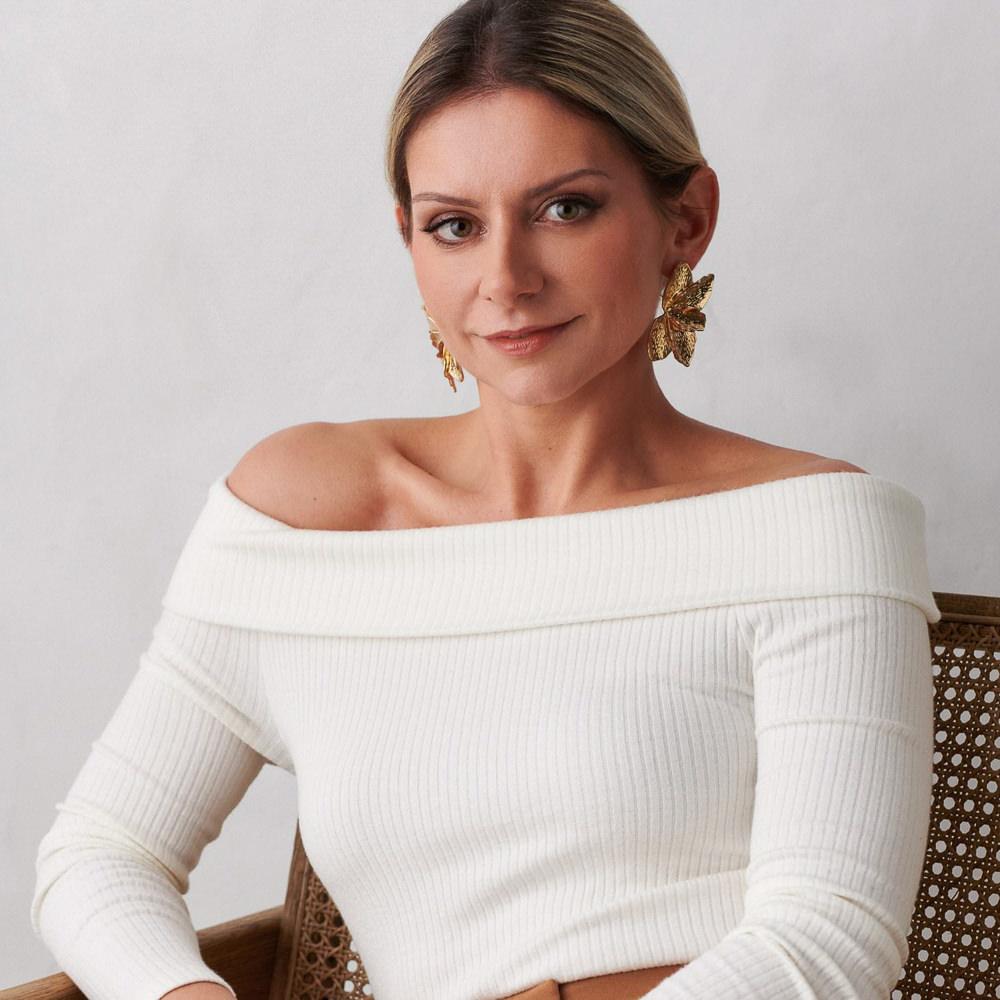
Isabel Passos PlanningThe Cracha
summary
Isabel Passos arrives at this conversation with a title that encapsulates her philosophy: "Whoever is on the right path, supports themselves." The episode becomes an exploration of what it means to build solidarity within the creative community—not out of obligation or transactional benefit, but out of genuine recognition of shared struggle and shared purpose.
The central tension Isabel articulates is refreshingly honest: the wedding industry is simultaneously a collaborative space and a competitive one. Professionals need each other, yet they're also competing for the same clients, the same visibility, the same opportunities. How do you navigate this without either pretending the competition doesn't exist or allowing it to corrode genuine connection?
Isabel's answer involves something like mutual recognition. When you see another professional doing excellent work, you celebrate it. When someone is struggling, you don't look away. When there's an opportunity that doesn't fit your practice but would be perfect for someone you know, you pass it along. These small acts of solidarity, she suggests, create an ecosystem where everyone has a better chance of thriving.
What's particularly valuable about her perspective is the refusal to romanticize. She's not suggesting that everyone in the industry should be best friends or that competition is somehow transcended through positive thinking. Instead, she's articulating a more mature form of professional relationship—one where you can respect someone's work, support their growth, and still maintain healthy boundaries around your own practice.
The episode touches on the particular vulnerabilities of creative professionals. Unlike industries with clearer hierarchies or more standardized outputs, wedding creatives are often building alone, making decisions with limited feedback, and navigating client relationships that can be deeply emotionally charged. Having genuine allies in this landscape—people who understand the specific pressures, the particular uncertainties—becomes genuinely valuable.
Isabel's framework also addresses something rarely discussed directly: the ethics of building community. It's not just about "networking" or creating mutually beneficial professional relationships. It's about recognizing that you're all in this together, and that your choices about how you treat others reverberates through the small, interconnected world of the wedding industry.
For anyone building a creative practice, this episode offers practical philosophy. It suggests that success isn't purely individual—it's partly dependent on the ecosystem you're part of and the quality of relationships you cultivate within it. It's an invitation to examine whether your own practices align with the community you want to be part of.
key quotes
"And that's it, I've been in this wedding life for about 12 years and today we're all here together, yay!"
"Speaking in Portuguese, I also thought this was important, because it exists in other languages, in English, and also in Brazilian."
"Or the person said this and I let it pass because I was reading or looking at the next question."
"That sometimes I like to hear, and I'm afraid to talk more, but I also feel I can have important tips to give to brides, and eventually to some suppliers, for the work of each other, because here I will be valuing the florist, for example."
"Just to make a parenthesis to that, I also think it's necessary, I think the whole industry needed to get to know the world."
"When we are just sending messages because we want it to come out of our heads, from then on, no."
"We are all on our own path, there are those who are ahead, there are those who are ahead, there are things to learn from everyone."
"In the same way that you are not going to hire a doctor who does not have the training and specialization, nor a lawyer who does not belong to the order, because he cannot exercise if he does not belong to the order, a psychiatrist or whatever, they should also not hire a matchmaker who has absolutely no validation, or any experience, or any real contact with what is the wedding industry."
transcript + show
episode: 23 title: "Ep. 23 - "Quem está no caminho certo, apoia-se!", com Isabel Passos" pub_date: "Mon, 02 Sep 2024 05:00:00 +0000" original_language: english source_audio: "d5f5ea2f.mp3"
Hello, welcome. I'm Rui and this is the The Wack Podcast. Hello, welcome to the Wack Podcast. And this week, I've shared this a few times on this podcast, but between the years 2019 and 2023, due to the pandemic and not only that, we were very focused on our personal lives and our family. We were in professional survival mode, trying to do our best at each phase and it wasn't easy. However, the interesting part of getting out of our bubble and opening our eyes to the world out there was to see the growth of some colleagues and friends. And today I have the pleasure of talking to one of those people, Isabel Dakarachá. We had the pleasure of working with you a few times. I think the first was in 2018, at the Mundo Verde, at Janice's wedding. Yes, yes. Which no longer continues, as you should know. It doesn't happen anymore. It doesn't happen anymore. Yes. But getting out of that bubble and realizing the wonderful work you've done and the growth that Akarachá has had, was really extraordinary. I was really happy for you and, in general, for all of us, because great professionals are never too much. So, I want to thank you for being here with me today to talk a little bit, to share your journey and your experience. So, thank you very much, Isabel. Welcome. Thank you, me, for this invitation. I've been following you since you started, I don't know, which was an interesting initiative. I've been watching some podcasts in this area, which I think makes perfect sense. I think we all need to share a little bit more our experiences with the other providers and also with potential customers, and customers that have already been our customers, whoever is fit and willing to listen. And I think you did it in a very... Although we're not here in a built-in studio and such, I think the thing is... The content is well done. The format you've done and the choice of who's going to follow who, the connection of the themes, it makes sense. And I'm very happy and proud to be part of this project. I'm very happy. The great difficulty I have now in the alignment is to think, there are so many people, so many areas, so many things and so many people I wanted to talk to, and I only have four or five episodes per month. And worse, I don't have time for everything. Because otherwise I would do two episodes a week easily, but that's one of the parts that is a little bit more difficult to manage, but let's move on and see. Returning to our conversation, I'm going to ask you that question that has to be, to contextualize the thing, which is how did you get to the world of weddings? How did you get here? I can tell you that I've told this story a few times, and it's on our website for everyone to read. I was born a little bit in the world of parties, because I'm the daughter of a very large family, with many cousins, and with many uncles and great-uncles, and it was always a very large family that had many parties. And so much so that we had a house, which was my great-grandmother's old house, which became a house of events, and therefore we had weddings, and we always had a family party, we were about 50, 60 people, so we always needed a space, and we ended up going there, and the space ended up being also a space for other people, my sister married there, I was still very young, my sister is much older than me, but I'm the daughter of a family that always welcomed people, we always had parties at home, we lived in an apartment, I'm going to be in this all the time, we lived in an apartment, and there were carnival parties, there were parties of my older brothers, I always celebrated the years, since I was three years old, at home, because we were always people who welcomed other people, and who wanted to listen to music and always be at parties, and therefore all my growth, since I was a child, then going through adolescence, when I quickly wanted to start going out, and meeting people, and what I wanted most was to tell stories to people, for people to tell me, I always wanted to meet people and be with people, I always wanted a big family, so for me to be isolated is just to rest, and sometimes I don't rest so much because I like being with people, I get upset when I'm alone, and therefore the number one reason that leads me to have a profile, that made me want to do this, was really my childhood and my family, and then it all started with me living outside of Portugal, and at the time I had to go back to Portugal, I had several friends in the design area, I was trained in product design, which was for a short time linked to the interior design area, even being a product, I ended up always being associated with the collection store, I even designed stands and fairs, and my last job before being a wedding planner, was in Mozambique, in Maputo, quite far from here, but where the same language is spoken, but where I was forced to speak English almost all the time, because I worked with South Africans and with decoration, and at that time I was loving all that thing of meeting new people, of working for people who lived abroad, which was a type of work that was done a lot in patriotic countries, it wasn't with people from Mozambique, we worked, we did house decoration for a lot of people there, which was from other countries, people coming from South Africa, people coming from Brazil, from the United States, Switzerland, so I spoke a little Portuguese, even though I was in a Portuguese colony, and I was forced to come to Portugal, because at the time the person I was in a relationship with had to return, and we were there as a couple, and I also came back, and I came back empty-handed, I was loving the work I was doing there, and I was already there wanting to do something, which is related to events, because I always liked this area a lot, I worked in the design area of private spaces, but I wanted something more ephemeral, I wanted to draw things a little more, more different and more times, what I liked to do the most on my journey up to that point, five years, more or less, had really been the design of fair stands, where we had to work under pressure, we took a plan and drew what the brand asked us, and we had a week to close the budget, and then we went to the fair and assembled, and if our design was chosen, it was an immense adrenaline, because it was ready on that date, it had to be opened, and then three days later it was disassembled, and it was a new project, the next one, and I loved that thing, and that together with the experience I had, dealing with customer service, being in a store, receiving people, always talking to new people and so on, it made me want to create something that brought these two aspects together, where I am working, always linked to the creative area, which is where I graduated, it was where I always wanted to go since I was a child, but not in a perspective of... I always had that thing of... I went through architecture and left, because that thing of the ego and the artist, I didn't identify with that, I wanted to share, I wanted to do something that I always needed to talk to people and do what they asked me to do, it wasn't just what they asked me to do, because I have very little of that, that thing of... That's why I think I like this job so much, because I have my ideas, naturally I am creative, but always thinking about how I am going to make what that person wants to do come true, this giving an answer to someone's need, and that was what moved me. When I arrived in Portugal, the way I found to move forward with all these ideas in my head, was curious, because at the same time I was thinking about what I was going to create, because I knew I wanted to do something related to events, I had already made some invitations to a friend, those things, right? People have always done it, in fact, I think all wedding planners started by doing something for a friend, one day, and I had a friend, from a friend, who lived in Brazil, but was almost Brazilian, she was born in Portugal, but lived in Brazil for six years, and who came to marry in Portugal, because she had a Portuguese father, and she asked for help from that friend of ours, where can I find someone to do the decoration for me, I need contact with photographers and so on, and she, that friend of ours, came to talk to me, look, it's not that you like weddings and parties so much, you have so many ways to do it, do you want to help this friend of mine? And I said, ok, by the way, I'm going to see, I'm going to do something in this area, and it was even a good way to talk to me. And what year are we in? 2015, 2015, I had just arrived from Mozambique, and curiously, this is part of it, I'm not going to deny it, it's always a very private part of life, that I don't like to go deep into, because nowadays my life is totally different, I was engaged to another person, who is not my current husband, so all that seemed very convenient to me, a person who wanted to get married in Portugal, but didn't live here, that is, I was going to have to achieve something for her, I myself was engaged, so I was looking for things for myself, and I could help her with my personal experience, but there are so many of them already in our conversations, I was doing that almost friendship, and in the years of conversations, I was already getting to a point where I really needed to call people, and waste time, and I was getting on a path that I was thinking like this, or I take this as a professional thing, or I'm going to be here wasting time with her, this is not even decoration, because there are so many, I wanted to help with the decoration, but I also wanted to make sure that I went to speak, this was at the Palácio do Freixo, this wedding, which took place, I wanted to talk to the hotel, I wanted to hire transportation, and so, that's it, look, if there's one thing I've never been, it was Zeila, I've been living here and there, I've always liked to travel, so I'm going to find a way to help her do this, but I'm going to have to introduce her to anything, right? I'm going to tell her, look, I'm starting, I'm thinking it's a joke to be able to make you a proposal about this, I'm going to make you a proposal, front, I made her a practically irrefutable proposal, right? Like, who's starting, and she liked it so much, she gained so much affinity with me, and trusted me, because she realized that I was being very honest with her, and that I wouldn't do something if I didn't want to, and she said, look, let's move forward, I want to help you with this project, that's it, let's go, I'll do it with you, the decoration, and the total organization of the wedding, and that's how it started, I hadn't even created the company yet, right? I was still like, let's see what I'm going to do, and... Let me interrupt you there, because there's an amazing teaching for the guys who are starting, because just the fact that you get to a point where you say, ok, I already know this is going to give me some work, and you say, ok, I'm going to present you a proposal, it's because it's very easy for a person to do, the first, the first, the first two, whatever it is, it's very easy for a person to do it on the side, but when you do it on the side, the other person who is on the other side, first, will always have difficulty with what you're doing, and it's going to... and the word of mouth also works in a different way, that is, when, right from the start, you say, this is going to be cheaper than any market situation, because, because I'm not in the market, I'm entering, but this is going to cost you something, there's an investment here that is important to make, I think it makes a huge difference at the beginning of anyone. It's having the gain of conscience, of everything, because it changed me, it changed me, me having submitted a proposal, made me believe in my own project, that I didn't even know what it was, and having to submit a budget, I had to describe what I was going to do, and when I thought about it, I thought, no, this has to go through my head, how do you present this? So I went, I went looking, how do I, how do I present a proposal to accompany the organization of a wedding, organizing events, I had already organized, for companies, small things, so I knew what it was like to be a shredder of things that need to be done, that's what I called it, an event organizer. But when you say that you're associated with such a big emotional burden, which is the organization of a wedding, I began to realize that in this area, in Portugal, notice that in the north zone, it must have appeared to follow, to go first or second, I remember that before me, in the north, there were few people doing this type of work, for foreigners, etc. In Lisbon, yes, and in Algarve, there was already, about ten years before, but even so, this whole boom was all very much more or less at the same time, so I can say that I was there a little bit at the beginning of who was starting in Porto, in Portugal, and before I do any training, because I did so much, from the moment that I'm going to assume the responsibility, I created a logotype, now I'm going to do this, what name am I going to give this, and I'm going to make a presentation of a budget, with a PDF, and that's it, and that's how it was. In a very short time, the name Crachá came up, and I discovered, in the search of how am I going to do this, that really, it was something that I would have liked to do, because I liked to describe the service in that proposal, and I'm very much like that, from the moment that I assume the responsibility, now always forward, I'm not going to go back, I assumed this, with myself, you know, not only with the person, of course we have a contract with someone that gives us a high level of responsibility, but in everything, in sport, in everything, since I was little, I assumed that I was going to do this, I'm going to do this, and I'm going to be always the best I can in this, so, when I searched and liked it, it was the best thing that happened to me. But you have this history of events, and then you fell a little bit on the wedding side, being something that you liked, but what were the big differences that you found and why did you like, what did you like about one and what do you like about the other? The emotional load of the weddings is what motivates me, and I sometimes continue to do corporate events too, we're always doing it, in low season, we're accepting doing different things, you also know well to go out a little bit to refresh the creative part, because in that area you also do very funny things with other directions, but this, I'm a person of people, I like being with people, and in a corporate event, for a company, you have very little connection with, if there is a, yes, with the project manager, or whoever is the salesman who will get in touch with you, when you decorate the house there is already a little bit more of this proximity, but it is the emotional state in which you find the couple, the groom, which sometimes leads to extremes too, but, I am fully aware that this is a difficult job because of that, that psychological part of being a job in which we are constantly dealing with an emotional part, and it bothers us sometimes to get too much into our emotional part, because that happens to me, but from the moment that you create strategies to overcome that, it is a, it is a sine qua non condition, I mean, I can't live without this, this, involvement, this involvement with people, it has always been like this, I always made friends easily, and this is sometimes harmful, in the sense that I already lost friends and separated from a lot of people that marked me, and, but on the other hand, I don't know if it's the other way around, so, changing my own personality is something I don't intend to do, defending myself in some ways, yes, but, but this thing of connecting so much to people and wanting to make dreams come true, is without a doubt what differentiates the area of weddings from another area of events. Yes, I completely understand what you are saying in all those points, because, on the one hand, since Beatriz was born, 11 years ago, I started to look at my parents in a completely different way, and as she grows up, she is now 11 years old, as she grows up, and João too, but I start to, each time, I see myself in a father's place closer, I have already cried many times at the entrance of brides and grooms, I have already cried many times at weddings, at speeches, because of that, because it ends up being difficult not to put yourself in that role, and it is also true that I have already called some people, I have already created some friendships, and by the way, that was one of the saddest moments, we had a wedding in 2016, which was extraordinary, 17, extraordinary, an incredible couple, we loved it, it was one of the most epic weddings I have ever photographed, it was one in the morning, I packed my luggage, I left the wedding at 3, and every time I said goodbye to the grooms, they said, Rui, just one more, and you stay here, and they hugged me, it was something surreal, and a few years, two years ago, I think, and then it was a couple, each time, they were in England, and each time they came to Portugal, they took a day to be with us, my children already knew them, we have two beach towels that they offered us, it was spectacular, and then they separated, recently, in a year and a half, it was such a sad thing, because, literally, we were, naturally, for them, us, even though they had nothing against us, They like us, and we are the reminder of something that didn't go well Yes, yes, yes And it became very sad, and I know that now it's very difficult to be with them again And it was one of those things that you say, on the one hand, especially when our age is advancing and the one of the grooms remains similar You will have less and less identification and you will want less and less of this relationship We are distancing ourselves a little bit In general, and I think to a certain extent, I think I like that part because you create that friendship and then you separate It ends up being a bit difficult, I am also like you, I am completely a person of people And all this we are doing now is because of that I was too closed And it's sad, and this is the difficult part of marriage You are involved with those people all the time, on one of the most important days And then they leave and others come I had a couple last year, and 80% of our grooms are not even Portuguese But they were, and there are always one or two Portuguese grooms That give me this warmth of being more possible to see them more often Because at least they are in Portugal And I remember perfectly one of the messages that the groom wrote in our group There is always a WhatsApp group with them He sent me a message on Friday and said I was here talking to Filipe, I can even say their names because they don't know anyone And I was thinking, how is it going to be now? We are going to wake up tomorrow and we have nothing to say to Isabel What are we going to talk about now? There is no wedding to discuss We want to continue talking to you And I looked at that message and I was so moved And I said, it's true I know I have other grooms for next week And for them that moment is much more unique But it is also unique for us Because with those two people What was planned, I will not repeat I remember all the names of all I have done more than 100 weddings And I remember all The dates they were, the names of the people How they got to me To us, who are now more than me And the years go by and I still feel the same This was last year It was something new for me They have been married for a year now And I remembered them the day before Tomorrow, a year ago Filipe and Pedro got married And the first thing was to talk to them again And we are always like, when are we going to have coffee? Apparently it's always easy Because we are in Portugal And it's easy to be together But then life goes on But it's impressive how We mark people's lives I know that But people mark us a lot It's curious Because when you talk to the grooms We often say a lot of cliché And it's a cliché Because it really is a cliché It's a common place But I think that the grooms In general Think that we are saying certain things Because it's nice to say And I think that a big part of this podcast As much as I know It's not really for the grooms But for those who are listening The truth is that We feel a lot of these things Even though the marriages are all the same In terms of structure Like the houses, they are all the same From that moment on Actually, this marriage I was talking about Of this couple Which was absolutely extraordinary A month later I had another marriage In the same place Everything was the same The structure of the marriage was the same And that was one of the strangest marriages I've had in my life In other words You change people and everything can be the same You change people and it will be completely different And we feel that I think that at the same time It's that thing that keeps you in this Because you are going to do the same But it's completely different And it's what keeps us You are now 10 years old I will be The 10 years of the beginning But your first marriages As I think it was 16, wasn't it? It was I was at the end of your Instagram I was at the end of your Instagram I cleaned a part of it But I still left some things I started to think That maybe there were things I didn't identify with I think everyone goes through this But no one will No one will No one will scroll To see the profile I'm honestly worried About this person's situation And you can stay with me I have a problem Me too, I'm a bit of a stalker But it's when it makes sense I have to be I have to analyze people I deal with profiles And personalities and psychologies And sometimes I have to do some analysis But that's it I was already in a phase of publications That I thought, even if someone falls a bit far It will take a lot of time It's better to delete a bit of the photos So I found out that there was a way And I deleted it But yes, I started in 2015 And I count the years of the company One day I signed a contract with Joana She was my first client It was October 8th, 2015 When she got married, October 8th, 2016 It was exactly one year I have the wedding date One year before And she got married in 2016 But in the middle, between 15 and 16 When I published the page And I started to advertise the services I did another one With less planning time I started in the middle Some I did by heart Because I had this situation Where I understood What were going to be my services If it was event design Or if I was going to do a bit of everything But since I was already doing a bit of everything And now I'm in a state Where I have to deal With this responsibility I have to deal with everything And we did Wedding Planner It should be this Just out of curiosity The first wedding we booked In 2010 Happened in 2011 And it was on the 11th of the 11th On the day the grooms Had their 11th anniversary It was all 11 But that was the penultimate wedding We did 6 Before that we did 4 But the curious thing was That wedding, everything we included And what we received, we paid to work And I'm not even including the value of the work The things we offered Paintings, albums, scenes Everything we included And what we received We paid to work So the first 4 That were already paid In a decent way When we got to that one We were like We were in a phase Where everything was exciting And we did Even if we didn't receive anything Did that happen to you too? It happened Without a doubt I'm going to explain It was the first time That I worked at Palácio do Foreixo I still work there And I'm still very happy with the team Even though I've changed people several times There are people That have been there since then Even today We recommend each other So it's a relationship that has been maintained since then But at the beginning it was tenuous Why? Because I was learning A wedding I don't know if you've done Brazilian weddings Brazilian weddings Don't have a rule They don't have to sit at the table Like us who are there 2 hours eating The fish, the meat, the dessert The guests come in and start dancing There are food stations There are bands And everything happens Of course you need a schedule For this to work But basically the guest Absorbs everything at the same time They only know how to behave At parties like this Because Brazilian guests At a Portuguese wedding They have to sit at the table for 2 hours After 5 minutes they are up Now I continue to sit at the table for another hour Because I still have to practice And 2 hours at the table you're being nice I'm being nice, yes Now that I work a lot with Americans We can always reduce a little Because they are very strict In the length of the alignment And they don't have the patience to be 3 hours at the table No, they don't They don't even have the style of the table Like the Portuguese, Tuga He likes to be sitting at the table We are all Portuguese and we know We sit at the table for hours Of course at a wedding There is a time when we need to move But How can I explain To a space That was already a hotel It was not a typical wedding This thing of getting married in a hotel was just starting With this boom of people coming from abroad Who want rooms and want a space With a view And that there is a palace And with the historical part There was not much openness yet To make a buffet style wedding To make weddings without marked places To risk people Complaining that there was no place At the table, because there was no place for everyone One sat on the sofa That's how she wanted That's how it was done in Brazil And in the middle of this I did some training With Brazilian wedding planners To get a little bit of this reality And it really worked there So this had to work We had to change the system Imagine me, green Starting to work With a Pestana unit That has been around for years But at that time They were not yet Experienced in doing this type of wedding And they didn't want to open This door Because they thought it was going to fail And legitimate, but at the same time It was giving me a special taste Because I was going to change the whole system And Joana, the client at the time Told me You have to be able to change Everything Because otherwise it won't work I don't want anything at the table I was born in Portugal But I was only born in Portugal Because my parties are all Brazilian That part of changing it all Was very laborious But there is nothing In our culture Because Brazilian weddings Are all personalized People do the graphic part From the pillowcase to the slipper They have a graphic line The convicts Are things of this size With gigantic envelopes And everything goes with a pattern I didn't know that reality Because in Portugal We were very basic in that part We wanted to do creative things But I had never been in contact With so much personalization So she wanted Pillowcases with the convicts pattern She wanted A lounge in the middle of the tables Where people could dance At the same time they could be sitting And she would send me Brazilian things To see if it worked I would look for it in the market And I didn't find that I was used to Doing this Personalize a pillowcase Can you provide me with furniture To do this kind of lounges Nobody had anything So I went to do everything Maybe there was a supplier But I didn't have all the contacts And a person tries But Google, however friendly it is We were still in a very mouth-to-mouth phase I met one or another supplier With whom I worked in the day And I will always thank And with whom I have a very good relationship But there were things there that nobody had And everyone had their own things to do And I thought I'm not going to annoy people I'm going to do it myself So imagine Obviously I paid to work I had to do everything But I don't regret Not even a little Because that gave me a notion Of the worker she is And imagine At the time alone I hired a protocol team With a partner company I had a florist that I hired I took a flower course to know what I was doing Because there are not so many I had to do things and I didn't know how to do it And in the day When I finished When the wedding was over There were thousands of things That in the day could have been a disaster The supplier of the towels didn't show up Things like that Everything you need To learn You have to do it this way Naturally That day was magnificent Nobody realized this And it was this challenge Of everything that can happen And my job Is that nobody realizes It was what gave me In that specific wedding Even having others before It was me who had to do everything I assumed the responsibility of thousands of things That were there Because the supplier failed Because He arrived later and I didn't have time to put Because there were not enough people Because I was still learning I sweat If it was only because Of what I perspired that day I was already paying to work Because it was a despair of stress And then it was The amount of material I had to do Because they didn't know Where to do it Because I was still very young I was still in the market And there were still some gaps Of not doing what I needed But I got out of there And I thought I don't want this anymore Because Everything I went through that day It was a test Of my life And I thought If I went through this And I want more I must be doing something right So It was An adrenaline mixed with The weight of the responsibility With the amount of things I had to solve And then no one noticed That gave me a huge spike And today I laugh I cried But today I laugh Because I think it was And I will always remember It was the marriage It was the first That gave me The answer That I can do this Because if I did it With the few resources I had Now I just need To know how to find more resources And continue the path And there were a lot of people In the suppliers I worked with That were more experienced Photography, lighting Video, etc They told me Congratulations You managed to do this I doubted That you were capable Because it's normal It started a few months ago It will work And from the moment People that were in the market Told me I was impressed with your resilience I thought I must be doing something right I need to continue It gives me pleasure And it gives me a spike So Despite the loss On an economic level It was a huge gain On a baggage level And these 9 years Are the proof that you really Followed the trend And it was worth it Yes, a lot of learning And going back To what you were saying You are from Porto You started there And I think A good part of what you do Is here in the north Porto, Douro But you also go to Lisbon and Algarve I don't know if you... We will do Algarve first I haven't done it yet I went there to do the prospect But now we will do it first From what you know From your perspective In the country Do you feel significant differences In the type of service In the approach to marriage? I feel In different things In different topics I will compare you Lisbon and Porto In the north and the center I work a lot in Douro Naturally I have a great proximity In the way I work In Porto and in the north I think It is possible to feel this difference In any country Between the capital city And other areas Because The type of search is always different And there is A lot more competition A lot more work happening In Lisbon There is a different rhythm Of work I don't mean speed I mean The amount of requests And I feel There is a smaller connection To each project I feel that in the area of Lisbon And in the rest of the country Maybe because it is an area Where there is a lot happening People don't Pay attention to every detail I think we have a little more Dedication I don't mean I identify more with Some wedding planners in Lisbon Than in Porto and in the north In the way of working I talk about the rest of the sectors There is a delivery I feel a huge difference in catering In the food In the delivery to the client In the personalization I see some people Doing different things But I feel a bigger Openness to know Different ways of doing things And I think Above all The connection To the client I think people in the north Are a little more Passionate about this Maybe I am It's bad To be here And live in the north But I am not the only one I feel that people Coming from the south to the north Feel this passion It's a curious thing Because I agree with you But I think it's curious more in the North than in the South, because marriage has always been a religious thing and in terms of quantity, it has always been more traditional to marry in the North than in the Central and South. Yes. But, as you say, and well, the capital is always the first part where foreigners look for, that is, this boom that we are having of destination weddings, naturally starts in Lisbon. Do you think this influences all of this? In other words, the tradition of marriage comes from the North, perhaps some of the services, some of the suppliers were more used to it, more routined, which is good and bad, because on the one hand it is more difficult to change them there, which are super traditional, and perhaps the area of Lisbon was more used to large institutional events, corporate, and they adapted this philosophy to marriage more, and perhaps you have that difference? I think so. I think so, I think there is a need for speedy adaptation, because otherwise there is not, the amount they look for is so much, there is no time to, if they do not hurry to change the format, we lose the trip, right? I don't notice, for example, the client who is looking for Lisbon and who is now looking in the North Zone, I don't notice so much difference. I think, fortunately, you start to realize that Portugal is a country with more than one zone. But I think there are two versions, as you said. I think the traditionalism of the Northern farmers makes them a wonder to work, their dedication to work, and when in the South I feel that people are more detached, but they are used to a different work rhythm and doing things in a constant adaptation. I think you are right, I think this search, mainly for foreigners with self-buying power, always starts with Lisbon, as long as it is not where the direct flights to most other countries are. And having that as a disadvantage for those who are in the North, it ends up giving me a special pleasure to live in an area that there is still a lot to explore, and where we have a type of service that still has a lot of dedication to tradition. I think that at the level of the search for experience, the guest experience, there is still a lot to explore, so there is still a lot to explore in the North. Exploring that, exploring that dedication and that genuine part of the country, in a high way, that elevates the country and that doesn't make us feel like we are a small village, because I think there are still a lot of people who look at Portugal and say that it is cool to work with foreigners. No, we have to elevate what we have of good in the best way, maybe people continue to see it in a very closed way, and if someone comes and takes that out of that box and shows it in a different way, I think our problem in Portugal is just communication, we don't know how to sell ourselves. Fortunately, it is already starting to be a little better, I feel that, and I think we are a big part, we and tourism, this industry of events and the search for marriage, for destination, I think it has contributed a lot to get us to another level, even though I think that even the tourism institutions themselves still don't understand this very well, I think that everything is still very out of date, the part of events and the part of tourism, even so, I think we are positioned here in the North in a place that still gives us a lot to develop, and this is an advantage, I don't see a disadvantage in that. I would like to add in that sense, which is the question of a part that I know you particularly like, and I also, which is the Douro, in particular, but just a small parenthesis of what you said, I think there is no disconnection between tourism and events, I would say wedding events, because events, despite everything, Yes, yes, yes. have had some work on that. I think that, really, for the institutions outside of marriage, they still haven't clearly understood what this means, what this could mean for the country, because, literally, we are receiving a brutal amount of destination weddings, which most people who are not at weddings don't even know about, and it's being misused because of that. So much so that, we are recording on the 15th of July, and this weekend there was, you must have seen for sure, one of the weddings that I imagine will take place, one of the weddings of the year in Portugal, Yes, yes. where only one of the greatest, if not the greatest, wedding photographer in the world is here, Craig Fink, which is being an absolutely extraordinary thing, and where is it taking place? On the 5th of Apacheco, the Welcome Event, and on Saturday, the main event of the Sixth Senses. So, it's already happening, it's already happening, but I think there's still a lot to be done. Yes, and... I think this... I've seen some of these big events happening in Lisbon, there are more, and I've also heard about them in the Douro area, maybe they're not being published, we're talking about... about personalities, and photographers, and companies, that have a... a huge projection on social media, because there are many of these types of events happening, that no one knows, because there are exclusive contracts, you can't share anything you do, well, there are clients that don't want to... I don't understand this, but well... In the world we live in, I think everyone shares what they shouldn't, and what they should, sharing images of a beautiful day, that shows our work, I think everyone should allow it, but everyone knows that, but there were things like this happening at the Sixth Senses, but everything was very hidden. But that's the funny thing, and I see that in the photography part, but I believe it's a bit transversal, I think I might be wrong, but I have the feeling that this small fever I'm talking about is going away, but there has been a big fever in recent years, of going after influencers. Yes. And the funny thing is that what I feel, and I don't have any scientific basis, it's just my perception, I have the feeling that the main and the most incredible weddings, and even the big budgets, are happening, as you said, completely in peace, and hidden, where you are clearly able to hear about weddings of influencers, small, big, that don't say anything to anyone, they only have a few followers, but suddenly that is talked about as if it were the most incredible thing in the world, and the truly incredible ones are happening without you noticing. And this is a very interesting thing. Yes. There is something that explains this, that is, because you started the podcast and focused specifically on pre-Covid and post-Covid as a change of many influencers, you eventually chose to talk to me because you felt that there was a change in us to be in that phase. And I feel it, and I know, I don't just feel it, I projected it myself, it was not just a circumstance of the situation, it was intended, it was more of a conscious decision, derived from the Covid situation, and the time that was given to me to think about how to get to other levels that I would like to reach. What I feel, starting to work in slightly larger productions, is that really there is an exclusive market that continues to be mouth-to-mouth, that has nothing to do with social networks, even if that is a big... I practically, my only advertising point is Instagram. So, far from me to say that it is not that way, of course it is. My best customers never came through networks, they came because... I have American customers who live in California, but a friend went to a wedding of a friend from New York and he went with me, or he went with Crachá. And to know that in the United States, a country with that dimension, with that number of people, in completely different states, to know that they come to marry Portugal, which is this country that is equivalent to one of the smallest is surreal. But it's not because they saw me on Instagram or because I did the blogger's wedding, I don't know what else, it's because it was a friend's wedding and the experience they had at that wedding was so different or differentiating from what they had and they knew that that friend wanted to marry in Portugal, that they decided to recommend and it wasn't even a groom who recommended another groom, it was a guest who was at the wedding or a groom who lived elsewhere. And this passage of testimony, I think that only when you mark the guests of the wedding with a differentiating experience is that you can have this kind of publicity. Because not everything you see on Instagram is what it is in reality. Yes. For me, apart from the influencers, I think it's a new format of publicity that helped a lot of people. There were companies that grew very well through that. I'm happy for some for the constructive way they grew up. I'm afraid that this later makes others feel that they can get there just because they do this and that wedding. Because sometimes there are things behind that no one realizes that we need to be able to follow things. But everyone talks about the photo that was on Instagram. But does anyone talk about the artist who was playing that day and the way he played and played those songs and was thought for that moment and the songs were chosen thinking about the experience that people were going to have? Because we think about all of this. A wedding planner, at least me, I'm with the entertainment part thinking, I get to the point of being with the band, whether international or Portuguese, to see what their alignment is and with the DJ, who is sometimes from another company, that the band played live so that the DJ experience is totally different from the band experience. So it's not just a repetition of songs that the grooms like. This level of detail that a person comes to think about how the guests will feel hearing a certain thing or picking up a certain welcome bag or savoring the way he's going to pick up that ham that he's going to eat. All these little things that I feel, that I think, that I didn't think about 6 years ago are the details that I think mark this kind of exclusivity experience that I don't think is seen on Instagram. You don't have that. But there it is, this is a society thing that you continue to see you have a series of people who are always able to publish photos of vacations and you think and sometimes you forget or you don't know how their day-to-day is and then you show this problem of comparison and you're comparing something that you don't know. I deeply agree with you on that because although I'm not particularly a fan of social media I'm not particularly a fan of Instagram for me, honestly, it's a necessary evil. It's nothing more than that. It's not something that gives me pleasure, it's really a necessary evil. Because for me, I think that nothing compares to a personal relationship to a personal reference to a real mouth-to-mouth because you arrive and then you also realize the kind of simple things, the kind of budget that you receive when someone knows you in some way and the kind of budget that you're going to make is a much richer thing and you know that the relationship starts at a much higher point. The budget requests either directly on Instagram, which are terrible I think people forgot that they are people who read or even by email when they just met you on Instagram, they are very superficial things and usually, or many times they don't do anything. They are a copy-paste that is sent to several, right? In reality, it's a reality. Instagram is here and a large part of my boyfriends come to me on Instagram. Now I'm also starting to have a lot more work a larger percentage with wedding planners but it's still on Instagram but it's something that I'm not going to say it annoys me but I really like it when it's face-to-face you have that relationship, you have that that connection with people and I think it's spectacular. And sometimes it's not just notice for us wedding planners one of our jobs is to recommend suppliers it's what we do the most someone trusted us to tell us who is good for him to do the photography, the video the music, the make-up even the dress even foreigners have already asked us for recommendations of who should do the dress here and for us it makes all the sense this recommendation in the sense that if we all know each other and we all work well during the day it's going to work in a very light way we're all going to be fine we already know how we all work communication is very easy and it's very good to feel that from the part of who receives the events and needs support who ends up being the one who recommends us of course I'm very grateful of all the colleagues your photographers and video who also recommend our services but sometimes they don't what I feel this a lot are very different areas for example, who does the photography who does the video, who does the music and I'm married to a musician I think he only has a perception of the complexity of my area because he's married to me because it's easy for someone to like to work with us because our work was organized during the day and we sent a plan and things went well everything was very smooth they felt that there was control of the things and that your requests were received with the will to help and in terms of schedules and everything we tried to adjust everything you don't have the slightest idea of the complexity of dealing with the grooms outside that area you're only dealing with the photography the videographer is dealing with the video and people can be totally different people with different people and with us it's like that in a couple you always have your worst version with the person you spend more time with and with the one you live with even though you have the best version but the will is such that you don't have the opportunity to approach things in another way and the clients are with us in a phase where they don't make a filter they don't want to do the ceremony they stop doing the ceremony they stop doing the political correctness we've been there for so long dealing with things we're not friends it's a kind of decontraction where you say you're anxious or not anxious but let me just say something in relation to that I think it's very interesting because I understand perfectly what you're saying and the way we see the wedding planners the rest of the suppliers because the truth is that there were two or three phases that were extraordinary I can talk about my experience of these 14 years at the beginning the closest you had to someone to do the planning was the people from Quinta that only recommended the ones that had everything there then you started to have some wedding planners that did the service a bit above but it was all very amateur and suddenly and when I say suddenly in 5 or 6 years a boom of quality was brought here of organization that we weren't used to there's a difference and it still happens I've worked with many wedding planners with different levels of experience and it's brutally different from one thing to another and sometimes it happens the opposite sometimes you think it's something done above the knee and there's a planning and an extraordinary organization and sometimes it's the opposite so we're still not used to it and even more to those who worked a few times and with different levels of experience in the wedding planners sometimes you take it with a sheet of reality and you don't understand it very well and today, as far as I know I understand and I can easily justify the difference whatever is the budget you charge. Because I talk to the grooms a year before, but I talk to them two or three times. Maybe I do a touch base after half a year, and then I'm with them on their wedding day, and maybe I talk to them two more times. During this year and a half, you are there every week. Yes. But this is a reality for the vast majority of us. And we are also used to understanding what your job is. And the level of work you are bringing to Portugal. That is also a difference. Yes, it's cool to see this evolution. Also what you feel as professionals within the wedding area, but in a different area of operation. What I was trying to say was also the fact that the spaces themselves sometimes recommend the service of a wedding planner means first that this person has already worked there. And it's another notion of what we are doing there. Because if a wedding planner arrives in a space that is already formatted to do things in a certain way, they arrive there and want to change everything. They want to do everything in their own way. Things can even go very well in terms of organization and such. But there is no attempt to enter that team, to understand how they work, to be able to make a communication between the space. Because in the end, the place and who will serve the food is one of the biggest investments. Although it is also a distinct area, because we are not a space, we don't even have catering, it is an area that if we don't know how to move, or if we don't know how to respect the people we are working with, we can easily never go there to work again. Look, he came here and thought he was doing this anyway, this is not how we work. Of course, there are places that I think also need to change a little bit. But the delicacy with which you try to change and the fair play that exists sometimes in recognizing that you came here and did this, and people change the way they do things because they liked the format we suggested. Or they even start doing things that way, because it makes a lot more sense to them. And you notice that places that are looked for by customers with purchasing power are out of the ordinary. They ask who they want to count on to help with the rest of the wedding organization. And being one of the recommended sponsors, because they are the ones who work best with them, for us it is such a gratifying feeling that these people really understand what we are doing here, because we need to unite the customer with the supplier. If we can't do this well, we're not doing the job well. And I can say that this advertising from mouth to mouth, from the space itself, the hotel itself, the company itself, recommending a wedding planner service, for me it is a much more accurate path than just an online advertising channel, or having the experience proven, in places that are sometimes complicated to work, that we can adapt. I want to ask you a question to answer that a little bit, but there is an analogy that I like a lot, I mean, I realized it recently and I like it a lot, and I think it makes a lot of sense, which is the way I see a wedding planner, is exactly how I see a conductor. If you see an orchestra, you think, okay, the quality of these musicians, the conductor on the day of the concert is not there to do anything, he is there to play a little song, and sometimes it even looks like a meme, and it's kind of enjoyable, because in reality, on that day, he is not there to do anything, he is just making sure that everything stays. The big question here is, everything that happens before, the way things are played, this essentially happens in classical music, because pop music doesn't happen with your masters, but because you have something that is a written agenda, and the written agenda is just a written agenda, it's like you have a cake recipe, what you're going to do with the cake depends on a number of things, and it's not just the recipe, and that is, you have a plan, you have a written idea, and then, you're going to have to find the best people to adapt and create that plan. On the day, if everything goes well, you're not going to do anything, you're going to be there to make sure that things don't go wrong. And it's very easy, and I think, going back to the question of this evolution that we feel, especially in the case of photographers, before... and I am one of the people who is immensely grateful for the current existence of webinplanes, because normally these things would fall either on Thursday, or then on the photographer. Until you get to Thursday, who decides things is the photographer. I don't like that. I like to take pictures, if they ask me, I give my opinion, I need your time, but people come to ask me if the father gives the right arm to the bride, or if it's on the left, who is it that sits, I don't know, always the way you want. But there are still photographers who like to have that role. I believe so. I like to be part of it, I don't hide, I like to be part of it, and I sleep with people and talk, but don't get me doing these things, because first, I don't know if you are more given to protocols and formalisms or not, I am not, so this is a bit irrelevant for me, of course you are, but I have already asked this question, for me it's different, I put it as I want, and sometimes you have the bride's mother looking like that, with a weird face, and I appreciate this part, but it's really that matter of your work will serve, it came with a need, which was a need of a rain guard, that you have a person who makes the call, it's literally a translation between what the couple wants to do, and what you know it's possible to do, because you have the connection with the suppliers, and you can join the two things. For me, I think it was a brilliant thing, and I think it's really what we are looking for. And it filters, right? We are already recommending a certain type of supplier, a certain type of client, and from there we are already doing the pre-selection of what to do, so that there is a match. Exactly. If it's just to present the budget, the client can do it alone. Exactly. There is no study. And in that sense, the question I was going to ask was that part of the personal relationship between us suppliers. I asked Jasmine in an episode of hers, as a joke, because I think it's interesting, but I asked her what is the best way for suppliers to present their work to you and to you, as an employer, and I'll let you answer that question, but she gave an explanation that I found very interesting, that is, send a signature, but then make an effort to meet, to be present. Because the truth is that even in this normal relationship between suppliers, there is absolutely nothing like meeting the person. Because you can have the best photographers, the best videographers, the best catering in the world, if the people you are working with, I'm not going to say they are good or bad, but they don't dedicate themselves to you, or to your client, or to the rest of the suppliers, you are creating a problem. So the vocabulary between suppliers, the personal relationship, is something that is so important, that I think we really should bring this up again, right? Yes, above all, it also depends a little bit on the format and the commercial strategy of each wedding planner and of each company that does this type of work. I don't work with commissions, I've never worked. So what I could answer to a question like that is, point number one, don't send me emails saying they give me 10% of the package, because I know that this is done with a lot of people, I know there are wedding planners that only work like this, but I always say there is always a first time to start working and naturally, I'm not going to look for a portfolio because that photographer gives me 10 or 15% of his package. I think it's great to value the recommendation of someone for that. I think it's a beautiful appreciation, but I don't think the business has to be done for that, right? So the first email of the presentation, with something in black, saying we offer you 15% of our normal packages, I'm not going to read that with such a desire to meet the person, because for that person it's more important to pay me to recommend it and that's very true. All the suppliers that I recommend nowadays, many of them had a first time and a first time was when I analysed the portfolio I thought that in terms of approach, colour, type of photography, before meeting the photographer, I could adapt to that client, because sometimes I couldn't have worked with someone or have already recommended some suppliers and the client doesn't like it so much, saying can you send me something else? And I always have to look for more, or ask someone for a recommendation or I look with my team for other solutions and then I go for what is online, naturally. My way of analysing is to analyse the type of portfolio, the profile, trying to get to know a little bit, at least the way I analyse my clients' profiles, and that's why I work with Instagram, because I have to do it, I also analyse a little bit the profile of any photographer or any image producer, through trying to understand a little bit the history and how it got there and trying to get to know a little bit those people who are portrayed. But that ends up being a little bit more difficult if it's not with an image guy, right? Of course, yes. That's why the question of recommending, for example, to recommend someone a song, I already felt bad, or rather, I didn't feel bad, I already had to work with a music producer, and it wasn't me who recommended them, it was a couple who liked to listen to that producer at other weddings, and at the wedding they didn't get along, and a lot of people feel like that, and I didn't know them, and I couldn't predict this. Of course, there are always specific situations in which it can go less well, and we shouldn't label the producer for that. But I can quickly understand, in the last phases and during the wedding, that it didn't go well, they didn't hear clearly any of the bride's wishes, they did everything they did for the bride herself, and the grooms didn't feel special, or didn't feel that they were taken care of. And as I work with extreme personalization, when you start to realize that the producer wants to do it in series, and wasn't very worried about selling an experience, wasn't worried about selling a portfolio, for me, that's not a reason to recommend. So, it's a risk that sometimes we have to take. I've worked many times with producers, and it was spectacular, and I'm glad we had this opportunity to work together, and it's happening more and more, because we have producers from more countries, and we're learning new approaches to work, not wanting to say in any way that foreign producers are better than ours, but there are foreign clients that want to bring people from abroad, because they had an experience, and they liked it, and we didn't have that. And it's a good opportunity to know other ways to work, and like it or not, and if it's a foreign producer... There are curious things. This year I had a wedding where the bride brought the make-up artist from London. Yes, but that happens. And I thought, why? She talks to Jenny, to Marlene, to Tom, there's a lot of people here doing much better than... She was nice, she was kind, but it wasn't worth it to be here. Yes, but there's this difficulty sometimes to believe in the ability of a producer just because they live in another country, because they don't have so much knowledge of what is done here. This happens to us too. We have many clients that believe that we will be able to achieve what they asked for, not only in the recommendation of the suppliers, but in the actual realization of the general project of the wedding. But we know that in the end, at three in the morning, when everything is done, or at four, they will understand. We have to be patient sometimes, they haven't realized it yet, but they will. It's always a positive experience for everyone. We go abroad, I've heard people from abroad come here. First, for them to discover us, which I think is the biggest advantage, is that people discover Portugal. We've been so hidden for so long, for God's sake, that people come here to see that this is cool. Come to Portugal, it's good to come here. It's amazing to see suppliers come here and be amazed by the fact that they have no idea that there is such a beautiful landscape here, that people eat so well, even though there is a lot of communication now, but there are still people who don't know, who haven't come yet, who haven't experienced it. Just like, on the contrary, it's very good for suppliers to go abroad, to work, to have other experiences, to see, to work with other cultures, to see how it's done in other places. And, as much as possible, to value what we have here, because there are many places where you can work well. And this thing of not knowing how to sell, it's a bit like that mania of going abroad, the foreigners know, they do. It's a Portuguese culture, it's something that's ingrained, I think it's changing, and that applies to everything. When you go on vacation or to another country, you realize how spectacular it is. And you only say constantly when you don't leave Portugal. Exactly. I've talked to a number of foreign people here on the podcast and I've heard them talk about Portugal, that they came to live here and the way they talk about Portugal is inspiring. Yes. But I think we're missing this, we're missing it, but we're already much better. I think we're much better with culture, we value it much more. We're on the right track. And to finish, I had two questions that are more or less interlinked, but one is more specific than the other, which is about the community we have. How do you see the general marriage community and if you also want to particularize the wedding planners part, because the wedding planners boom has been great in recent years, the level of wedding planning that we have at the moment in Portugal is increasingly incredible, increasingly high. How do you see this? I know you also had another problem with colleagues, but in a global way, how do you see it? Look, I see that those who are on the right track support each other. I feel that there is a market for everyone, fortunately. There is a wedding planner boom, there is. It's not necessarily bad, I think it's good. I've never had... I don't want this to sound like overwhelming, but I've never been afraid of competition, because I like it. That gives me a kick, because it makes our company better. I try to be better myself. Attention, I also try to be better for those who work with me, because there is an internal part. This is not just for us, for the customers. Attention. Managing a team is 50% of the work and it can also be a success for the client. So, I first... Nowadays, I even tell you more, maybe I focus more on my team being excellent and we all give our best to be able to fight this possible competition, but I think it's healthy, and that we can all be better and improve the wedding planning service in Portugal in the best way. And I think that whoever is doing a good job at it, with a good team, and knowing how to take things easy and reach the necessary levels to sell Portugal in the best way to a differentiating market, I think all these people support each other. I don't think anyone is afraid, or trying to step on anyone. I think there is a... I'm not going to lie to you, whoever marries me, and I do a lot of weddings in the Six Senses, whoever marries me will have done the wedding I mean, only those who don't have eyes in their faces don't look at it and think finally you did something from beyond, right? Even though I've done a lot of things that I'm proud of, I was always thinking this was a structure, and someone did it, you know? It's delicious to look at it and think about it, a little nervous, I would have liked to do this one day, but I like it, I like this thing, and I think we are all on the way to be able to... This was a wedding plan with a connection to Portugal, because Janete from Evoke is from a family with Portuguese origin, but the production capacity that was seen in that wedding and I have to praise that I showed it, you have to see it like this, this is possible, and don't come and say it's not possible, don't come and say you can't set up tents in less than X days, you can set them up because you cover pools and you make structures with flowers, in one night, so don't come and say you can't do it, because this thing of this is impossible, and you need I don't know how many days, it's not impossible at all, we are going to have budget, we are going to have illusions, everything is done with budget, but you need to see it, and this thing of the others are doing well, everyone wants to do well, I don't want to imitate anyone, but I have a lot of fun who does much better than me and I can still get there. So that for me is a ... it gives a discriminatory peak. Now, there are a lot of people that I feel, perhaps are at the same time as us in the market, but I think they are with the wrong focus. Perhaps also because there are different types of market in this area. But to take Portugal where I think we all deserve to go, I think the focus has to be effectively the excellence of service. We have to be relentless and we have to trust our client in that he does not doubt that it is possible to execute. Of course, we are talking about a specific budget, but he cannot doubt that it is possible to execute here. I have had meetings with many clients. I lost clients with huge potential, to other companies with more years in the market, and I am fully aware that I lost them, because they felt that my company, because it is smaller, would not be able to execute their request. And I know perfectly well that we were able to do that. That made me sad at the time. I thought like this, oh well. People look at us, we are three or four, we have ideas. They loved the ideas, but they thought we were not going to be able to do it. And I think that there is still a group of suppliers in Portugal, I am not just talking about Heading Planners, that continues to say that this is a level of communication that does not elevate us in that sense, it does not take us to more. They are content with the average, with how we serve in any way, as long as it is to do service. We should all be more, because the more we want more, the further this goes. So if we just want the average, and if we continue to be afraid of giving our value to the customer, and of defending and saying, no, we are capable of doing this, and the value is this. And if we know how to justify, because the problem is sometimes knowing how to justify why we value that, because it is not just a price, it is everything that is behind. We all go much further. Now, if we just want to say that we are ... Notice, I have fewer weddings every year, so, better, but less. The logic is completely different. So, I'm very busy this year, this year I have less, but I'm less busy, no, I'm more, because mentally I'm much more connected to certain things that were not before, right? But maybe it's still in the minds of many suppliers, the more you sell, and the more you do, no, I don't really think so. I think we are all much better if we work with more excellence and full detail of what to do. Even in photography, right? The more weddings you edit, the less time you have to dedicate to each one, right? So, less time you have to get to know the best grooms, to understand how you are going to improve your service, we also need time to improve the service, right? You are a couple. I believe that there are sometimes people who help you, second photographers and so on, you have to stop to do a briefing with these people, like this, look, we need to improve this, we need, and we need time for that, because if we are just wasting time, closing a deal, we will get to the point of realizing what we close and we don't know where we're going, right? Because sometimes we have a photography factory, or a wedding factory, or we have a service, and I think people don't understand service. What is a service? What is serving the client? It's not just making numbers, it's really realizing that task with excellence and the client feeling that he couldn't have chosen better. We have to be, at least we have to be this. And I don't think there is this mentality in many people yet. I can't imagine a better way to finish. Because everything you said in the last two or three minutes was everything I believe, everything I think, excellence, teamwork, and elevating ourselves and showing the value we have. And that's it. And we have marked for everyone, and I loved a sentence you said at the beginning, that whoever is on the right path supports themselves. That's it. There is an African saying that I love, that is, you want to go fast, go alone, you want to go far, go accompanied. Yes, yes, I've used that phrase many times. And I say it again, this applies to those who work with us internally and those who work in parallel, in other projects, but following the same path. Because, in fact, we are not, we are not, I think we are not better than anyone else. We have to be better than ourselves every time we are doing something. And it is this search for ourselves to be better and teach those who work with us, and I try to show this to my team, with success or not, to believe the same. I don't want them to please me. I want them to please themselves, to feel that they are doing something and that they are happy with what they are doing because they are doing the best they can. Because no one should expect the least from themselves. Like, I'm going to do this, I'm going to save time, because it seems kind of fun and rest, so maybe there's something wrong. There is also a phrase that says that your dreams don't scare you because they are not big enough. You have to want to be more, you have to dream more, you have to dream bigger. And when things are like this, everything happens and success arises and happiness arises. But it takes time. It takes time. And this hits me on the issue of influencers. Everything that is suddenly is too scary. And it has no basis. You don't have a structure. Sustaining a certain boom is a very difficult task. And the consistent and coherent growth I only see in some companies. I don't see it in all of them. And I think it has a lot to do with what the goals are. How do you see yourself in the market? How do others see you? And where do you want to see yourself in 5 years? It's a lot like that. Isabel, it was a huge pleasure to have you here. Likewise, thank you. We gave you time, but you have to come back. I'm starting to realize that a conversation with just the people I invite is not enough. And with you we had to go on for another 3 hours. As much as you want. You're doing some seasons. It's like Netflix. No, not even Netflix. I think this is going to be followed. I told you off camera that I can't do seasons anymore. I had planned to do 20 episodes. But I thought, how can I do only 20 episodes? I have 30 more people on my list. How? This is going to be continuous. I'll let you know before or after. But as long as I can, yes. Because this... It inspires me. And I believe it can bring a lot of good things to those who listen to us. So, it was a pleasure. I also believe so. Thank you for the invitation. And I'm dying to see more. Good luck in the next ones. Thank you very much. And thank you to those who are listening to us. Thank you and see you soon. See you soon. We have reached the end of this episode. If you liked it, subscribe to the podcast. See you next week.
New episodes, twice a month. Be the first to hear them.